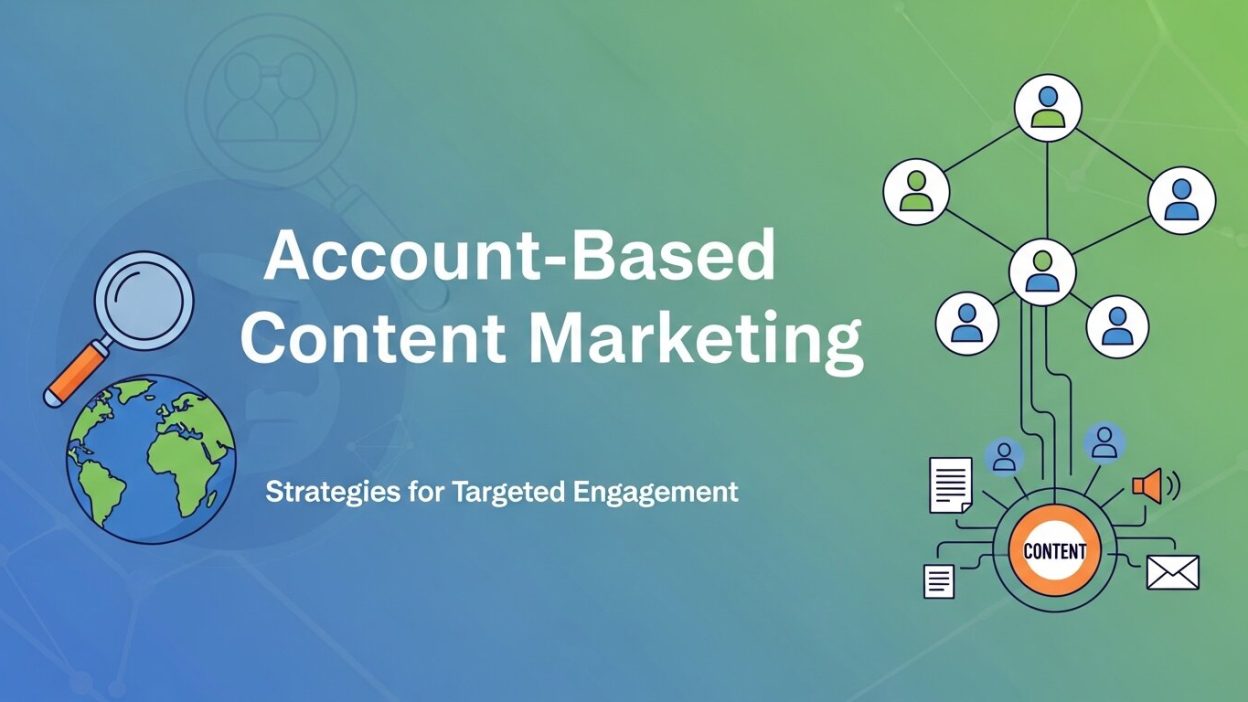
The future of how companies will communicate with their most important targets – Account-Based Content Marketing (ABCM). By leveraging account-based marketing (ABM) and content creation, this strategy makes it easy for companies to reach their high-value accounts with laser-focused content that is personal, relevant, and ultra-specific to the needs and challenges of the account.
Regardless of whether you are a marketing lead or run a small business, it is critical that an understanding of ABCM can and should be leveraged to develop stronger client relationships and ROI.
Here, we’ll discuss what account-based content marketing is, why it’s important, and how to establish a powerful campaign from the ground up.
The Relevance of Account-Based Content Marketing
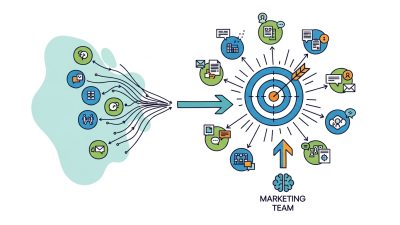
ABCM is based on personalization and precision. ABCM is the opposite of traditional content strategies that try to have mass appeal; it focuses on content that is going to be most relevant to a narrower audience , that matters the most to your business.
The move from quantity to quality yields several advantages:
- Increases Engagement: Very personalized content gets noticed, calling out pain points or objectives of the target account.
- Higher ROI: Investing on your high-value accounts and across your funnel means more bang for your buck.
- Unites Marketing and Sales: The version of ABCM promotes teamwork between your marketing and sales departments, facilitating communication during the buying process.
A report from ITSMA has found that 87% of B2B marketers believe that ABM (arguably ABCM) delivers a higher ROI than other marketing initiatives. This is a testament to the increasing value it plays in today’s marketing world.
Identifying Key Accounts
The first step in implementing an ABCM approach is to determine which accounts you wish to pursue. The course you take here will determine the very basis of your campaign.
How to Select the Right Accounts
- Data for Insights: Utilize your CRM and third-party analytics and customer data to pinpoint accounts that have a high likelihood of generating revenue, or becoming long term partners.
- Sales Team Collaboration: Partner with your sales team and decide which accounts have shown intent or match your ideal customer profile (ICP) measurement.
- Scoring & Prioritization: Score and prioritize your key accounts based on their fit, the size of the opportunity, relevance within their industry, and how well aligned they are with your product or service.
Key Tip: Spend your time with accounts where the prospects have challenges or initiatives that your company’s offerings are directly aligned with.
Designing Content That’s Targeted to the Account Level
After you’ve gotten a sense of what accounts are worth targeting, the next step is creating content designed specifically to speak to their needs. This personalized content is the “account-based” in account-based content marketing, and it’s how you grow your visibility in an overcrowded digital world.
How to Use These Techniques – Creating You-Are-There Content
- Know Their Pains: Weave all of your target account’s pain points using findings from an industry report, the company’s website, recent events they attended or public statements they made.
- Adapt Your Content to Differing Formats: You have different decision-makers within the same organization to speak to, and not everyone prefers a video or blog post; some people like case studies, white papers or target those explainer videos for a very exact audience!
- Add A Personal Touch: Add personal touches to the content, like Caitlin does here by adding their account’s name, discussing their business goals or mentioning current challenges.
Examples of Custom Content
- Case Studies: Showcase the solutions and outcomes relevant to issues specific to your ideal customer’s industry.
- Persona-Based Videos: Brief videos demonstrating pain points and how your services can solve them can be an impactful and straightforward approach.
- Co-Branded Materials: Build branded slide decks or professional documents that reflect synergy.
Effectively Share Your Work
Just publishing great content is not enough. How you deploy it is just as serious to ensure it reaches the right people within your target accounts.
ABM Channels for Content Marketing to Accounts
- Email Marketing: Get your custom-made content into your customers’ inboxes with an integrated email marketing service. Create catchy subject lines and add a clear CTA.
- Social Platforms: Sites like LinkedIn are great places to distribute targeted content, get into meaningful conversations, or run niche sponsored campaigns.
- Direct Mail: Old-fashioned direct mail campaigns delivering customized, physical content can break through digital clutter and leave a lasting impression.
- Sales Enablement Tools: Equip your sales team with materials they can present at initial meetings or later on followings to keep your messaging in tune.
Key Tip: Concentrate on channels that your target market actually logs into and don’t be afraid to test a few combinations for maximum reach.
Assess Your Campaigns’ Success
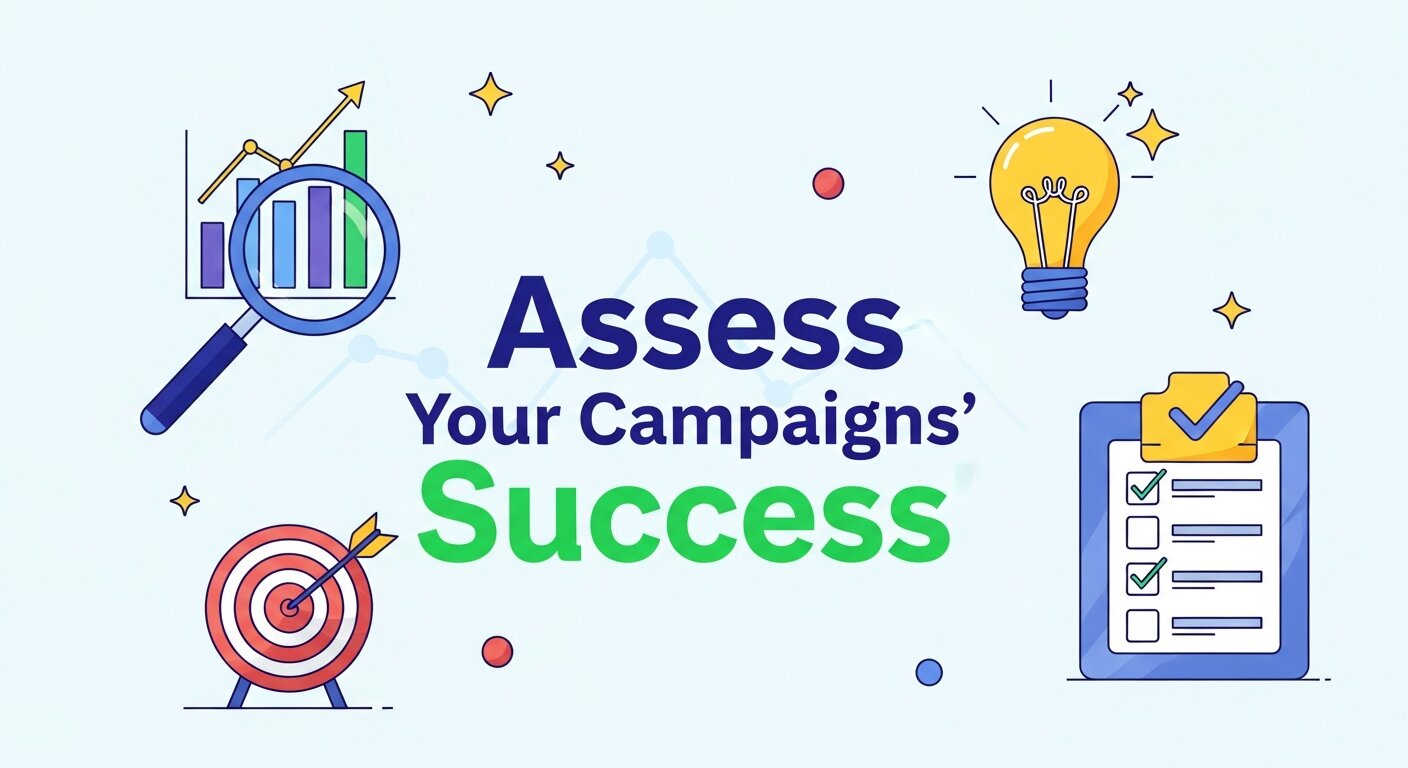
A campaign would not be a campaign without an evaluation. Monitoring these Key Performance Indicators (KPIs) not only demonstrates the worth of your ABCM exercise but also provides a focus for further breakthroughs.
Key Metrics to Monitor
- Engagement Metrics: Monitor open rates, click throughs and time spent on your content.
- Account-Specific Traffic: Monitor the amount of traffic your target accounts are directing to your website and landing pages.
- Accounts per Conversion: How many accounts have progressed down the funnel as a result of total campaign activity.
- Revenue Impact: Finally, you need to tie the revenues or LTV figures with your ABCM campaigns.
Instruments for Efficient Measurements
- CRM Systems: You can track account interactions and sales progress with platforms like Salesforce.
- Marketing Analytics Tools: Analyze how accounts are engaging with your content across digital platforms by leveraging tools such as Google Analytics or HubSpot.
Top Tip: Review and update your strategies often. If an aspect of your process just isn’t working, don’t hesitate to put it aside and try something else!
Data-Driven Decision Making in Modern ABCM
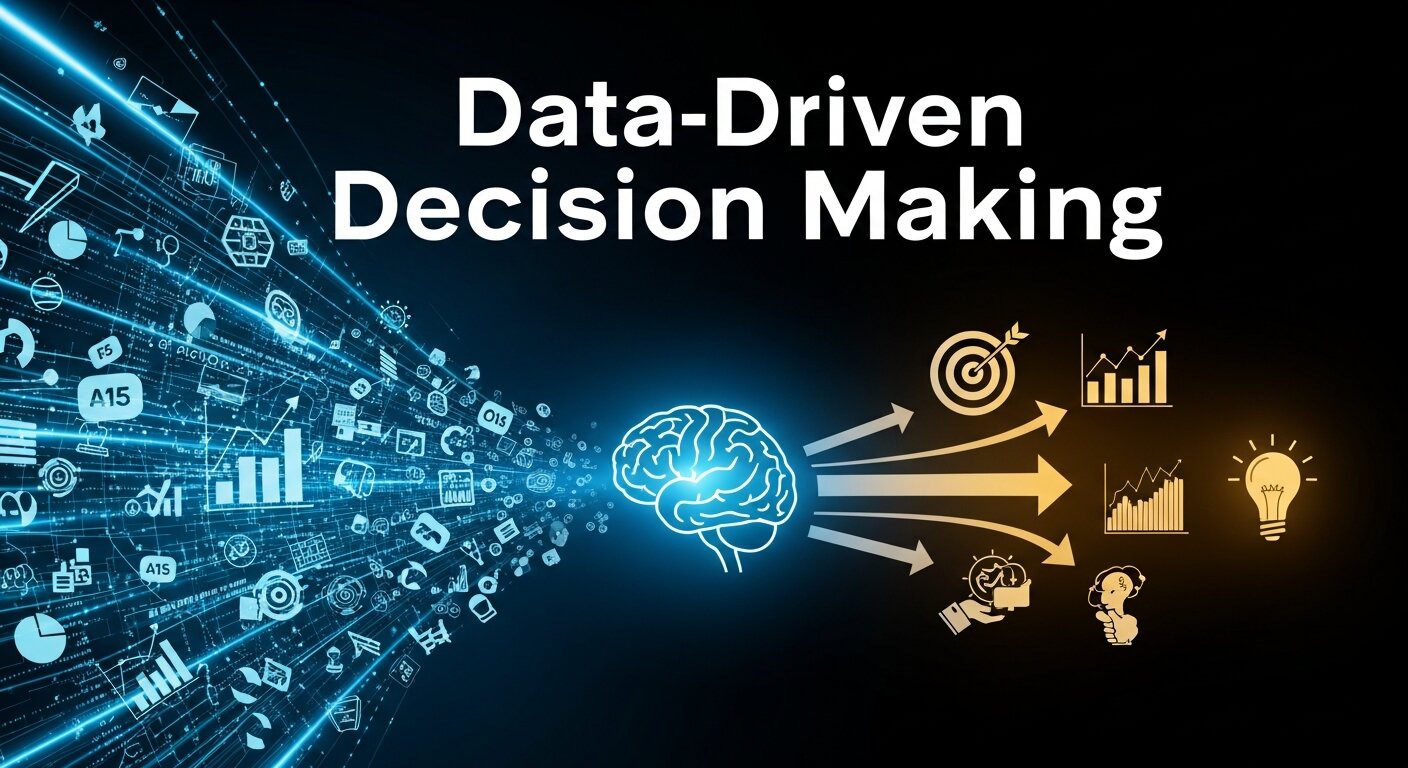
Account-based content marketing becomes significantly more effective when driven by data rather than assumptions. By analyzing intent signals, firmographic data, and behavioral patterns, businesses can anticipate what a target account needs before direct engagement even begins. This approach allows marketers to align messaging with buying readiness and business priorities. Predictive Account-Based Marketing helps teams identify which accounts are most likely to convert and what type of content will resonate with them. Instead of reacting to buyer actions, marketers can proactively deliver value at the right moment. This data-backed approach reduces wasted effort, improves personalization accuracy, and strengthens alignment between marketing and sales. Ultimately, decisions rooted in insights lead to higher efficiency and better long-term account relationships.
Aligning Content with the Buyer’s Journey
Not every account is ready to make a purchase at the same time, which is why content must align with different stages of the buyer’s journey. Early-stage accounts may need educational resources, while decision-ready stakeholders expect proof, validation, and ROI-driven messaging. A strong Account Based Marketing Content Strategy ensures that content is mapped carefully to awareness, consideration, and decision stages for each account. This alignment prevents content fatigue and builds trust gradually. When stakeholders receive the right information at the right time, engagement feels natural rather than forced. Structured journey-based content also helps sales teams continue conversations smoothly, reinforcing consistency across all touchpoints.
Leveraging Social Signals for Account Engagement
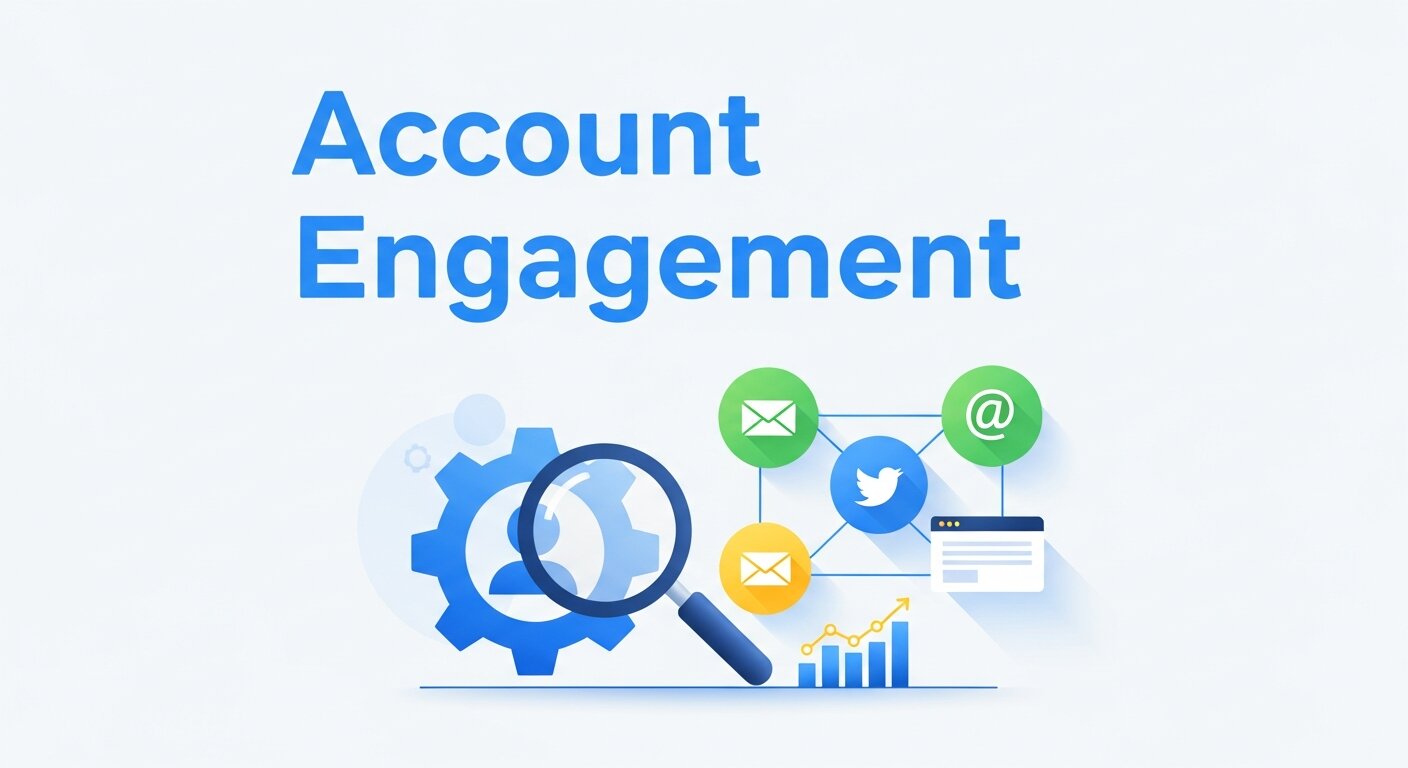
Social platforms provide powerful insights into account behavior, interests, and priorities. Monitoring engagement patterns, job changes, shared content, and conversations allows marketers to refine messaging and timing. LinkedIn Account Based Marketing plays a crucial role here, especially in B2B environments where decision-makers are highly active. By engaging with account-specific content, commenting thoughtfully, or sharing tailored resources, brands can build visibility before direct outreach begins. Social engagement warms up accounts and increases familiarity, making later interactions more effective. When used strategically, social channels transform ABCM from a one-way communication method into a relationship-building engine rooted in relevance and trust.
Internal Alignment as a Growth Multiplier
Successful ABCM campaigns rely heavily on internal collaboration. When marketing, sales, and customer success teams operate in silos, messaging becomes inconsistent and opportunities are lost. Clear alignment ensures that everyone understands account priorities, content objectives, and success metrics. Marketing creates tailored assets, sales delivers them contextually, and customer success reinforces value post-conversion. Regular communication and shared dashboards help teams stay synchronized. This alignment shortens sales cycles, improves buyer experience, and increases win rates. ABCM thrives in environments where teams view accounts as long-term partnerships rather than short-term transactions, supported by unified goals and messaging.
Content Governance and Quality Control
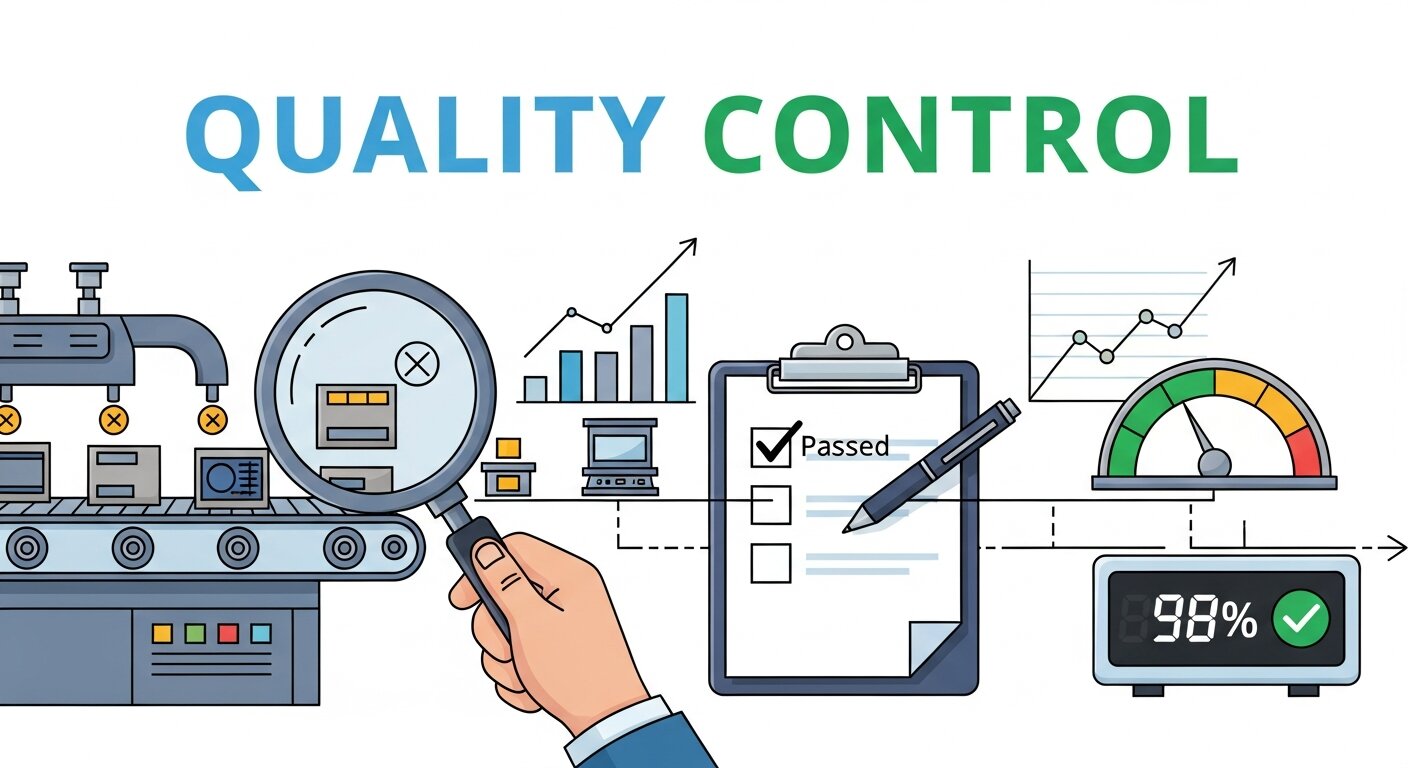
As personalization increases, so does the risk of inconsistency or off-brand messaging. Establishing content governance ensures that all account-specific assets maintain quality, tone, and compliance standards. This includes approved templates, messaging frameworks, and review processes. Governance does not limit creativity—it protects brand integrity while allowing flexibility. Clear guidelines help teams scale personalization without sacrificing accuracy or professionalism. For regulated industries, especially, content oversight is critical. Strong governance ensures that personalized content remains trustworthy, relevant, and aligned with both brand values and account expectations, reinforcing credibility across every interaction.
Building Long-Term Value Through ABCM
The true power of account-based content marketing lies in its long-term impact. Rather than focusing solely on immediate conversions, ABCM nurtures relationships that grow stronger over time. Personalized content demonstrates understanding, consistency builds trust, and ongoing engagement reinforces loyalty. As accounts evolve, content strategies adapt to new challenges and opportunities. This long-term mindset positions brands as strategic partners rather than vendors. Over time, this leads to higher lifetime value, repeat business, and advocacy. ABCM is not a campaign—it’s a continuous relationship-building framework designed to deliver sustained business growth.
The Future of Account-Based Content Marketing
Account-Based Content Marketing is a complete inversion of the B2B marketing approach from the businesses’ perspective. Its individualized and targeted methodology results in unparalleled audience experience and long-term client partnership.
Going forward, advances in AI, particularly machine learning, are likely to continue to improve the accessibility and effectiveness of ABCM for businesses of all sizes.
By automating this content personalization and distribution process, marketers can scale their activity without having to lose the precision.
Conclusion
But don’t let the future start running away from you! Begin using ABCM now to gain a competitive advantage and to generate impactful marketing results.
Whether you’re new to ABCM or still refining your approach, think of the time to act as now. Take these principles and apply them to really open up meaningful engagements with your target accounts, impact measurable business outcomes, and chart a long-term, sustainable path to success.
Frequently Asked Questions (FAQ)
What is the difference between ABM and Account-Based Content Marketing (ABCM)?
ABM is a broader strategy focused on targeting high-value accounts using coordinated marketing and sales efforts. ABCM is a specialized subset of ABM that focuses specifically on creating and delivering personalized content tailored to individual accounts. In short, ABM defines who you target, while ABCM defines what content you use to engage them.
Is Account-Based Content Marketing only for large enterprises?
No. While ABCM is commonly used by large B2B organizations, small and mid-sized businesses can also benefit from it. The key is focusing on fewer, high-impact accounts rather than mass audiences. With the right tools and clear account selection, even small teams can run effective ABCM campaigns.
How long does it take to see results from ABCM?
ABCM is a long-term strategy rather than a quick win. Some engagement metrics—like content interaction and meeting requests—can appear within weeks. However, measurable revenue impact often takes several months, as ABCM aligns closely with longer B2B sales cycles.
What types of content work best for ABCM?
Highly personalized and value-driven content performs best. This includes custom case studies, industry-specific white papers, personalized videos, tailored landing pages, and account-specific email campaigns. The more relevant the content is to the account’s challenges and goals, the stronger the engagement.
How many accounts should be included in an ABCM campaign?
There is no fixed number. Some companies focus on 5–10 strategic accounts, while others manage 50 or more. The ideal number depends on your resources, sales capacity, and campaign goals. It’s better to start small and scale once processes are proven.
How do sales and marketing teams collaborate in ABCM?
Sales and marketing work as a single unit in ABCM. Marketing creates tailored content and engagement strategies, while sales provides account insights and uses the content during conversations. Regular alignment meetings and shared KPIs are critical for success.
What tools are required to run an ABCM strategy?
Common tools include a CRM (like Salesforce), marketing automation platforms (such as HubSpot), analytics tools, and content personalization software. These tools help manage accounts, track engagement, and measure performance effectively.
How is success measured in Account-Based Content Marketing?
Success is measured using account-level metrics rather than volume metrics. These include engagement from target accounts, pipeline growth, deal velocity, conversion rates, and revenue influenced by ABCM efforts.