
In today’s digital landscape, account-based marketing has evolved beyond broad outreach tactics to embrace highly focused, personalized strategies. Central to this transformation is zero-party data—information that prospects consciously volunteer to share. Unlike implicit or third-party data, zero-party data originates directly from the audience, making it both consent-driven and remarkably accurate. Marketers who harness these voluntary insights can craft tailored experiences that resonate with key decision-makers, resulting in higher engagement, accelerated pipeline velocity, and more meaningful customer relationships.
As competition intensifies, brands must stand out by delivering content and offers that reflect each account’s unique priorities. This year (2026), savvy B2B teams integrate zero-party data into every stage of their ABM programs, from initial research to deal closing. By understanding what prospects value—whether it’s preferred content formats, specific pain points, or buying timeframes—organizations can shift from generic messaging to hyper-personalized campaigns that drive results.
In this comprehensive guide, you will discover five essential pillars for leveraging zero-party data in your ABM strategy. We’ll begin with a clear definition of zero-party data and why it has become indispensable. Next, we’ll explore proven tactics for gathering these voluntary insights. Then, you’ll learn how to integrate the data into your martech stack, design one-to-one campaigns, and measure success through meaningful KPIs. By the end, you’ll have a step-by-step blueprint to transform raw preferences into tailored experiences that convert high-value accounts into loyal customers.
What Is Zero-Party Data and Why It Matters in ABM
Zero-party data refers to the information that a prospect intentionally shares with your brand. This can include declared preferences, stated purchase intentions, and feedback about their specific challenges. Because this data is provided directly, it bypasses many of the privacy and accuracy concerns associated with third-party tracking technologies. In today’s privacy-centric environment—where regulations such as GDPR and CCPA shape how data is collected—zero-party data offers a transparent, compliant approach to personalization.
From detailed preference centers on your website to interactive quizzes and surveys, zero-party data empowers marketers to gain deep insights into each account’s unique requirements. For example, a CFO in the manufacturing sector may share that they are looking for cost-optimization strategies, while a CIO at a financial services firm might indicate an interest in cybersecurity assessments. These explicit cues allow you to map content assets, outreach channels, and recommended solutions directly to an individual’s needs.
Why does this matter for ABM? Traditional marketing often relies on broad personas and demographic segments, which can overlook the nuanced needs of high-value targets. By contrast, zero-party data enables a granular approach: every email subject line, ad creative, and landing page can reference a prospect’s self-declared interests. As a result, campaigns achieve higher open and click-through rates, shorten sales cycles, and boost deal sizes. Research by the Pew Research Center underscores that consumers are more willing to share data when they receive clear value in return, highlighting the importance of offering real insights or tailored recommendations at the point of collection.
Why does this matter for ABM? Traditional marketing often relies on broad personas, but zero-party data enables a granular, personalized approach. Campaigns become more relevant, improving engagement and conversion rates—one of the key advantages highlighted in account-based marketing for B2B success.
Collecting Zero-Party Data: Strategies and Tactics
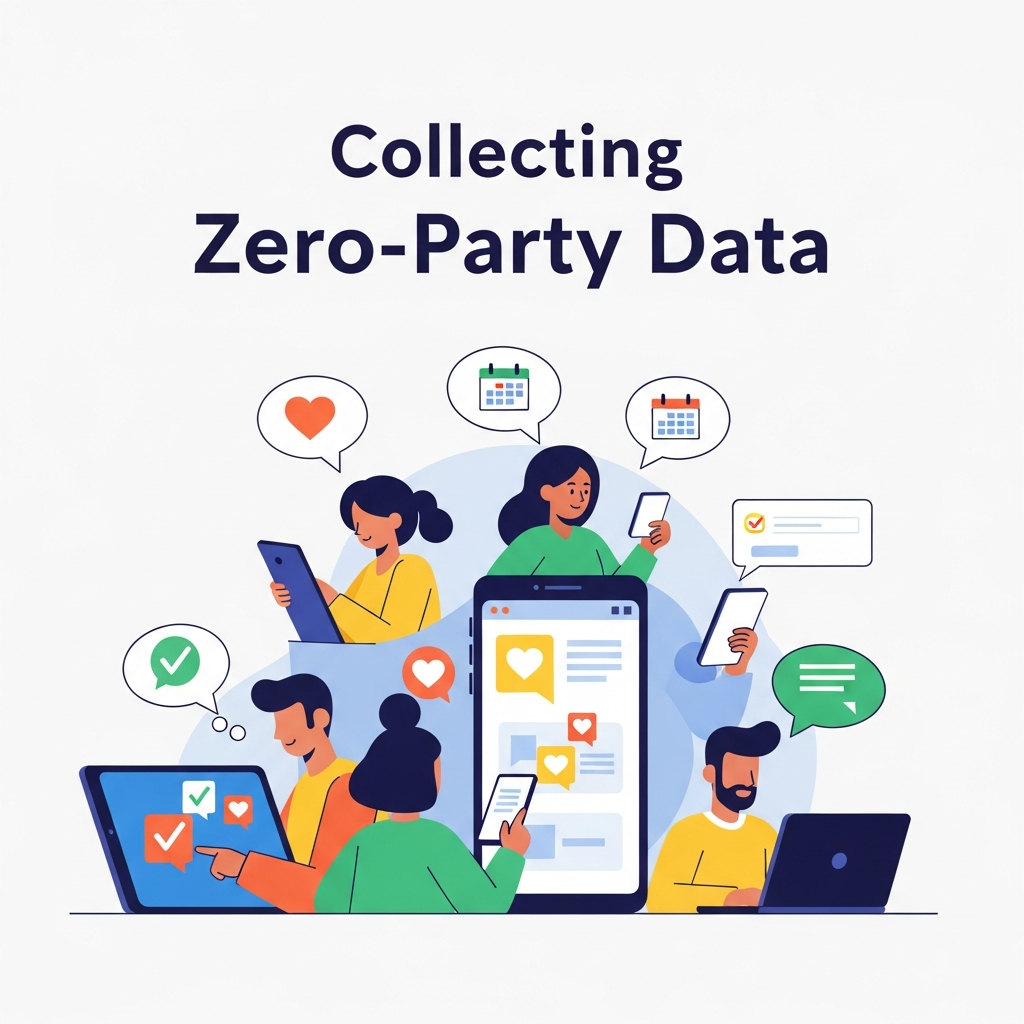
Capturing zero-party data requires thoughtful design and a genuine value exchange. Below are proven strategies that drive voluntary participation and yield actionable insights:
1. Preference Centers
Create a centralized hub where visitors can select their interests. Offer checkboxes or toggle options for preferred content types (e.g., eBooks, webinars, case studies), communication frequency, and industry topics. Clearly explain how sharing this information will enhance their experience—whether it’s receiving custom benchmarks or early access to research papers.
2. Interactive Assessments
Design quizzes or assessments that help prospects evaluate their readiness. Provide personalized reports to deliver value while capturing intent and preferences—an approach often used in advanced account-based marketing services.
3. Gated Tools and Calculators
Offer ROI calculators, total cost of ownership (TCO) estimators, or resource planners that require minimal form fields. By delivering immediate, quantifiable value—such as projected cost savings—prospects are incentivized to share accurate budget and scope information. Ensure forms clearly state how data will be used and stored, reinforcing trust.
4. Surveys and Instant Polls
Embed brief, targeted surveys in email campaigns or on-site overlays. Limit questions to three or four items to reduce friction. Ask about project timelines, key business challenges, or feature preferences. Use A/B testing to refine question wording and placement for maximum completion rates.
5. Conversational Chatbots
Deploy chatbots with guided flows that qualify leads and capture preferences. Through natural-language questions—such as “Which topic would you like to explore first?”—you can gather zero-party inputs directly into your CRM. Integrating with platforms like Drift or Intercom ensures that each chat response is tagged and made available for dynamic personalization.
To maximize participation, always emphasize the tangible benefits of data sharing. Whether you promise a custom benchmarking report, a tailored product demonstration, or exclusive industry insights, the perceived value must outweigh the effort required to participate.
Integrating Zero-Party Data into Your ABM Platform
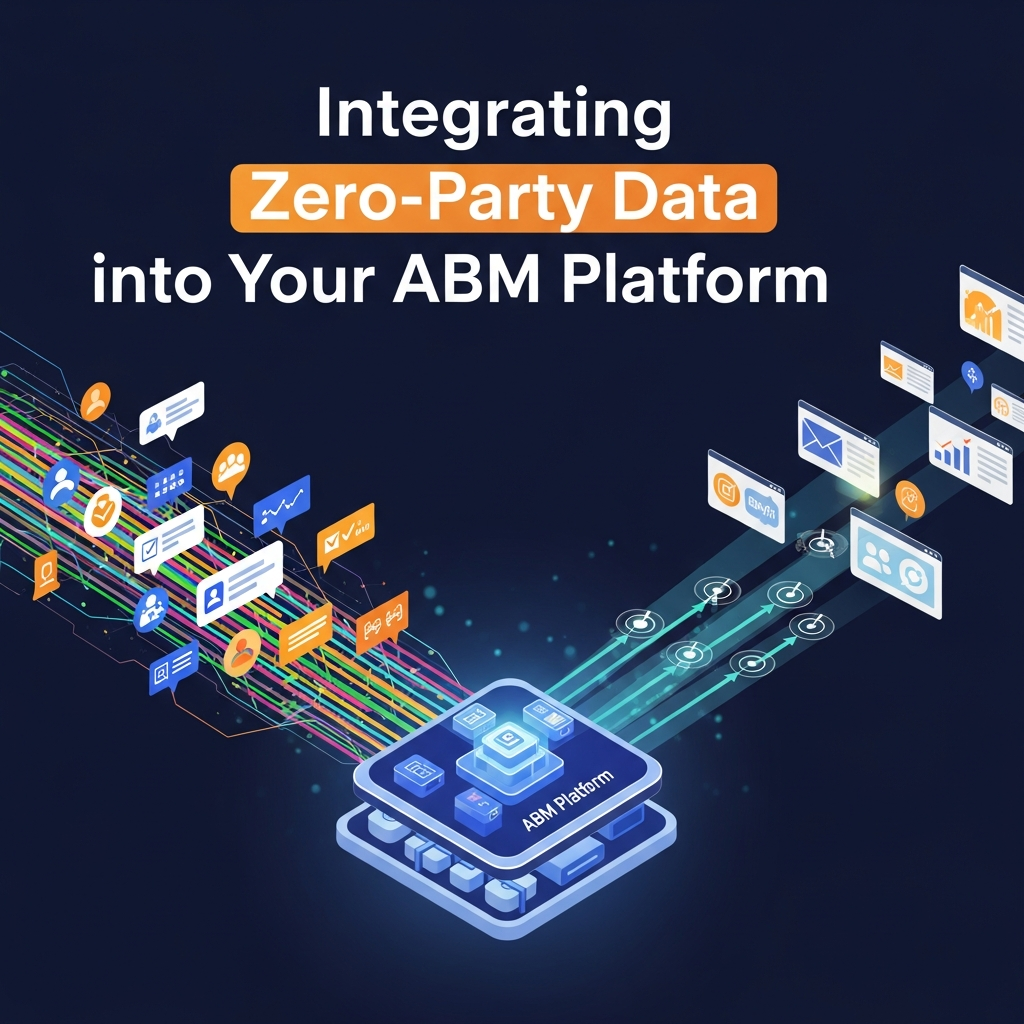
Once collected, zero-party data must be seamlessly integrated into your marketing and sales systems. A well-orchestrated data flow turns raw preferences into fueling signals for personalization and automation.
Unify Your Data Sources
Connect preference centers, survey platforms, and chatbot transcripts via APIs or integration platforms as a service (iPaaS). Solutions like Zapier or MuleSoft can consolidate inputs into a central data repository. This ensures that every zero-party data point is captured in real time.
Enrich CRM and Account Profiles
Map incoming data to existing account and contact records within your CRM. Use descriptive tags for attributes such as “desired ROI threshold,” “preferred content format,” or “purchase timeframe.” This granular tagging allows sales and marketing to view a unified profile that reflects each account’s self-declared preferences.
Define Dynamic Segments
Segment audiences based on declared preferences and behaviors. This approach supports highly targeted campaigns and aligns with best practices in advanced account-based marketing.
Automate Triggered Workflows
Set up automated journeys that activate when specific preferences are updated. If a prospect revises their interest to include cybersecurity services, automatically dispatch a related white paper and invite them to a targeted webinar. Triggered workflows reduce manual effort and ensure timely, relevant outreach.
Leverage Personalization Engines
Integrate with personalization platforms to dynamically alter website content based on zero-party data. Tools like Optimizely or Adobe Target can swap hero images, case studies, or call-to-action buttons to match each account’s declared interests, creating a cohesive, one-to-one digital experience.
By centralizing and operationalizing zero-party data, organizations align marketing and sales around a single source of truth, enabling truly personalized engagement that drives superior outcomes.
Crafting Hyper-Personalized ABM Campaigns
With zero-party data integrated, you can design campaigns that mirror each account’s unique needs and preferences. Below are key tactics to elevate your ABM efforts:
Customized Content Tracks
Create multi-step journeys based on declared interests. If a prospect selects video demos as their preferred format and cybersecurity as a focus area, map a sequence that delivers a short product clip followed by a case study in PDF format. This ensures you meet them on their terms.
Dynamic Advertising
Feed zero-party segments into your ad platform to deliver one-to-one ads. Craft headlines that reference the account’s industry or pain point. For instance, “Optimize Manufacturing Costs? See How X Company Saved 25%.” This level of specificity drives higher click-through rates and improves ad relevance scores.
Personalized Landing Pages
Generate microsites for top-tier accounts, pre-populating forms and content based on shared preferences. A logistics prospect might land on a page featuring an industry-specific ROI calculator and a white paper on supply chain agility. Personalization reduces friction and strengthens the impression of a bespoke experience.
Sales Enablement Kits
Equip account teams with real-time dashboards that surface zero-party insights. Provide email templates and call scripts that incorporate stated challenges and desired outcomes. When sales touches are informed by explicit preferences, conversations become more meaningful, shortening deal cycles.These strategies reflect the evolving shift away from traditional approaches, as discussed in ABM vs traditional marketing.
Interactive Live Events
Host virtual workshops or roundtables tailored to specific segments. Invite prospects who have expressed interest in digital transformation to a focused session led by your subject-matter experts. By aligning topics with zero-party data, attendance and participation rates tend to be significantly higher.
Investing in hyper-personalized ABM campaigns not only differentiates your brand—it also demonstrates respect for prospects’ time and priorities. Every touchpoint that reflects a customer’s own words builds trust and fosters stronger relationships.
Measuring Success and Continuous Optimization
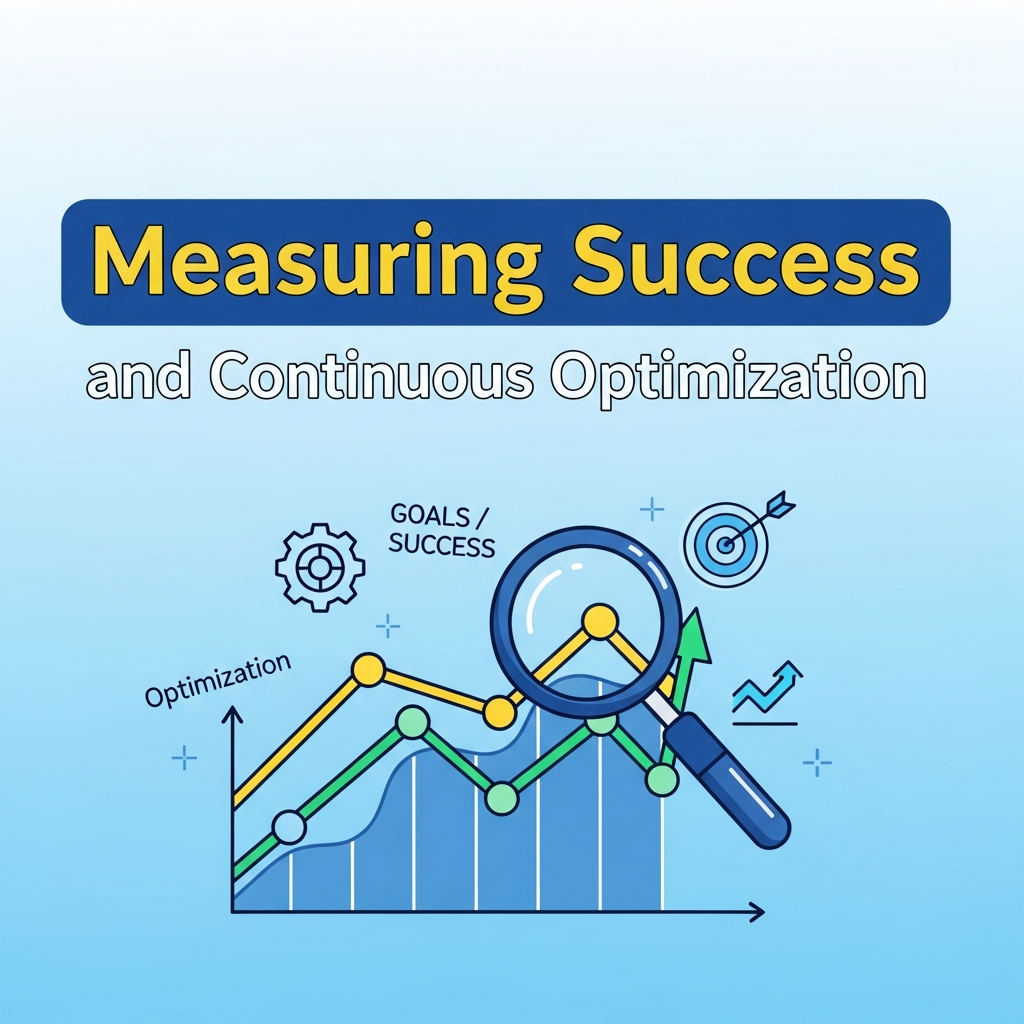
To prove ROI and enhance your approach, track metrics that connect zero-party data initiatives to business outcomes. The following KPIs are essential:
Engagement Performance
Compare open, click-through, and video view rates for personalized assets against generic benchmarks. Higher engagement signals that your zero-party-driven messaging resonates.
Pipeline Velocity
Measure the time taken for accounts to progress from initial data submission to sales-qualified stage. Accelerated velocity indicates that tailored campaigns are effectively advancing deals.
Average Deal Size Lift
Analyze contract values for accounts that received zero-party-driven outreach versus a control group. A positive lift demonstrates how personalized experiences impact revenue.
Data Enrichment Rate
Track the percentage of targeted accounts providing zero-party data over time. Increasing rates reflect improvements in value propositions and data capture flows.
Customer Retention and Expansion
Monitor churn and upsell rates post-close for accounts that engaged with personalized experiences. Strong retention underscores the long-term value of zero-party personalization.
Continuous optimization relies on A/B testing messaging variants, adjusting preference prompts, and iteratively refining your workflows. Regularly review performance data and solicit feedback from sales teams to ensure alignment and uncover new personalization opportunities.
Conclusion
In today’s competitive B2B environment, zero-party data offers a transparent, consent-based path to hyper-personalized ABM. By thoughtfully collecting voluntary insights, integrating them into your marketing automation and CRM systems, and designing one-to-one campaigns, you can engage high-value accounts with unmatched relevance. This year (2026), leading organizations leverage zero-party data to accelerate pipeline velocity, increase deal sizes, and foster stronger customer relationships.
Getting started is straightforward: launch a simple preference center or interactive quiz to begin gathering first-party inputs. From there, centralize the data, segment dynamically, and automate personalized experiences that reflect each prospect’s self-declared needs. With ongoing measurement and optimization, zero-party data will become the cornerstone of your ABM success—transforming outreach into genuine dialogue and turning prospects into loyal customers.
Ready to elevate your ABM strategy? Begin mapping your zero-party data sources today, and experience the impact of tailored engagement in today’s digital landscape.
Frequently Asked Questions
1. What is zero-party data in ABM?
Zero-party data is information that prospects willingly share, such as preferences, goals, and challenges. In account-based marketing, this data enables highly personalized campaigns, ensuring messaging aligns with each account’s needs and improving engagement, trust, and overall marketing effectiveness.
2. How is zero-party data different from first-party data?
Zero-party data is explicitly provided by users, while first-party data is collected through behaviors like website visits or purchases. Because it comes directly from the source, zero-party data is more accurate, making it especially valuable for personalization in ABM strategies.
3. Why is zero-party data important for ABM?
It allows marketers to create highly targeted campaigns based on real user input. This improves relevance, increases engagement, shortens sales cycles, and helps build stronger relationships with high-value accounts by delivering content and offers aligned with their exact needs.
4. What are the best ways to collect zero-party data?
Effective methods include preference centers, quizzes, surveys, chatbots, and gated tools like calculators. These approaches encourage users to share insights voluntarily by offering value, such as personalized recommendations or useful reports tailored to their interests.
5. How can I ensure compliance when collecting zero-party data?
Be transparent about data usage, provide clear consent options, and follow regulations like GDPR and CCPA. Offering value in exchange—such as exclusive insights or personalized content—helps build trust and encourages users to share accurate information willingly.
6. How does zero-party data improve personalization?
It provides direct insights into user preferences and intentions, allowing marketers to tailor content, messaging, and offers. This ensures every interaction feels relevant, increasing engagement and making prospects more likely to respond positively to marketing efforts.
7. What tools help manage zero-party data?
CRM systems, marketing automation platforms, and personalization tools help capture, store, and activate zero-party data. Integrations between these systems ensure data flows seamlessly, enabling real-time personalization and more effective account-based marketing campaigns.
8. Can zero-party data improve sales performance?
Yes, it equips sales teams with clear insights into prospect needs and priorities. This leads to more meaningful conversations, better-qualified leads, and faster deal closures, ultimately increasing conversion rates and overall revenue performance.
9. How often should I update zero-party data?
Update preferences periodically, such as during quarterly reviews or after major interactions. Avoid frequent requests to prevent fatigue, but remind users of the benefits of keeping their information current to maintain accuracy and relevance in your campaigns.
10. What metrics should I track for zero-party data success?
Track engagement rates, conversion rates, pipeline velocity, and deal size. Monitoring how personalized campaigns perform compared to generic ones helps you understand the impact of zero-party data and optimize your strategy for better results over time.