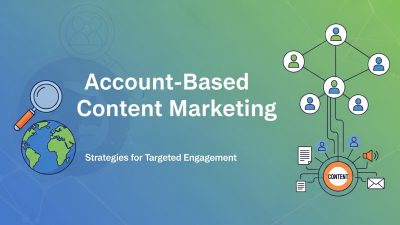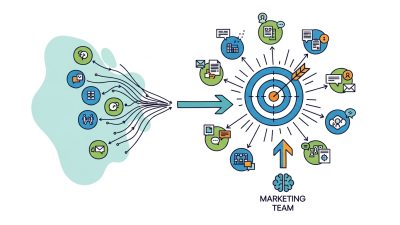

ABM in Healthcare is a targeted marketing strategy that focuses on high-value accounts, personalizes messaging, and drives meaningful engagement. By aligning marketing and sales and leveraging data-driven insights, organizations can achieve higher ROI, faster decision-making, and measurable growth. Implementing ABM transforms generic outreach into impactful, account-focused campaigns.
The healthcare industry is evolving faster than ever, driven by new technologies, changing regulations, and increasingly complex decision-making processes. Traditional marketing approaches often struggle to reach the right stakeholders, leaving high-value opportunities untapped. This is where ABM in Healthcare comes in—a precision-driven strategy that targets key accounts, delivers personalized campaigns, and aligns marketing and sales for measurable impact.
What’s Account-Based Marketing (ABM) for Healthcare?

ABM in Healthcare is a highly focused marketing and sales strategy that targets specific accounts rather than casting a wide net. Unlike traditional marketing methods, which prioritize quantity and broad reach, ABM emphasizes quality, personalization, and strategic targeting. This approach ensures that campaigns resonate with the right decision-makers, at the right time, with messaging tailored to their unique needs and challenges.
Healthcare is a complex and highly specialized industry. Audiences include hospital administrators, physicians, nurses, IT departments, insurance companies, and pharmaceutical organizations. Each of these stakeholders has unique priorities, pain points, and motivations. ABM in Healthcare allows marketers to craft campaigns that address these differences, ensuring that communications are relevant, actionable, and trusted.
By leveraging ABM in Healthcare, organizations can shift from a one-size-fits-all marketing approach to a precision-driven strategy. Instead of generic emails or broad campaigns, marketing becomes a tool for building relationships, demonstrating value, and solving specific problems for each target account. This targeted focus increases engagement, improves conversion rates, and ultimately drives measurable business growth.
Unraveling the Unique Challenges and Opportunities in Healthcare

Healthcare is one of the most regulated and complex industries in the world, presenting unique challenges—and significant opportunities—for marketers leveraging ABM in Healthcare. Traditional marketing tactics often fail in this highly specialized sector, as generic campaigns cannot address the nuanced needs of multiple stakeholders or navigate the strict regulatory environment. By contrast, ABM in Healthcare provides a targeted, personalized approach, enabling organizations to focus on high-value accounts, build trust, and drive meaningful results.
Difficulties in Healthcare Marketing
Regulatory Compliance
Healthcare marketing is heavily regulated, requiring adherence to strict standards that govern patient data, communications, and marketing practices. In the U.S., HIPAA mandates protection of patient health information, while GDPR in Europe imposes rigorous rules on personal data handling and consent. Generic email campaigns, cold outreach, or untargeted messaging can easily violate these regulations, leading to legal risks and reputational damage. ABM in Healthcare overcomes these challenges by allowing marketers to design campaigns that are fully compliant, while still delivering highly personalized and relevant content to decision-makers. For example, personalized emails, secure content portals, and consent-based outreach are all strategies that balance personalization with regulatory compliance.
Learn how to Align Sales and Marketing Teams for ABM Success to ensure compliance and coordinated outreach.
Influence of Complex Decision-Making Units (DMUs)
Healthcare decisions rarely involve a single person. Hospitals, clinics, and healthcare systems operate with complex decision-making units (DMUs) that include executives, procurement teams, clinicians, IT departments, and even external consultants. Each stakeholder has unique priorities, concerns, and KPIs. ABM in Healthcare strategies account for this by creating multi-touch campaigns that speak to the needs of each stakeholder. For example, CFOs may focus on cost-efficiency, physicians on patient outcomes, and IT directors on interoperability. Coordinated messaging across these groups ensures alignment, improves engagement, and increases the likelihood of successful conversions.
Discover how ABM vs Traditional Marketing: Key Differences and Why ABM Wins to understand why ABM works best in multi-stakeholder environments.
Evolving Buyer Personas
Healthcare is a dynamic industry where buyer personas are constantly evolving. Advances in medical technology, shifts in healthcare policy, and emerging operational challenges mean that decision-makers’ priorities can change rapidly. With traditional marketing, messages quickly become outdated and irrelevant. ABM in Healthcare allows marketers to remain agile, continuously updating campaigns to reflect new industry trends, emerging pain points, and updated priorities of target accounts. By staying responsive to these changes, organizations can maintain relevance and establish themselves as trusted advisors rather than just vendors.
The Rewards of ABM in Healthcare
One of the most significant benefits of ABM in Healthcare is the ability to deliver hyper-personalized campaigns that speak directly to the specific needs and challenges of individual stakeholders. Instead of broadcasting generic messaging, marketers can create targeted content that demonstrates deep understanding of the healthcare environment, builds trust, and fosters long-term relationships.
For example, a campaign targeting hospital CFOs could emphasize cost reductions and operational efficiencies from implementing digital health tools, while messaging directed at physicians could highlight workflow improvements or patient care enhancements. This nuanced approach positions your organization as a strategic partner capable of solving real problems rather than merely selling products or services.
Efficient Resource Allocation
Implementing ABM in Healthcare ensures that marketing resources are used efficiently. Rather than spreading time, effort, and budget across hundreds or thousands of potential leads, marketers can focus on high-value accounts with the highest potential ROI. For example, targeting a select group of regional hospital systems or specialty clinics allows marketing teams to create customized campaigns with richer content, more personal outreach, and a higher likelihood of engagement. This focus not only improves efficiency but also ensures that marketing investments generate measurable results.
Improved Collaboration
Successful ABM in Healthcare requires tight alignment between marketing and sales teams. Given the multi-stakeholder nature of healthcare purchasing decisions, marketing campaigns must support sales efforts with consistent messaging and timely follow-ups. Regular planning sessions, shared KPIs, and coordinated strategies ensure that both teams work in tandem. This collaboration improves the overall customer experience, reduces friction during the decision-making process, and accelerates the sales cycle for high-value accounts.
Identifying Key Accounts in the Healthcare Industry
A critical first step in ABM in Healthcare is selecting the right accounts. Not every hospital, clinic, or healthcare organization is an ideal target. The focus should be on accounts that:
- Are most likely to benefit from your solution
- Have significant budget and purchasing authority
- Align with long-term business objectives
- Present opportunities for measurable impact
Identifying key accounts involves careful research, data-driven insights, and collaboration with sales teams to ensure the focus is on high-value opportunities. By prioritizing these accounts, organizations can create highly personalized campaigns, improve engagement rates, and maximize ROI.
Strategies for Identifying Key Accounts
Segment by Specialty
Divide healthcare accounts by specialties such as orthopedic clinics, mental health providers, or regional hospital chains. Focusing on niche segments allows campaigns to be more relevant and ensures messaging resonates with decision-makers’ unique priorities.
Leverage Data Analytics
Use analytics to identify accounts that match your ideal customer profile (ICP). Consider factors such as hospital size, annual revenue, geographic location, technology adoption, and clinical focus. Data-driven insights allow marketing teams to prioritize high-value accounts for maximum impact.
Collaborate with Sales Teams
Sales teams have firsthand knowledge of which accounts are likely to generate the highest ROI. Collaborating with them helps marketers narrow down the target list strategically, ensuring campaigns are aligned with both marketing and sales objectives.
By carefully selecting accounts, ABM in Healthcare ensures marketing efforts are precise, efficient, and highly impactful. It transforms campaigns from generic outreach into personalized engagement that drives measurable results.
Writing Targeted and Meaningful Content for Medical Professionals

Healthcare decision-makers are busy, highly informed, and often skeptical of generic marketing content. ABM in Healthcare relies on creating targeted, relevant content that addresses specific pain points and delivers real value.
Effective Content Types Include:
- Whitepapers and E-books: Offer deep insights into challenges such as patient outcomes, regulatory compliance, and operational efficiency. For instance, a whitepaper on “Reducing Patient Wait Times with AI Scheduling Tools” can attract hospital operations leaders.
- Case Studies: Share success stories that demonstrate measurable benefits. A case study highlighting a hospital that reduced billing errors by 40% after implementing your solution adds credibility.
- Webinars and Live Demos: Engage decision-makers with interactive content tailored to their roles. For example, CFOs may attend a demo showing cost savings, while heads of IT may focus on system integration.
Tips for Creating Effective Content in ABM:
- Use healthcare-specific terminology to build credibility.
- Address pressing pain points like patient wait times, compliance reporting, or administrative inefficiencies.
- Include data-driven insights to support claims and show measurable impact.
Tracking the Success of ABM Campaigns in Healthcare
Measuring success in ABM is different from traditional marketing. Metrics like clicks or impressions are less meaningful than account-level engagement, pipeline influence, and revenue impact.
Key Metrics to Track:
- Account Engagement: Track engagement at the account level, such as webinar registrations, email opens, and content downloads.
- Pipeline Contribution: Measure how ABM campaigns impact opportunities in the sales funnel and influence decision-making.
- Revenue Impact: Compare revenue from targeted accounts against other marketing campaigns to evaluate ROI.
- Deal Velocity: ABM campaigns often accelerate decision-making since messaging is personalized and relevant to each stakeholder.
Regularly tracking these metrics ensures ABM in Healthcare campaigns are delivering value and provides insights for future strategies.
Successful ABM Strategies – Real-World Examples
Case 1: Targeted Outreach to Hospital Administrators
A medical device company implemented ABM by creating webinars for midsize hospital administrators that focused on cost reduction and improved patient care. The result: a 43% increase in qualified leads and a 20% shorter sales cycle.
Case 2: Bespoke Content for Pharma Companies
A SaaS provider used ABM to reach pharmaceutical companies with personalized e-books on optimizing clinical trials. Engagement increased by 27%, and multimillion-dollar deals were closed with two key accounts.
Advanced Strategies for ABM in Healthcare
Leveraging AI
AI can supercharge ABM campaigns by identifying high-value accounts, predicting behavior, and personalizing messaging at scale. AI tools enable real-time optimization of content, outreach, and engagement strategies.
Integrating Multichannel Marketing
ABM works best across multiple channels: email, social media, webinars, and direct outreach. Consistent messaging across platforms reinforces your campaign, increases touchpoints, and boosts engagement with key healthcare stakeholders.
Overcoming Organizational Resistance
Healthcare organizations often have complex decision-making processes. ABM campaigns that provide credible data, ROI projections, and involve multiple stakeholders are more likely to gain acceptance.
Behavioral Targeting and Personalization
ABM in Healthcare can go beyond names by tracking interactions such as webinar attendance, content downloads, and website behavior. This allows campaigns to deliver highly personalized messaging based on actual engagement.
Aligning Marketing with Patient Outcomes
Healthcare decision-makers prioritize solutions that improve patient care. ABM campaigns that tie messaging directly to operational efficiency, compliance, or better patient outcomes demonstrate tangible value and increase adoption.
Measuring Long-Term Impact
ABM is not just about immediate results. Long-term tracking of revenue growth, retention, adoption across departments, and ongoing engagement ensures campaigns deliver sustainable results and inform future strategy.
The Future of ABM in Healthcare

The future of ABM in Healthcare is bright. AI, automation, and advanced analytics will allow marketers to personalize campaigns at scale. Healthcare organizations increasingly value tailored experiences, making ABM essential for modern marketing success.
Organizations adopting ABM now can ensure:
- Higher ROI and measurable business impact
- Better alignment between sales and marketing
- Meaningful engagement with high-value healthcare accounts
By implementing ABM in Healthcare thoughtfully, marketers can create campaigns that are precise, impactful, and transformative for the healthcare industry.
Frequently Asked Questions
1. What is ABM in Healthcare?
ABM in Healthcare is a marketing and sales strategy that focuses on specific high-value accounts instead of broad campaigns, creating personalized messaging for each decision-maker.
2. Why is ABM important in the healthcare industry?
Healthcare decisions involve multiple stakeholders, strict regulations, and complex buyer personas. ABM ensures the right message reaches the right person at the right time, improving engagement and conversion.
3. How do you identify key accounts in healthcare?
Marketers can identify key accounts by segmenting healthcare providers by specialty, leveraging data analytics to match the ideal customer profile, and collaborating with sales teams for strategic targeting.
4. What types of content work best in ABM campaigns for healthcare?
Effective content includes whitepapers, e-books, case studies, webinars, and live demos. All content should address the account’s pain points, demonstrate value, and include data-driven insights.
5. How do you measure the success of ABM in Healthcare?
Success is measured through account engagement, pipeline contribution, revenue impact, and deal velocity rather than traditional vanity metrics like clicks or impressions.
6. Can AI improve ABM campaigns in healthcare?
Yes, AI helps identify high-value accounts, predict behavior, personalize messaging at scale, and optimize campaigns in real-time for maximum impact.
7. What are the long-term benefits of ABM in Healthcare?
Long-term benefits include stronger relationships with key accounts, sustainable revenue growth, higher ROI, improved collaboration between sales and marketing, and enhanced patient outcomes through targeted solutions.