
Marketing and sales alignment is no longer optional in account-based marketing (ABM)—it’s essential. For ABM campaigns to succeed, these two teams must not only coexist but also operate in perfect harmony.
This blog aims to unpack why sales and marketing alignment is critical for ABM, highlight practical strategies your teams can adopt, and offer insights into overcoming some of the common obstacles. Whether you’re a Marketing Manager, a Sales Director, or an ABM strategist, you’ll walk away with actionable tips to drive better collaboration and, ultimately, greater success in your campaigns.
Understanding Account-Based Marketing (ABM)
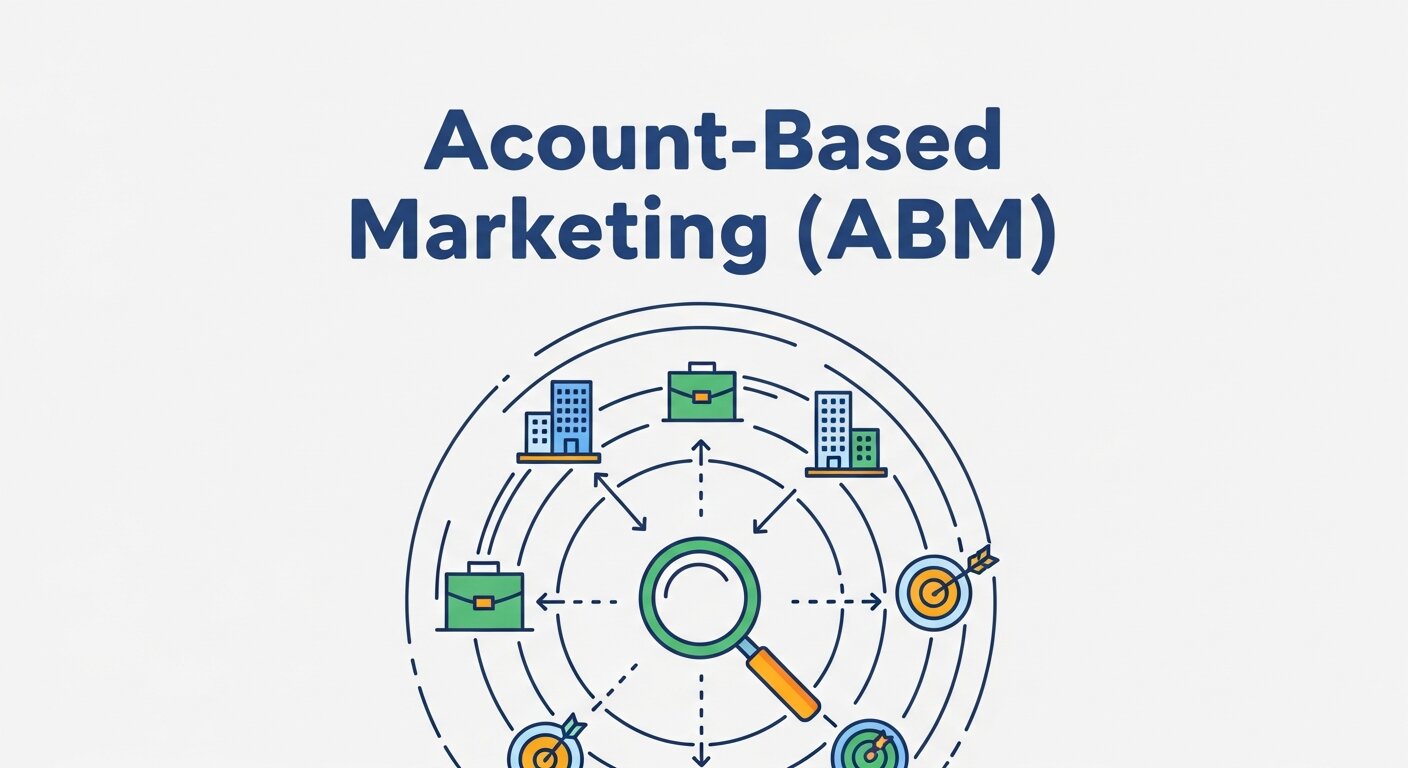
Before we can explain the importance of alignment, it’s crucial to revisit what ABM is all about. Account-Based Marketing is a highly focused strategy where sales and marketing tailor efforts to target specific high-value accounts rather than casting a wide net across multiple prospects.
Instead of working with generalized messaging, ABM involves personalized campaigns aimed at individual businesses or decision-makers. It’s a collaborative approach that demands synergy between sales and marketing to thrive.
Why Does ABM Require Alignment?
Consider ABM as a shared goalpost for sales and marketing. Each team has distinct strengths, but without collaboration, their efforts risk becoming redundant or even counterproductive. ABM bridges this gap by requiring joint strategies, shared data analysis, and a unified message to resonate effectively with target accounts.
The Traditional Sales and Marketing Divide
It’s no secret that sales and marketing often work in silos. Marketing tends to focus on generating leads, while sales aims to close deals. Although they share the same objectives, their different approaches and metrics can lead to friction.
Common issues that arise from this divide include:
- Misaligned Objectives: Marketing focuses on leads generated, while sales prioritizes revenue or closed deals.
- Data Discrepancies: Teams often use separate tools, resulting in a lack of shared insight.
- Communication Gaps: Lack of regular interaction causes misunderstandings of customer needs or campaign priorities.
For ABM strategies to succeed, these divides must be eradicated.
Benefits of Aligning Sales and Marketing for ABM
When sales and marketing teams collaborate effectively, businesses can unlock a host of benefits that directly impact ABM campaigns:
1. Personalized Customer Engagement
Aligned teams have a comprehensive view of the customer. Marketing insights can inform sales conversations, allowing for a consistent and tailored customer experience.
2. Higher Conversion Rates
When sales and marketing create and execute campaigns together, the targeted approach of ABM brings in leads that are not only high-quality but also pre-qualified for conversion.
3. Improved ROI
Misaligned teams often waste resources chasing unqualified leads. A unified approach ensures every effort is optimized for the greatest possible return on investment.
4. Enhanced Team Morale
Alignment fosters mutual respect and collaboration, contributing to a positive work environment where success is a shared priority across departments.
Strategies for Aligning Sales and Marketing Teams
Achieving alignment takes effort, but with the right strategies, it’s entirely possible. Here are some steps you can take to break silos and drive alignment:
1. Establish Shared Goals
Begin by ensuring both teams understand and agree on the same KPIs for success. Bring sales and marketing leadership together to define shared goals that matter to your ABM campaigns, such as target account engagement or pipeline acceleration.
2. Implement a Service-Level Agreement (SLA)
A service-level agreement between the teams can clarify roles and responsibilities. For example, marketing is responsible for creating personalized campaigns for target accounts, while sales must follow a specific timeline to act on these leads.
3. Host Regular Alignment Meetings
Encourage cross-departmental meetings where marketing can share campaign performance and sales can provide feedback on lead quality. These interactions ensure both teams remain aligned on what’s working and what needs improvement.
4. Create Joint Content Plans
Sales and marketing teams should collaborate to create content tailored to target accounts. From whitepapers and case studies to email templates, unified messaging boosts credibility and engagement.
5. Focus on Account Intelligence
Invest time into gathering meaningful insights about target accounts. Sales can provide firsthand customer anecdotes, while marketing provides broader data-driven insights.
Tools and Technologies to Facilitate Alignment
Leveraging the right tools ensures seamless collaboration and real-time insight sharing between teams. Below are some of the best tools for strengthening sales and marketing alignment in ABM strategies:
1. Customer Relationship Management (CRM) Tools
Platforms like Salesforce or HubSpot CRM are essential for maintaining shared data on target accounts. Both teams can easily track customer interactions and progress in the sales funnel.
2. Marketing Automation Software
Tools like Marketo Engage or Pardot help marketing teams deploy targeted campaigns while simultaneously feeding insights back to the sales teams.
3. Data Analytics Platforms
Data platforms such as Tableau or Google Analytics empower both departments with actionable insights. Metrics like engagement rates or bounce rates can inform improvements in both marketing strategies and sales outreach.
4. Collaboration Tools
Shared platforms such as Slack or Microsoft Teams ensure clear communication between sales and marketing, minimizing misunderstandings and delays.
Measuring the Success of Sales and Marketing Alignment in ABM
How do you know if your alignment efforts are paying off? Measuring success requires tracking key metrics that span both teams:
- Target Account Conversion Rates: Are more accounts progressing down the pipeline since the alignment?
- Growth in Revenue from Target Accounts: Has there been a measurable ROI improvement?
- Engagement Rates: Are personalized campaigns leading to better engagement with target accounts?
- Sales Cycle Duration: Has the time to close deals been reduced?
Review these metrics regularly as part of your alignment meetings to ensure efforts are on track.
Case Studies: Successful Sales and Marketing Alignment in ABM
A look into real-world examples can provide inspiration. Consider these two scenarios:
Case 1: TechCorp Boosts Conversions by 40%
TechCorp implemented ABM by bringing its sales and marketing teams into one shared workspace that leveraged predictive analytics. By working together to execute personalized campaigns for target accounts, they achieved a 40% increase in conversions within six months.
Case 2: XYZ SaaS Shortens the Sales Cycle
By integrating a CRM platform with their marketing automation tool, XYZ SaaS enabled seamless information sharing. Their marketing team produced tailored campaigns, yielding more qualified leads for the sales team. This collaboration shortened the sales cycle by 20%.
Overcoming Challenges in Aligning Sales and Marketing Teams
Alignment is not without its challenges. Common roadblocks include resistance to change, unclear budgets, and legacy systems. Here’s how to address these issues:
- Cultural Resistance: Foster a culture of collaboration by introducing team-building exercises or shared incentives.
- Budget Constraints: Focus on affordable or existing tools that can be optimized for alignment.
- Tech Stacks: Consolidate tools to reduce data silos and improve visibility across departments.
Leveraging Buying Signals to Target the Right Accounts
Modern ABM strategies go beyond firmographics and static data. Today’s high-performing teams actively monitor behavioral triggers and digital footprints to identify accounts that are actively researching solutions. By leveraging Intent Data for Proactive Account-Based Marketing, organizations can detect early buying signals and engage prospects before competitors even realize there’s an opportunity. This approach allows both sales and marketing to prioritize outreach based on real-time interest rather than assumptions. When teams align around these insights, conversations become more relevant and timely. Instead of cold outreach, sales representatives can initiate discussions that directly address current challenges, significantly increasing response rates and accelerating pipeline momentum.
Creating Consistent Messaging Across the Buyer Journey
Consistency is critical when multiple stakeholders are involved in a purchasing decision. In ABM, mixed messaging between departments can quickly erode trust. That’s why collaboration in developing Personalized Content for Account-Based Marketing is essential. Marketing teams can craft tailored assets based on account research, while sales provides practical insights gathered from direct conversations. This ensures every touchpoint—emails, presentations, ads, or meetings—feels cohesive and relevant. When messaging aligns with the account’s industry, pain points, and business goals, engagement naturally improves. Over time, this unified communication builds credibility and positions your organization as a trusted advisor rather than just another vendor competing for attention.
Aligning Strategies for Industry-Specific ABM Campaigns
Different industries require different approaches, compliance considerations, and messaging tones. For example, implementing Account-Based Marketing for Fintech demands a strong understanding of regulatory requirements, data security concerns, and complex decision-making hierarchies. Sales and marketing alignment becomes even more important in such specialized sectors, where generic messaging simply won’t resonate. By collaborating on industry research, compliance insights, and tailored value propositions, teams can craft highly relevant campaigns that speak directly to executive priorities. Industry-focused alignment ensures that outreach demonstrates deep market understanding, strengthening credibility and shortening the trust-building phase that often delays high-value enterprise deals.
Building a Feedback-Driven Optimization Framework
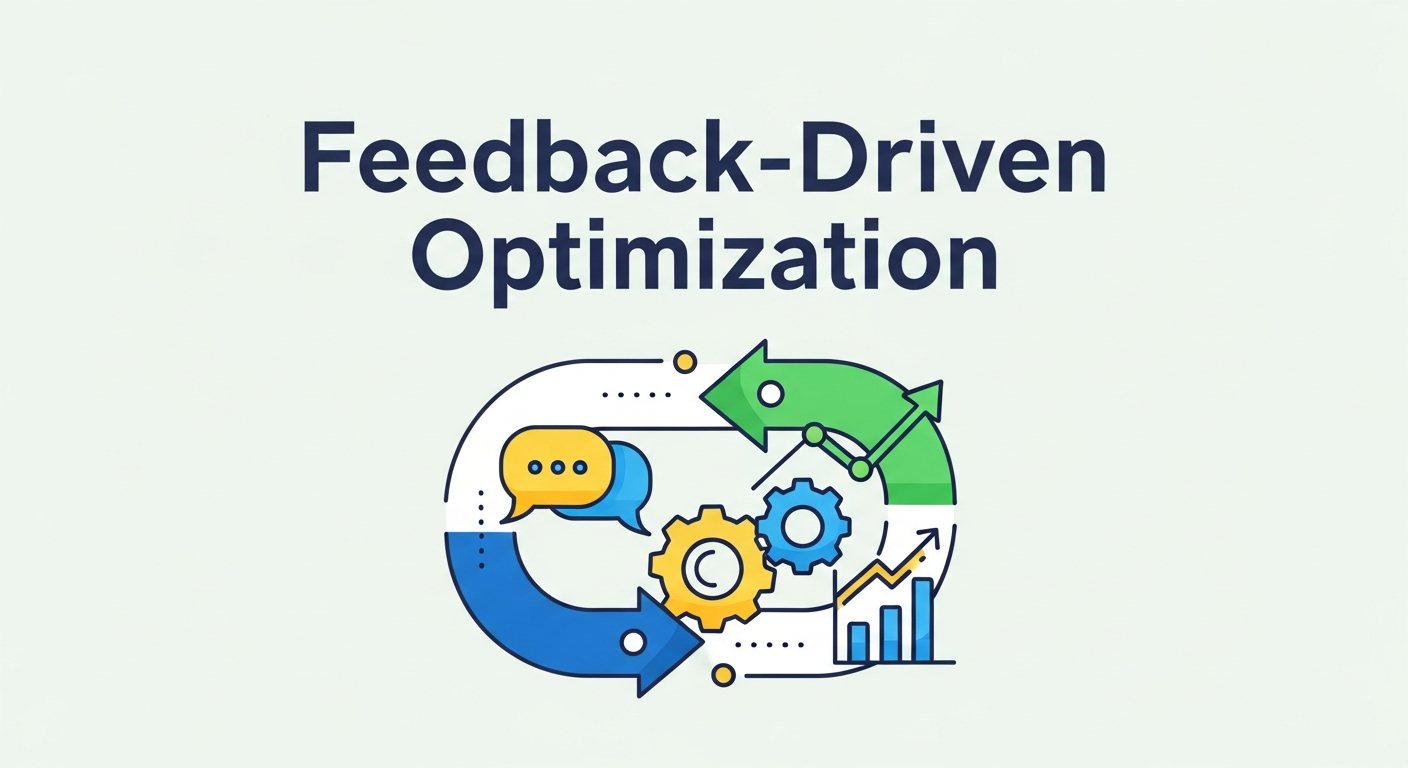
Alignment should not stop once campaigns are launched. Continuous improvement is what separates average ABM programs from exceptional ones. Establishing a structured feedback loop between sales and marketing enables teams to refine targeting, messaging, and prioritization strategies. Sales can report on objections, stakeholder concerns, and buying committee dynamics, while marketing analyzes engagement metrics and campaign performance. Together, these insights inform smarter adjustments in real time. This collaborative optimization framework ensures that resources remain focused on the most promising accounts. Over time, this process improves efficiency, strengthens interdepartmental trust, and drives sustainable revenue growth from strategically selected high-value accounts.
The Future of Sales and Marketing Alignment in ABM
The future of ABM will increasingly rely on sophisticated AI, predictive analytics, and real-time insights. Sales and marketing alignment will be pivotal in leveraging these technologies and ensuring campaigns remain personalized and impactful.
Organizations ready to invest in tightening collaboration across sales and marketing teams will not only outperform their competitors but also build long-lasting relationships with their most valuable accounts.
Start today by selecting shared goals, improving communication, and adopting tools that empower both sales and marketing. ABM success is within reach when everyone is aligned with the same vision and strategy.
Frequently Asked Questions (FAQ)
1. Why is sales and marketing alignment important in ABM?
Sales and marketing alignment is critical in ABM because both teams work toward the same high-value target accounts. Without alignment, messaging can become inconsistent, data may be siloed, and opportunities may be missed. Collaboration ensures personalized engagement, higher conversion rates, and stronger ROI.
2. What does alignment mean in the context of ABM?
Alignment means both teams share common goals, KPIs, data systems, and communication processes. It also involves collaborating on account selection, messaging strategies, campaign execution, and performance analysis to create a seamless customer experience.
3. What are the common challenges in aligning sales and marketing?
Typical challenges include:
-
Conflicting KPIs (leads vs. revenue)
-
Poor communication between teams
-
Separate tools and data silos
-
Resistance to process changes
Overcoming these issues requires shared objectives, integrated technology, and consistent collaboration.
4. How can companies create shared goals for ABM?
Companies can establish shared goals by defining joint KPIs such as target account engagement, pipeline growth, revenue from key accounts, and reduced sales cycle length. Leadership from both departments should collaborate to formalize these goals.
5. What is a Service-Level Agreement (SLA) in ABM?
An SLA is a formal agreement between sales and marketing that outlines roles, responsibilities, response times, and performance expectations. It ensures accountability and prevents misunderstandings between teams.
6. What tools help improve alignment in ABM strategies?
Common tools include:
-
CRM platforms (e.g., Salesforce, HubSpot CRM)
-
Marketing automation tools (e.g., Marketo, Pardot)
-
Data analytics platforms (e.g., Tableau, Google Analytics)
-
Collaboration tools (e.g., Slack, Microsoft Teams)
These tools centralize data and improve communication.
7. How do you measure the success of sales and marketing alignment?
Key metrics include:
-
Target account conversion rates
-
Revenue growth from ABM accounts
-
Engagement levels
-
Sales cycle duration
-
Pipeline velocity
Tracking these metrics helps determine whether alignment efforts are driving results.
8. Can small teams implement aligned ABM strategies?
Yes. Even small teams can align effectively by setting shared goals, holding regular check-ins, and using centralized tools for tracking accounts. Alignment is more about communication and shared vision than team size.
9. How often should sales and marketing teams meet for ABM alignment?
Regular meetings—weekly or biweekly—are recommended. These sessions should focus on reviewing target accounts, campaign performance, feedback from sales conversations, and refining strategy.
10. What is the future of sales and marketing alignment in ABM?
The future will rely heavily on AI-driven insights, predictive analytics, and integrated technology platforms. Companies that prioritize collaboration and data sharing between teams will gain a competitive advantage in delivering highly personalized ABM campaigns.