

Account Based Marketing focuses on high-value accounts with personalized, strategic campaigns instead of broad lead generation. By aligning sales and marketing, ABM delivers higher engagement, faster sales cycles, and stronger ROI, helping B2B companies build deeper relationships and generate more predictable, long-term revenue.
Traditional marketing casts a wide net, hoping to catch as many prospects as possible. Account Based Marketing (ABM) takes the opposite approach—targeting specific, high-value accounts with laser-focused campaigns designed to convert your most valuable prospects.
This strategic shift transforms how B2B companies approach their marketing efforts. Instead of generating thousands of leads that may never convert, ABM focuses resources on the accounts most likely to become substantial, long-term customers. The result? Higher conversion rates, shorter sales cycles, and significantly improved return on investment.
If you’re ready to move beyond spray-and-pray marketing tactics, this guide will show you how to build ABM campaigns that deliver measurable results. We’ll explore proven strategies, practical implementation steps, and real-world examples that demonstrate why companies using account based marketing see 208% higher revenue compared to traditional marketing approaches.
Understanding Account Based Marketing Fundamentals

Account Based Marketing flips the traditional marketing funnel upside down. Rather than casting a wide net to attract many leads and then qualifying them later, ABM starts by identifying specific target accounts and creating personalized campaigns for each one.
This approach requires close collaboration between marketing and sales teams. Marketing develops detailed account profiles and creates targeted content, while sales provides insights about decision-makers and helps refine the target account list. Both teams work together to nurture relationships and guide prospects through the buying process.
The key difference lies in personalization depth. While traditional marketing might segment audiences by industry or company size, ABM creates unique messaging and content for individual accounts. This might mean developing case studies featuring similar companies, creating custom landing pages, or crafting emails that reference specific business challenges facing that organization.
ABM works particularly well for companies with longer sales cycles, higher deal values, and complex decision-making processes. Technology companies, professional services firms, and manufacturing businesses often see the strongest results from account based marketing strategies.
Building Your Target Account List
Successful ABM campaigns start with identifying the right accounts to target. This process requires analyzing your current customer base to understand what characteristics your best clients share.
Begin by examining your most profitable customers. Look for patterns in company size, industry, geographic location, and business model. Companies that have purchased multiple products or services, renewed contracts, or provided referrals often share similar traits with other ideal prospects.
Next, consider your sales team’s insights. They interact with prospects daily and understand which accounts are most likely to convert. Sales representatives can identify companies showing buying signals, such as researching solutions, attending industry events, or experiencing business changes that might trigger a need for your services.
Use intent data to identify companies actively researching topics related to your solutions. Tools that track website visits, content downloads, and search behavior can reveal accounts showing genuine interest in your category. This data helps prioritize accounts most likely to engage with your campaigns.
Finally, ensure your target accounts align with your company’s capacity and goals. If you’re targeting enterprise accounts, make sure your sales team has the resources to manage complex, long-term sales cycles. Smaller companies might focus on mid-market accounts with shorter sales processes.
Developing Account-Specific Messaging and Content
Generic messaging falls flat in account based marketing. Each target account faces unique challenges, uses different terminology, and values specific outcomes. Your messaging must demonstrate a deep understanding of their business environment.
Start by researching each account thoroughly. Review their website, recent press releases, annual reports, and social media presence. Identify key initiatives, challenges, and priorities mentioned by leadership team members. This research forms the foundation for personalized messaging that resonates with decision-makers.
Create account-specific value propositions that connect your solutions to their stated business objectives. If a target company is expanding internationally, show how your services support global growth. If they’re focused on operational efficiency, emphasize how your solution reduces costs or streamlines processes.
Develop content that speaks directly to each account’s situation. This might include custom case studies featuring similar companies, industry-specific white papers, or personalized video messages from your executives. The goal is to make prospects feel like you understand their business and have solutions designed specifically for their needs.
Consider creating dedicated landing pages for high-priority accounts. These pages can feature company-specific messaging, relevant case studies, and calls-to-action tailored to their buying process. Personalized landing pages demonstrate commitment to the relationship and provide better tracking of account engagement.
Implementing Multi-Channel Campaign Strategies
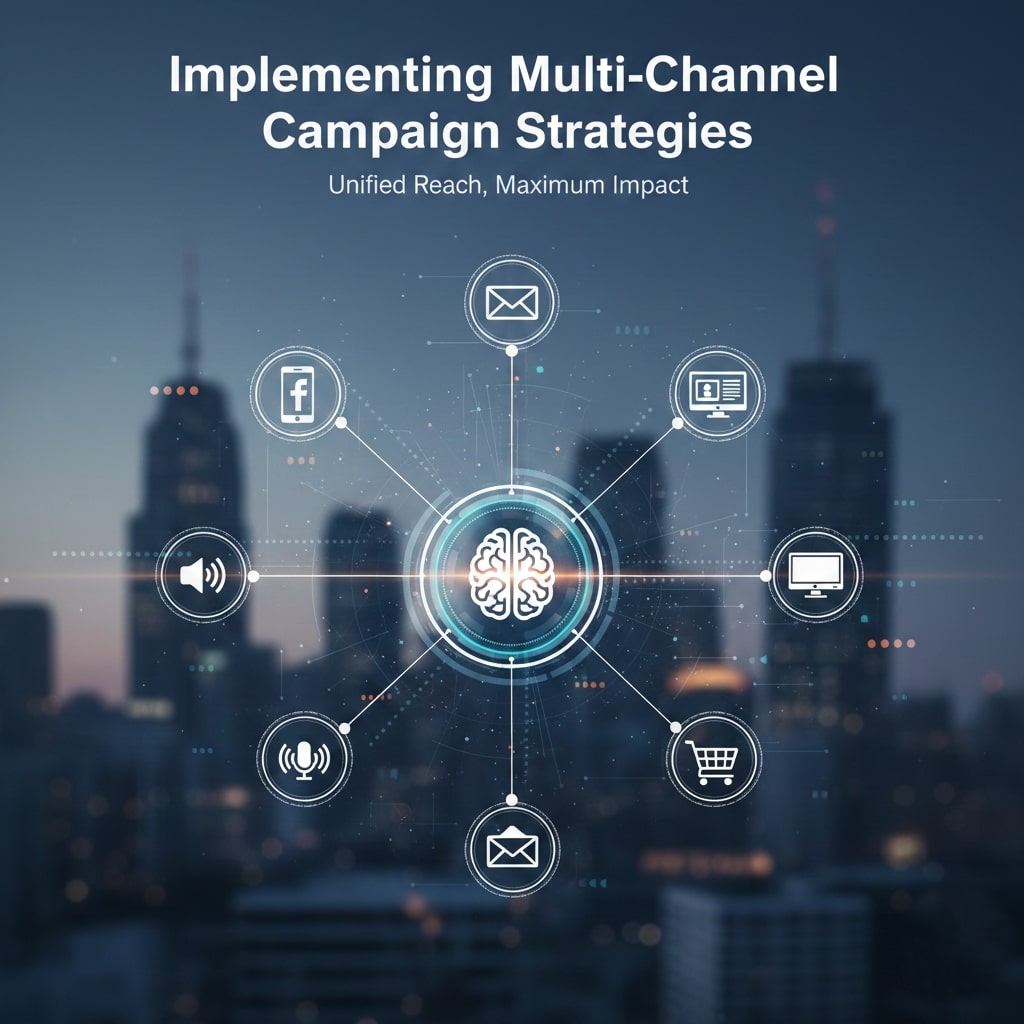
Account based marketing campaigns work best when they engage prospects through multiple touchpoints. Different decision-makers prefer different communication channels, so diversifying your approach increases the likelihood of reaching key stakeholders.
Email remains a cornerstone of ABM campaigns, but it must be highly personalized. Generic newsletters won’t cut it. Instead, craft emails that reference specific company initiatives, include relevant industry insights, or share success stories from similar organizations. Segment your email lists by role within the target account, sending different messages to executives, end users, and technical evaluators.
LinkedIn advertising offers powerful account-targeting capabilities. You can create campaigns that only show ads to employees at specific companies, ensuring your message reaches the right audience. Combine sponsored content with direct outreach from your sales team to create multiple touchpoints on the platform where B2B decision-makers spend significant time.
Direct mail might seem outdated, but it can be highly effective in ABM campaigns. Physical packages stand out in a digital world and demonstrate significant investment in the relationship. Consider sending relevant books, industry reports, or branded items that provide genuine value while keeping your company top-of-mind.
Events and webinars create opportunities for deeper engagement. Host exclusive sessions for target accounts, invite them to industry conferences, or create custom workshops addressing their specific challenges. Face-to-face interactions, even virtual ones, build stronger relationships than digital touchpoints alone.
Measuring and Optimizing Campaign Performance
Account based marketing requires different metrics than traditional demand generation. Instead of focusing solely on lead volume, ABM success is measured by account engagement, relationship progression, and revenue impact.
Track engagement at the account level rather than the individual contact level. Monitor how many people from each target company interact with your content, visit your website, or attend your events. This broader view reveals which accounts are genuinely interested versus those with limited engagement.
Pipeline acceleration metrics show how ABM impacts your sales process. Compare the length of sales cycles for accounts in your ABM program versus those acquired through traditional marketing methods. Many companies find that targeted accounts move through the pipeline faster because of the personalized attention and relevant messaging.
Revenue metrics provide the ultimate measure of ABM success. Track the percentage of target accounts that become customers, average deal sizes, and customer lifetime value. These metrics demonstrate the program’s impact on business growth and justify continued investment in account based marketing strategies.
Use account scoring models to prioritize your efforts. Assign points based on engagement activities, such as website visits, content downloads, and event attendance. This scoring helps sales teams focus on accounts showing the strongest buying signals while identifying accounts that need additional nurturing.
Overcoming Common ABM Implementation Challenges
Many companies struggle with the transition from volume-based marketing to account-focused strategies. Sales and marketing teams accustomed to generating large numbers of leads may resist the shift toward targeting fewer, higher-quality accounts.
Start by establishing clear success metrics that align with business objectives. When teams understand that ABM aims to increase revenue quality rather than lead quantity, they’re more likely to embrace the approach. Share success stories from other organizations that have implemented account based marketing successfully.
Technology integration often presents challenges. ABM requires seamless data sharing between marketing automation platforms, CRM systems, and sales tools. Invest time in properly configuring these systems to ensure accurate tracking and reporting. Clean, consistent data is essential for effective account targeting and campaign measurement.
Resource allocation requires careful planning. ABM campaigns demand more time and effort per account than traditional marketing approaches. Be realistic about how many accounts your team can effectively target while maintaining quality. It’s better to execute exceptional campaigns for fewer accounts than mediocre campaigns for many.
Content creation can become overwhelming when personalizing messaging for multiple accounts. Develop templates and frameworks that can be customized efficiently. Create modular content that can be mixed and matched for different industries, company sizes, or use cases while maintaining personalization.
Advanced Account Based Marketing Tactics
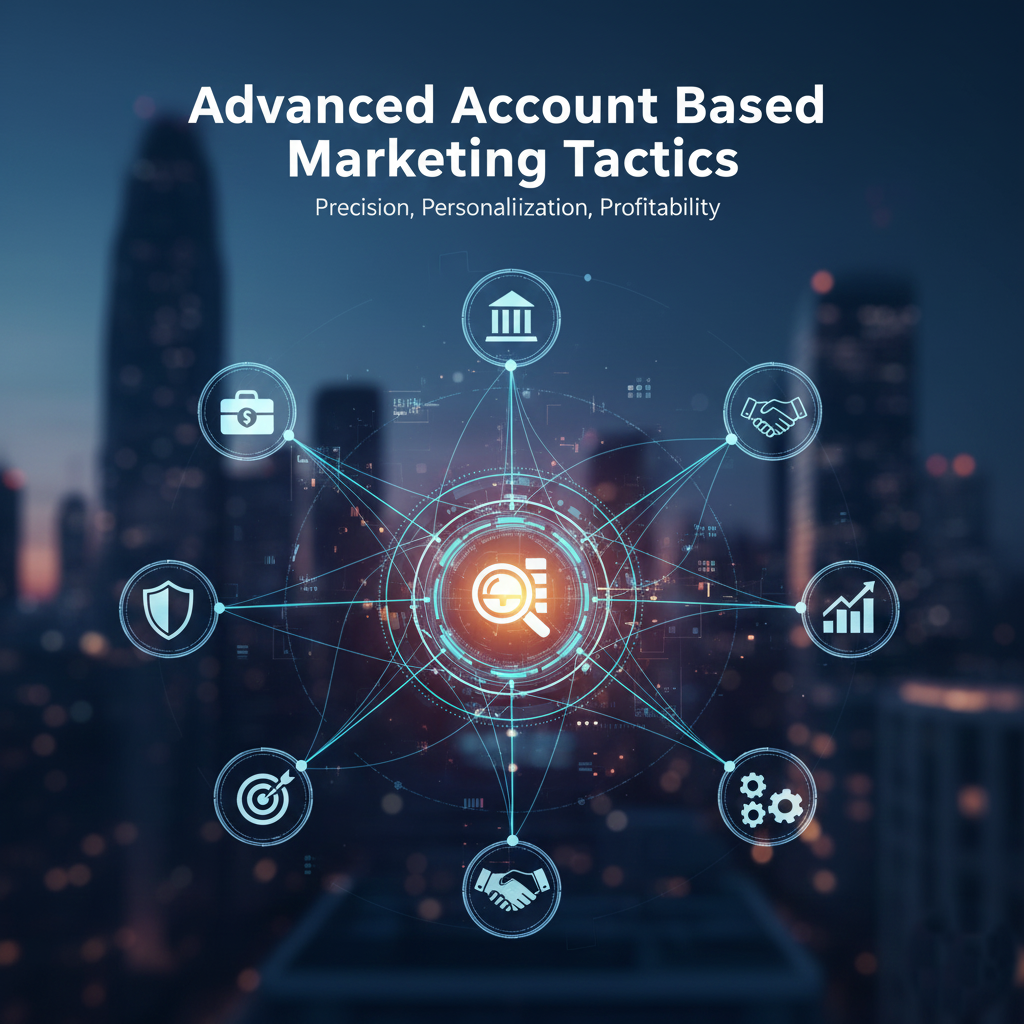
Sophisticated ABM programs incorporate advanced techniques that deepen relationships and accelerate deal progression. These tactics require greater investment but can significantly improve campaign effectiveness.
Predictive analytics help identify accounts most likely to purchase based on behavioral patterns and firmographic data. These tools analyze successful customer profiles to score prospects and prioritize sales efforts. Machine learning algorithms can identify subtle patterns that human analysis might miss.
Account-based advertising extends beyond LinkedIn to include display advertising, search campaigns, and even offline channels. Create advertising campaigns that only target IP addresses associated with your target accounts. This ensures your marketing budget focuses exclusively on prospects who matter most to your business.
Sales and marketing orchestration platforms coordinate touchpoints across teams and channels. These tools ensure prospects receive consistent messaging whether they interact with marketing content or sales representatives. Orchestration prevents duplicate outreach and creates seamless prospect experiences.
Executive engagement programs involve senior leadership in relationship building. CEOs and other executives can participate in account meetings, host exclusive events, or create personalized video messages for high-priority prospects. This high-touch approach demonstrates commitment to the partnership and differentiates your company from competitors.
Making Account Based Marketing Work for Your Business
Account Based Marketing represents a fundamental shift in how B2B companies approach prospect engagement. By focusing resources on high-value accounts and creating personalized experiences, organizations can achieve higher conversion rates, shorter sales cycles, and improved customer relationships.
Success requires commitment from both sales and marketing teams, proper technology infrastructure, and patience to see results. ABM is a long-term strategy that builds momentum over time as relationships deepen and account knowledge expands.
Start small with a pilot program targeting your most promising accounts. Learn what works for your organization, refine your processes, and gradually expand the program as you gain experience and see results. The companies that master account based marketing create significant competitive advantages and build more predictable revenue streams.
Ready to transform your marketing approach? Begin by identifying your top 10 target accounts and mapping the decision-makers at each organization. This foundational work will set the stage for campaigns that generate real business impact.
Frequently Asked Questions (FAQ) About Account Based Marketing (ABM)
1. What is Account Based Marketing (ABM)?
Account Based Marketing is a focused B2B strategy where marketing and sales teams concentrate their efforts on a select group of high-value target accounts. Instead of trying to generate as many leads as possible, ABM delivers personalized campaigns designed to convert the accounts most likely to become long-term customers.
2. How is ABM different from traditional marketing?
Traditional marketing aims to reach broad audiences and then qualifies leads afterward. ABM takes the opposite approach by identifying specific accounts first and tailoring all communication to their unique needs. This method typically leads to higher-quality engagement, faster sales cycles, and a better return on investment.
3. What types of companies benefit most from ABM?
ABM is especially effective for businesses that have longer or more complex sales cycles, larger deal values, or buying committees with multiple stakeholders. Companies in industries such as technology, professional services, and manufacturing are among those that see the strongest benefits from ABM.
4. How do I choose the right target accounts?
Choosing target accounts involves analyzing your most successful customers to understand what they have in common, consulting your sales team for insights, reviewing intent data to identify companies actively researching relevant topics, and ensuring the selected accounts match your organization’s goals and capacity.
5. What kind of content works best for ABM?
The most effective ABM content is personalized to each account. This includes custom case studies, tailored white papers, personalized videos, and landing pages designed specifically for the target company. The content should demonstrate a deep understanding of that account’s unique needs and priorities.
6. Which channels should I use for ABM campaigns?
ABM works best when multiple channels are used together. Common channels include personalized email outreach, LinkedIn advertising aimed at specific companies, direct mail, webinars, and account-specific landing pages. A multi-channel approach increases your ability to reach different decision-makers within the same account.
7. How do I measure ABM success?
ABM success is measured at the account level rather than by the number of leads generated. Key indicators include account engagement, progress through the sales pipeline, the speed at which deals close, conversion rates from target accounts, and the total revenue ultimately generated from these accounts.
8. What challenges do companies face when implementing ABM?
Companies often struggle with shifting from a volume-based mindset to a focused approach. Technology integration across CRM and marketing platforms can be difficult, and creating personalized content for multiple accounts requires careful planning. Resource management also becomes important, as ABM demands more time per account.
9. How can I scale ABM without losing personalization?
Scaling ABM is possible by using content frameworks and templates that can be quickly customized. Organizations often adopt a tiered approach, providing highly personalized experiences for top-tier accounts while using lighter customization for secondary groups, ensuring both personalization and efficiency.
10. How do I get started with ABM?
The best way to start is with a small pilot program. Identify your top target accounts, align closely with your sales team, develop personalized messaging for each account, and monitor engagement closely. As you learn what resonates, you can expand the program and scale your efforts.


