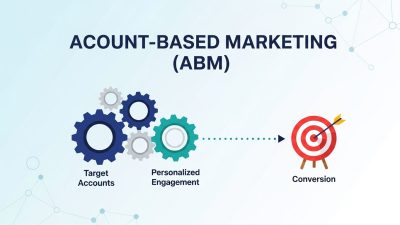
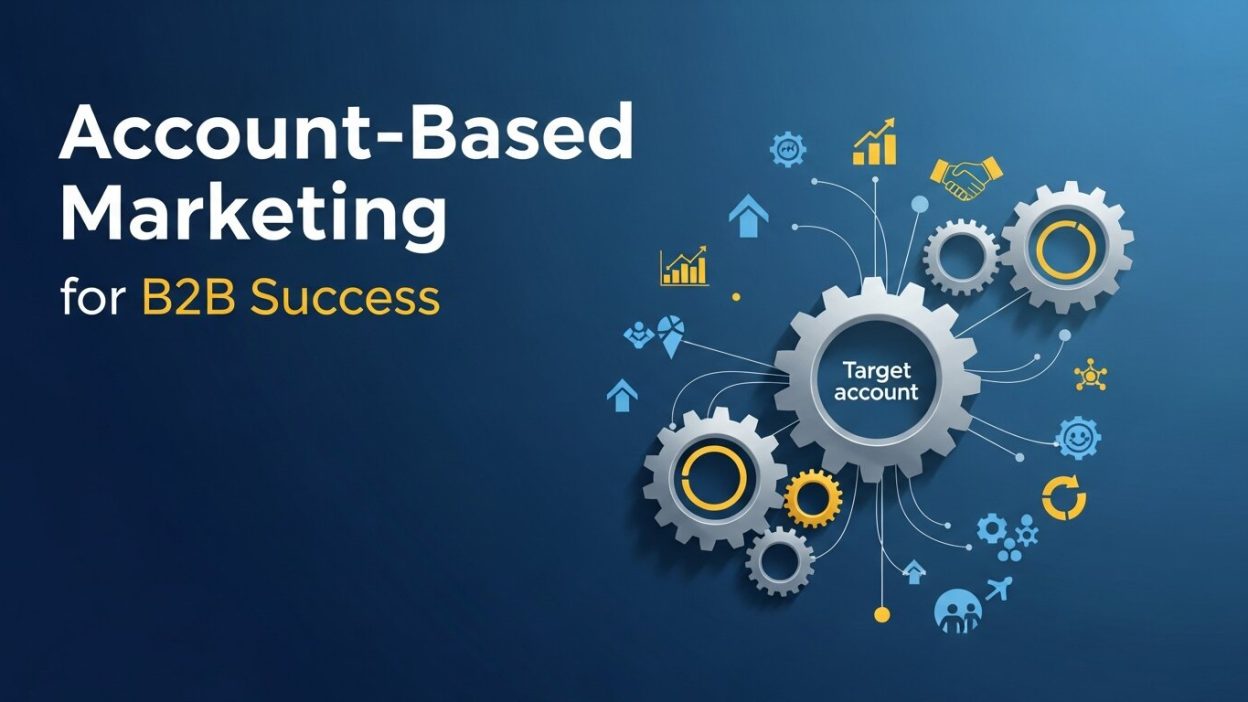
Account-Based Marketing (ABM) is a game-changer for B2B companies in their quest to build meaningful connections with the right prospects, engage with them, and win deals. Rather than taking a shotgun blast approach, with ABM, you personalize your sales and marketing dollars on the most valuable, influential accounts with whom you’d like to do business, doing so in a way that opens to deeper dialogue.
Whether you’re a B2B marketer, salesperson, or marketing team lead, this resource will guide you through everything you need to know in order to have a successful ABM strategy. From realizing just how valuable it is to successfully deploying campaigns and tracking success, we (literally) have you covered.
Understanding the B2B Landscape and the Need for ABM
B2B marketing is more complex than B2C. Between clients, longer sales cycles, high-dollar deals, and larger deals, the B2B decision is more complex. Normal ‘one-size-fits-all’ approaches are usually not successful in effectively involving these stakeholders.
No wonder ABM has caught the industry’s imagination. By focusing on a select few target accounts, rather than a large, undifferentiated target audience, ABM allows for teams, budgets, and messaging to be aligned to deliver the best results possible where it counts the most.
Key Benefits of ABM:
- Higher ROI compared to traditional marketing strategies.
- Improved alignment between sales and marketing teams.
- Stronger customer relationships through personalized outreach.
- Clearer measurement of success through account-specific metrics.
Identifying and Prioritizing Key Accounts
Selecting the right accounts is the foundation of ABM success. Here’s how to identify and prioritize them effectively.
Steps to Identify Key Accounts:
- Define your ideal customer profile (ICP) based on attributes like company size, industry, revenue, and location.
- Leverage data from CRM systems, analytics platforms, and sales insights to pinpoint potential high-value accounts.
- Score prospects using criteria such as fit, value potential, and engagement history.
Prioritization Tips:
- Focus on accounts that align closely with your ICP and showcase significant growth opportunities.
- Engage your sales team early to gain insights into high-priority leads.
Creating Targeted Content for Each Account
ABM thrives on personalization. Generic messaging won’t cut it when you’re trying to earn the attention and trust of decision-makers.
Steps to Craft Engaging Content:
- Research the account’s pain points by analyzing industry trends, recent news, and company data.
- Develop customized value propositions that address the specific challenges of each account.
- Create diverse content formats tailored to different stages of the buyer’s journey, such as whitepapers, industry reports, and webinar invitations.
Example: If you’re targeting a healthcare technology company, you could craft a case study detailing how your solution resolved interoperability challenges for another healthcare-focused client.
Executing ABM Campaigns: Channels and Tactics
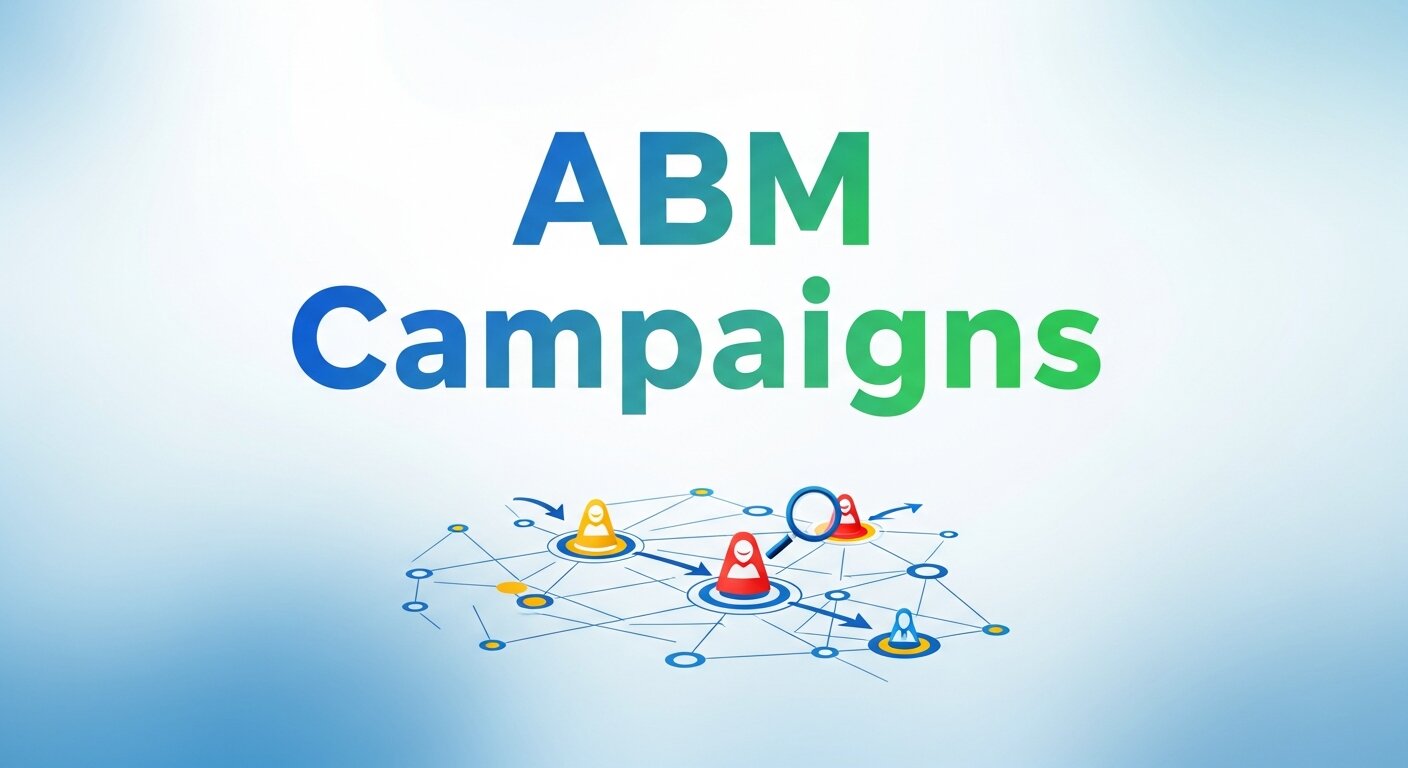
Once you’ve developed targeted content, it’s time to choose the right channels to deliver your messages.
Effective ABM Channels:
- Email Campaigns: Personalized email outreach remains a top strategy for B2B marketing.
- LinkedIn Ads and Sponsored Content: Ideal for reaching niche decision-makers.
- Account-Specific Landing Pages: These pages should mirror the tailored messaging you’ve created for the account.
- Direct Mail: Sending a physical, meaningful gift can leave a lasting impression in industries that value personal touchpoints.
- Webinars and Virtual Events: Host live sessions that specifically address the concerns and interests of key accounts.
Measuring ABM Success: Key Metrics and KPIs
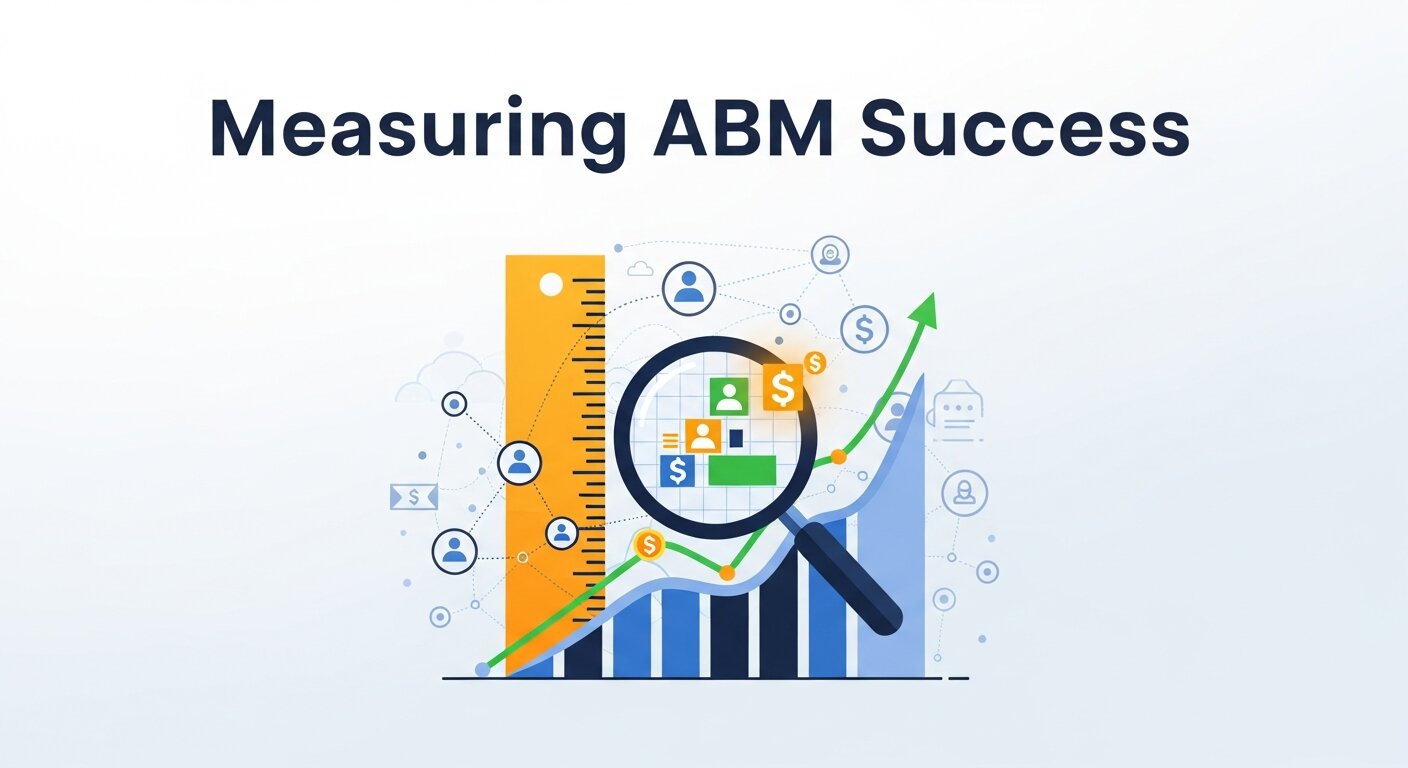
To gauge whether your ABM efforts are paying off, focus on metrics that align with account-specific goals.
Metrics to Track:
- Account engagement rates, including email opens and content downloads.
- Pipeline velocity determines how quickly targeted accounts move through the sales funnel.
- Deal size and revenue growth within targeted accounts.
- Customer retention and expansion in key accounts.
Using platforms such as HubSpot or Terminus can simplify the tracking process by centralizing your ABM campaign data.
Case Studies: Successful ABM Implementations
Many B2B companies have unlocked incredible results with ABM. Here’s a look at two success stories.
Case Study 1: LinkedIn
LinkedIn used ABM to drive 25% more pipeline than traditional marketing methods. They achieved this by creating hyper-personalized content for targeted industries and leveraging the platform’s own ad tools.
Case Study 2: Snowflake
Cloud data platform Snowflake executed an ABM strategy that focused on personalized direct mail and digital marketing efforts. This approach resulted in 300% ROI growth and significantly expanded their customer base.
Challenges and How to Overcome Them
Despite its benefits, ABM comes with some challenges. Here’s how you can address them.
Common Challenges:
- Misalignment between sales and marketing teams
Solution: Establish shared goals and foster regular communication.
- Data silos and lack of insights
Solution: Invest in tools that integrate your data sources for full visibility into account behavior.
- Scaling personalization efforts
Solution: Use AI-driven tools to automate parts of the personalization process without losing quality.
The Future of ABM: Trends and Predictions
ABM is evolving rapidly, driven by advancements in technology and shifts in buyer expectations.
Emerging Trends:
- AI and Machine Learning will continue to enhance account insights, allowing for even deeper personalization.
- ABM for SMBs, as more affordable tech solutions become available, making it accessible to smaller businesses.
- Omnichannel Strategies, where ABM campaigns span social media, email, direct mail, and in-person engagement seamlessly.
Organizations that stay proactive in adopting new ABM strategies and tools will gain a significant competitive edge.
Crafting Personalized Campaigns
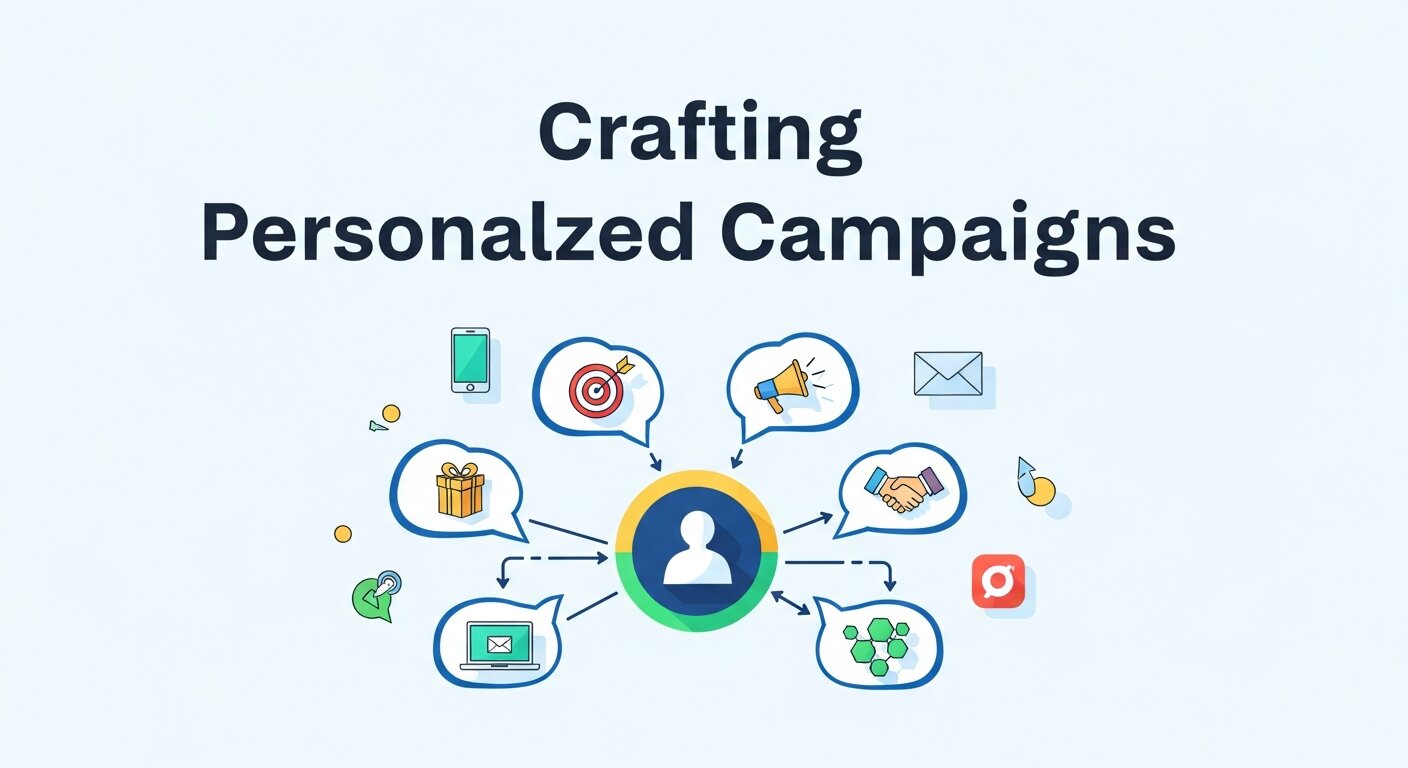
Successful ABM requires creating campaigns that resonate directly with your target accounts. By researching each company’s industry trends, pain points, and goals, marketers can develop tailored messaging that engages decision-makers. Personalized content, whether emails, case studies, or webinars, fosters stronger connections and higher response rates. Using ABM email marketing allows teams to reach stakeholders with relevant insights and solutions, avoiding generic messaging that is often ignored. Campaigns that incorporate data-driven strategies help highlight your value proposition, demonstrating that your business understands the unique challenges of each account. This careful approach improves engagement, builds trust, and increases the likelihood of conversion, creating a foundation for long-term relationships with high-value prospects.
Strategic Account Selection
Identifying the right accounts is critical for ABM success. Not all prospects offer equal potential, so companies must evaluate criteria such as revenue opportunity, alignment with business objectives, and engagement history. Leveraging primary market research and sales insights ensures high-value accounts are targeted efficiently. By focusing efforts on accounts most likely to yield significant ROI, businesses can optimize resource allocation and maximize campaign effectiveness. This strategy also allows teams to prioritize accounts with complex buying processes or multiple stakeholders, where personalized engagement makes the most impact. Strategic account selection ensures marketing and sales efforts are aligned, increasing the precision and success of ABM campaigns while reducing wasted time on lower-potential leads.
Optimizing Multi-Channel Outreach
ABM thrives when messages are delivered consistently across multiple channels. Personalized emails, LinkedIn messages, sponsored content, and targeted landing pages create numerous touchpoints with decision-makers. Incorporating ABM email marketing as part of this approach ensures stakeholders receive information in a format that is convenient and impactful. Multi-channel outreach strengthens brand visibility and credibility, allowing prospects to engage at their preferred channels. When executed thoughtfully, coordinated messaging reinforces the company’s expertise while addressing account-specific challenges. By using diverse platforms and methods strategically, businesses can increase engagement rates, nurture relationships across the buyer’s journey, and provide a seamless experience that enhances the chances of moving high-value accounts toward conversion.
Leveraging Data for Insights
Data-driven decision-making is at the heart of effective ABM campaigns. Insights gathered from CRM systems, analytics tools, and primary market research allow marketers to understand account behavior, content preferences, and engagement patterns. These insights inform tailored messaging, helping ensure campaigns are relevant and timely. By analyzing engagement metrics and intent signals, businesses can prioritize outreach to accounts showing strong interest, improving ROI. Data also enables better alignment between marketing and sales, as both teams can collaborate based on evidence rather than assumptions. Leveraging analytics helps businesses scale personalization intelligently, creating more impactful campaigns that resonate with high-value accounts while continuously refining strategies based on performance data.
Engaging Stakeholders Effectively
ABM focuses on engaging not just a single contact, but the buying committee within an account. Understanding each stakeholder’s priorities and concerns is crucial for crafting messaging that resonates. Personalized content, whether emails, reports, or case studies, demonstrates an understanding of their challenges and provides actionable solutions. ABM email marketing, combined with webinars or virtual demos, can address the diverse interests of multiple decision-makers simultaneously. This approach builds credibility and fosters trust, making it easier for sales teams to navigate complex approval processes. By engaging stakeholders meaningfully, companies strengthen relationships, reduce friction in the buying process, and increase the likelihood of successful conversions with high-value accounts.
Tracking Performance and ROI
Monitoring the success of ABM campaigns is essential for continuous improvement. Key performance indicators include account engagement, pipeline velocity, revenue growth, and stakeholder interactions. Using tools that consolidate campaign data allows teams to analyze trends and adjust strategies in real time. Integrating ABM email marketing metrics with overall account analytics provides a clearer view of which messaging resonates best with each audience segment. By assessing ROI at the account level, companies can identify the most effective tactics and reallocate resources toward high-impact campaigns. Tracking performance ensures that ABM initiatives remain aligned with business goals, maximize the value of marketing efforts, and strengthen long-term client relationships.
Scaling ABM Without Losing Personalization
As businesses grow, maintaining the personal touch of ABM can be challenging. Segmenting accounts into tiers based on revenue potential or strategic value allows teams to apply personalized strategies effectively. High-tier accounts may receive one-to-one campaigns, while mid-tier accounts benefit from one-to-few approaches. Automation tools, combined with insights from primary market research, enable personalized ABM email marketing and content delivery at scale. Documenting processes for research, messaging, and follow-up ensures consistency across campaigns. By balancing efficiency with tailored outreach, businesses can expand ABM initiatives without compromising engagement quality, ensuring that high-value accounts continue to receive meaningful interactions that foster loyalty and drive measurable growth.
Driving Growth with Account-Based Marketing
ABM isn’t just a trend; it’s a proven strategy for driving growth in the B2B space. When implemented correctly, it aligns teams, creates lasting customer relationships, and delivers measurable ROI.
Are you ready to transform your B2B marketing strategy and capitalize on the potential of ABM? Start by leveraging the tips and tools outlined in this post, and watch your business take meaningful steps toward success.
Looking for more guidance? Contact us to learn how we can help you implement a comprehensive ABM plan tailored to your organization.
Frequently Asked Questions (FAQ)
1. What is Account-Based Marketing (ABM)?
ABM is a strategic approach in which a business treats individual accounts as unique markets. Instead of broad campaigns, ABM focuses on high-value accounts and delivers personalized messaging that aligns with their specific needs and pain points.
2. Who can benefit from ABM?
ABM is ideal for B2B companies with longer sales cycles, larger deal sizes, and multiple decision-makers. Both large enterprises and small-to-medium businesses (SMBs) can leverage ABM if they want to focus on high-value accounts rather than casting a wide net.
3. How is ABM different from traditional marketing?
Traditional marketing often targets broad audiences, hoping for engagement. ABM flips this by identifying high-value accounts first and creating tailored campaigns. The goal is relevance, deeper engagement, and higher ROI instead of sheer volume.
4. How do you select the right accounts for ABM?
Start by defining your Ideal Customer Profile (ICP), analyzing existing client data, scoring prospects based on fit and engagement, and collaborating with sales to prioritize high-value targets. This ensures resources are invested in accounts with the most potential.
5. What types of content work best for ABM?
Content must be personalized and account-specific. Examples include tailored emails, case studies, industry reports, webinars, and account-specific landing pages. The content should address the account’s challenges at each stage of the buyer’s journey.
6. Which channels are effective for ABM campaigns?
A multi-channel approach works best, including personalized email campaigns, LinkedIn ads, account-specific landing pages, direct mail, and virtual events. Using multiple touchpoints ensures maximum visibility and engagement.
7. How do you measure ABM success?
Key metrics include account engagement rates, pipeline velocity, deal size, revenue growth, and customer retention in targeted accounts. Using platforms like HubSpot or Terminus can centralize these metrics for easier tracking.
8. What challenges might companies face with ABM?
Common challenges include misalignment between sales and marketing, data silos, and scaling personalization. Solutions involve shared goals, integrated data tools, and AI-driven automation for personalization.
9. Is ABM suitable for small businesses?
Yes. With modern ABM tools and technology, SMBs can implement cost-effective strategies targeting high-value accounts. Even smaller teams can run impactful campaigns without huge budgets.
10. What’s the future of ABM?
ABM is evolving with AI, omnichannel strategies, and expanded accessibility for SMBs. Companies adopting advanced analytics and personalized, multi-channel approaches will gain a competitive edge in B2B growth.