
The futures market allows traders and businesses to lock in prices and manage risk. It plays a vital role in price discovery, market stability, and economic efficiency. While it offers opportunities, it also carries significant risks that require knowledge and strategy.
The financial world offers countless investment opportunities, but not all of them are easy to understand. Among these, the futures market stands out as one of the most powerful yet often misunderstood areas of finance. While some see it as a complex space reserved only for professional traders, in reality, it plays a crucial role in global markets and affects everyday businesses and consumers alike. Whether you are an investor, a business owner, or simply curious about finance, understanding what is the futures market can give you valuable insight into how prices, risks, and investments are managed in the modern economy.
What Is the Futures Market?
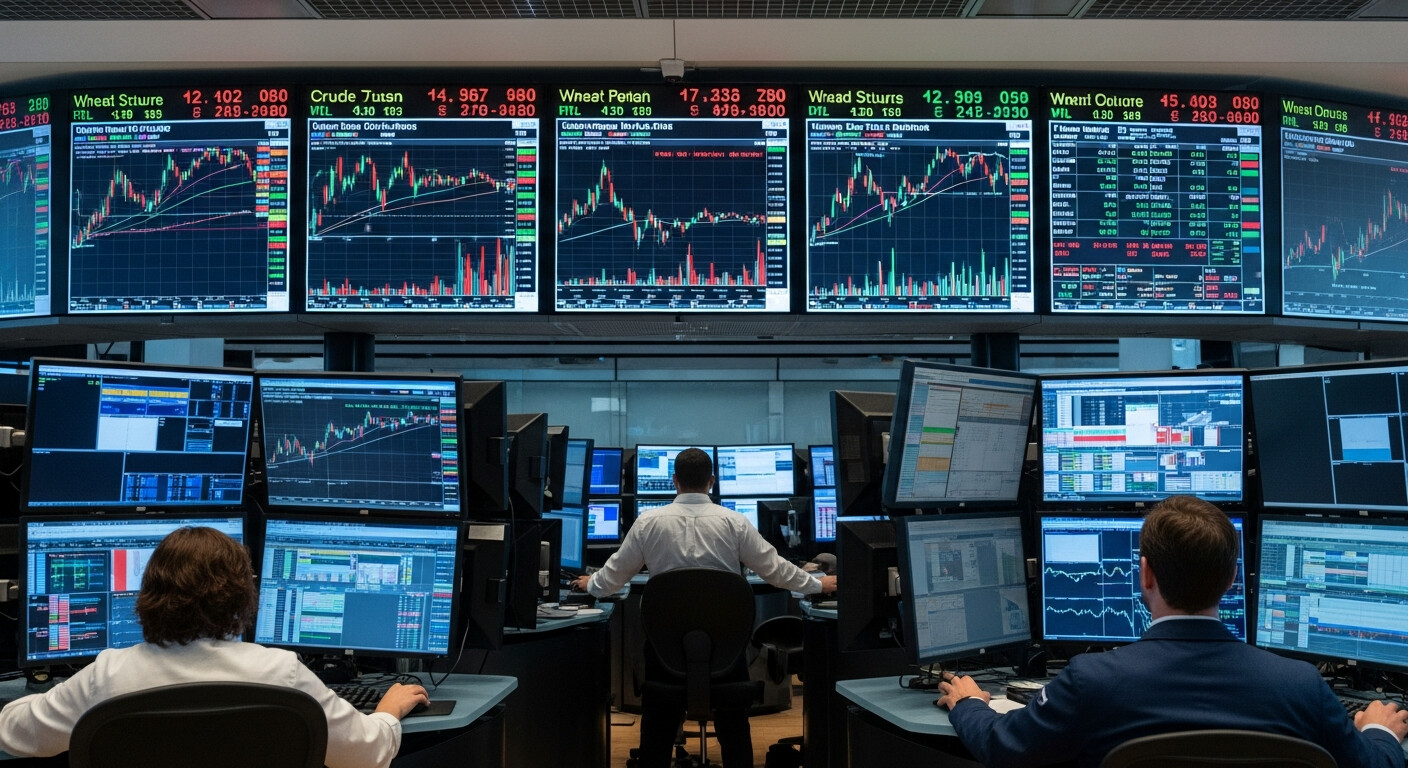
It is a structured financial exchange where individual traders, institutional investors, corporations, and financial institutions come together to trade legally binding contracts that specify the buying or selling of a particular asset at a predetermined price on a specified future date. These contracts — commonly known as futures contracts — cover a broad range of asset classes. They include tangible commodities such as gold, crude oil, natural gas, and agricultural products like wheat, corn, and coffee, as well as financial instruments such as treasury bonds, currencies, interest rates, and major stock market indexes.
Unlike traditional markets where buyers and sellers exchange physical goods or securities immediately, the futures market operates on expectations and commitments about the future. Instead of exchanging assets today, participants agree on a price now for a transaction that will take place later. This makes the futures market a powerful tool for managing uncertainty. It allows businesses to protect themselves against price fluctuations while also giving traders the opportunity to profit from market movements. Because of this structure, the futures market plays a crucial role in global finance, risk management, and economic stability.
For example, an airline company that relies heavily on fuel can use futures contracts to lock in a fixed price for jet fuel months in advance, protecting itself from sudden price spikes. Similarly, a farmer growing wheat can sell futures contracts to guarantee a stable selling price for their harvest, reducing the risk of financial loss if market prices drop. On the other hand, a speculator who studies agricultural trends might trade these contracts purely to profit from anticipated price changes.
How the Futures Market Works
Understanding how the futures market functions is essential to fully grasping What Is the Futures Market and its impact on global trade and investment. Much like understanding strategic approaches in “ABM vs Traditional Marketing: Key Differences and Why ABM Wins,” clarity in structure matters. While it may initially seem complex, the basic mechanics follow a logical structure.
Futures Contract:
A futures contract is a legally enforceable agreement between a buyer and a seller to trade a specific quantity of an asset at a set price on a future date. For instance, if you purchase a crude oil futures contract at $80 per barrel for delivery in one month, you are agreeing to that price regardless of whether the market price rises or falls in the meantime. This contractual obligation distinguishes futures from other types of financial instruments.
Standardization:
Futures contracts are standardized by regulated exchanges such as the Chicago Mercantile Exchange (CME). This standardization ensures fairness and transparency by defining key contract details in advance, including the quantity of the asset, its quality specifications, delivery location, and expiration date. Because of this uniform structure, traders can buy and sell contracts easily without negotiating terms each time.
Leverage:
One of the defining characteristics of the futures market is leverage. Traders are only required to deposit a small percentage of the contract’s total value, known as the initial margin. This allows them to control large positions with relatively little capital. While leverage can significantly increase potential profits, it also magnifies losses, making risk management essential for anyone participating in the futures market.
Settlement:
Most futures traders do not actually take physical delivery of the underlying asset. Instead, they close their positions before the contract expires by making an offsetting trade. For example, if they initially bought a contract, they later sell an equivalent one to exit their position. However, in certain industries such as agriculture or energy, some contracts do result in actual physical delivery of goods.
Types of Futures Contracts and How They Differ
To better understand What Is the Futures Market, it is important to recognize that not all futures contracts are identical. Similar to how businesses rely on insights from “What is Primary Market Research? A Complete Guide to Understanding and Using It for Business Growth,” market understanding shapes decision-making. They are primarily categorized based on the type of asset they represent.
Commodity futures involve physical goods such as oil, gold, wheat, coffee, and natural gas. These contracts are widely used by producers, suppliers, and manufacturers to hedge against price volatility.
Financial futures, in contrast, are based on intangible assets such as stock indexes, interest rates, currencies, and government bonds. These are commonly used by banks, hedge funds, and institutional investors to manage financial risk or speculate on market trends. While all futures contracts follow a similar structure, their behavior and risk profiles can vary significantly depending on the underlying asset.
Futures vs. Options: Key Differences Explained
Many people who are learning What Is the Futures Market mistakenly assume that futures and options are the same, but they serve different purposes. Just as companies may work with specialized support as described in “Everything You Need to Know About an Account-Based Marketing Agency,” traders must choose the right financial tools for their goals.
A futures contract obligates both parties to complete the transaction at the agreed price on the expiration date. This means that traders must either fulfill the contract or close their position beforehand.
An options contract, however, gives the buyer the right — but not the obligation — to buy or sell an asset in the future. This makes options less risky for buyers compared to futures. While futures traders must actively manage their positions, options traders can simply allow their contracts to expire if market conditions are unfavorable. Understanding this difference is crucial for anyone considering trading in derivatives markets.
How Futures Pricing Works (Contango vs. Backwardation)
A key concept in understanding What Is the Futures Market is how futures prices differ from current market prices. Futures prices do not always match the spot price of an asset — the price at which it can be bought or sold immediately.
When futures prices are higher than the current market price, the market is said to be in contango. This often occurs when storage costs, insurance, or expected future demand make holding the asset more expensive. Conversely, when futures prices are lower than the spot price, the market is in backwardation. This typically happens when there is immediate scarcity or high demand for the asset.
These pricing structures provide valuable insight into market sentiment and expectations. Traders and analysts closely monitor contango and backwardation to make informed decisions about future price movements.
How to Start Trading Futures as a Beginner
What Is the Futures Market, getting started can feel intimidating due to its technical terms, price fluctuations, and the use of leverage. However, with a structured and disciplined approach, beginners can gradually build their understanding and confidence. The first step is to gain a solid foundation in how futures contracts work, including key concepts such as margin requirements, leverage, contract specifications, and settlement procedures. Without this basic knowledge, traders may take unnecessary risks or make uninformed decisions.
Once familiar with the fundamentals, beginners should open an account with a regulated and reputable brokerage that offers futures trading. Choosing a reliable platform is essential because it provides access to real-time market data, trading tools, and risk management features. Many brokers also offer demo or paper trading accounts where beginners can practice executing trades in a simulated environment without risking real money. This allows new traders to test strategies, understand market behavior, and gain experience before entering live markets.
Equally important is developing a clear trading plan. Beginners should define their financial goals, risk tolerance, and preferred trading style. Setting stop-loss limits, avoiding emotional decisions, and continuously learning about market trends, economic indicators, and global events will help traders make more informed and disciplined decisions over time.
Role of Exchanges and Clearinghouses in Futures Trading
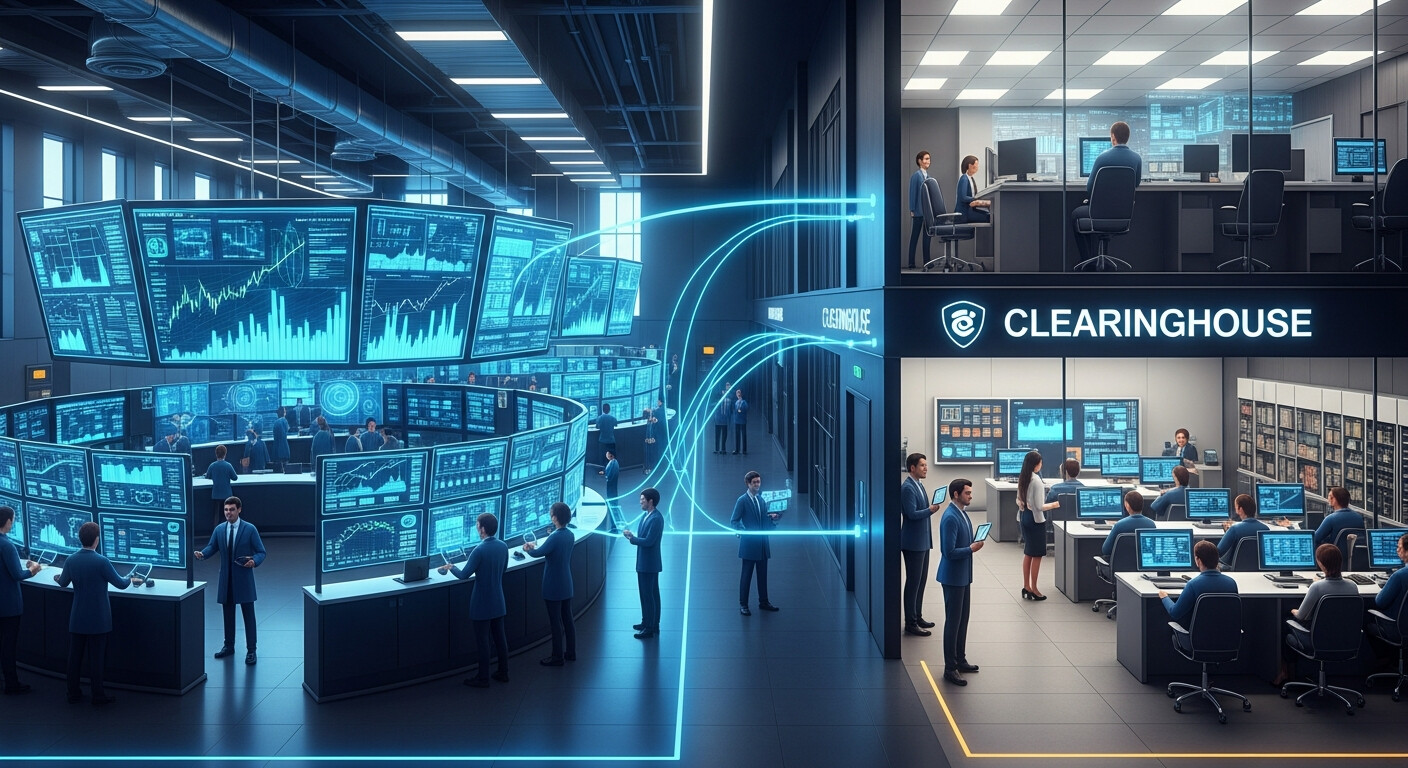
A critical part of understanding What Is the Futures Market is recognizing the vital role played by exchanges and clearinghouses. Futures contracts are traded on highly regulated exchanges such as the Chicago Mercantile Exchange (CME), Intercontinental Exchange (ICE), and Eurex. These exchanges establish standardized contract terms, ensuring that every trader is dealing with the same specifications regarding contract size, quality, expiration date, and settlement process. This standardization promotes transparency, fairness, and efficiency in the market.
Once a trade is executed between a buyer and a seller, a clearinghouse steps in as a neutral intermediary. The clearinghouse guarantees that both parties will fulfill their contractual obligations, even if one side defaults. It does this by collecting margin payments and monitoring account balances daily through a process known as “marking to market.” This system significantly reduces counterparty risk and increases trust in the financial system. Without exchanges and clearinghouses, the futures market would be far more unstable, risky, and prone to fraud or default.
Common Mistakes to Avoid in Futures Trading
Many newcomers misunderstand What Is the Futures Market and make costly mistakes that could have been avoided with proper education and discipline. One of the most common errors is excessive use of leverage. Because futures trading requires only a small margin deposit, traders can control large positions with relatively little capital. While this can amplify profits, it can also lead to significant losses within a short period.
Another major mistake is trading without a well-defined strategy or risk management plan. Some traders enter positions based on emotions, rumors, or impulsive decisions rather than careful analysis. Panic selling during market downturns or overtrading in an attempt to recover losses often leads to even greater financial damage. Additionally, many traders fail to stay updated on economic news, geopolitical events, and industry trends that can influence futures prices.
To succeed in What Is the Futures Market, traders must remain disciplined, patient, and continuously educated, using proper risk controls to protect their capital.
Major Players in the Futures Market
The futures market consists of different types of participants, each with distinct objectives. Understanding these roles provides deeper insight into What Is the Futures Market and how it functions in real-world trading.
Hedgers:
Hedgers are businesses and producers who use futures contracts to protect themselves from price volatility, which is a core part of What Is the Futures Market in practice. For example, a coffee producer may sell coffee futures to lock in a stable selling price, ensuring predictable revenue even if market prices fluctuate. Similarly, airlines hedge fuel prices to avoid unexpected cost increases, demonstrating another real-world application of What Is the Futures Market.
Speculators:
Speculators trade futures contracts purely to profit from price movements, playing a major role in What Is the Futures Market liquidity. Unlike hedgers, they do not intend to take delivery of the underlying asset. Instead, they buy and sell contracts based on their analysis of market trends, supply and demand, and economic conditions, which shapes What Is the Futures Market dynamics.
Arbitrageurs:
Arbitrageurs seek to profit from price discrepancies between different markets or exchanges, helping maintain balance in What Is the Futures Market. By simultaneously buying and selling the same asset in different locations, they help correct pricing inefficiencies and contribute to market stability and liquidity, reinforcing the efficiency of What Is the Futures Market.
Advantages of Futures Trading
A key reason investors and businesses engage in What Is the Futures Market is the numerous benefits it offers.
Risk Management:
Futures contracts allow companies to hedge against unpredictable price movements, which is one of the main purposes of What Is the Futures Market. Farmers, energy companies, and manufacturers frequently rely on futures to secure stable prices for their inputs or outputs.
Price Discovery:
Futures markets reflect collective market expectations about future prices, making them an important tool within What Is the Futures Market for economic forecasting and decision-making.
Liquidity:
Because futures are traded on major exchanges with high participation, they are generally highly liquid, which strengthens What Is the Futures Market by allowing traders to enter and exit positions easily.
High Leverage:
Futures enable traders to control large positions with relatively small investments, a defining characteristic of What Is the Futures Market, offering the potential for higher returns — but also higher risks.
Portfolio Diversification:
Adding futures to an investment portfolio can help reduce overall risk by providing exposure to different asset classes beyond traditional stocks and bonds, making What Is the Futures Market an important tool for diversified investors.
Hazard of Investing in the Futures Marketplace
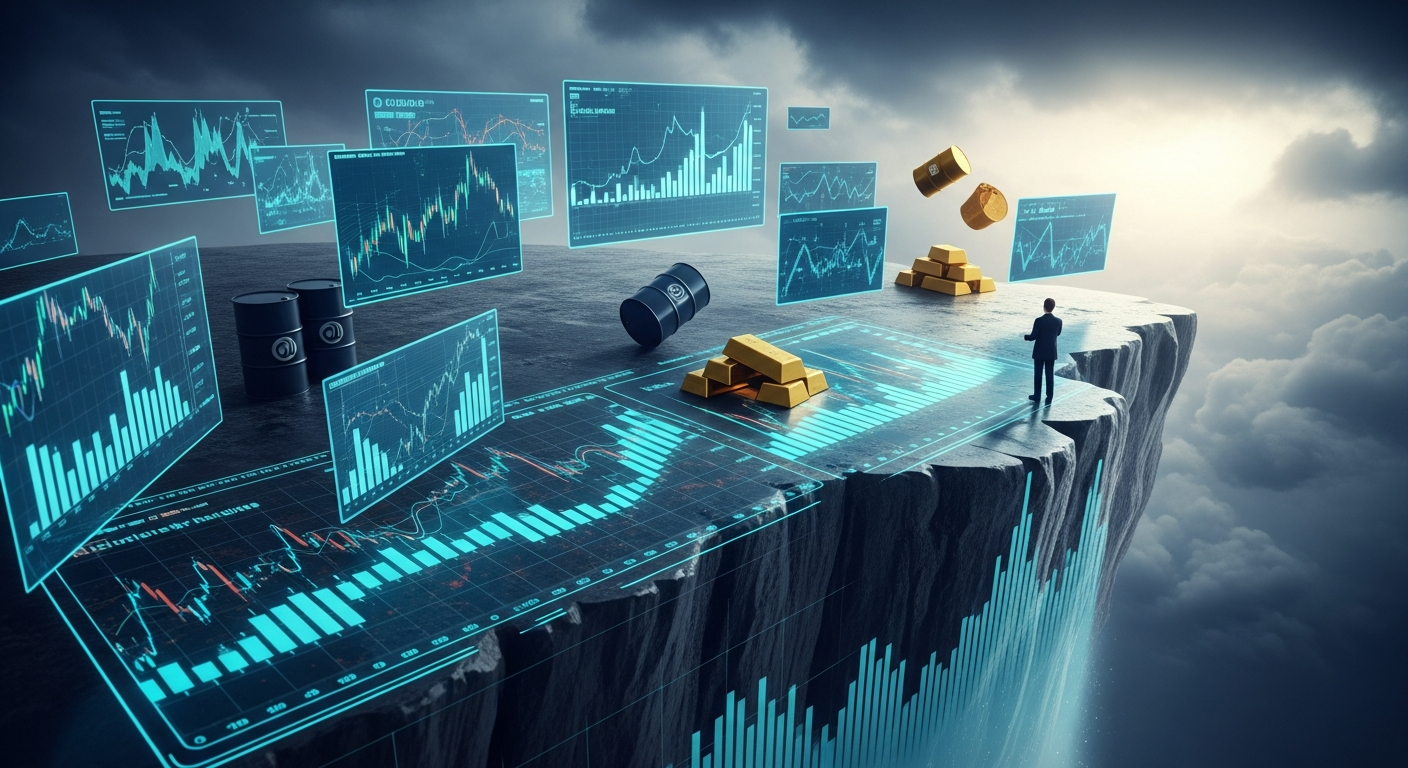
Trading in the futures market is not without risks, however tempting as the benefits may be. These risks are essential to grasp when learning What Is the Futures Market, because without proper understanding, traders can face significant financial losses.
Leverage Risks:
In What Is the Futures Market, leverage plays a central role. While it allows traders to control large positions with limited capital, it also magnifies losses. The opportunity for outsized gains is accompanied by the possibility of outsized losses. Erroneous trades or poor risk management can result in losses that exceed the trader’s initial investment.
Volatility:
Futures prices can be highly volatile, especially in commodity markets. Prices are influenced by unpredictable factors such as weather conditions, geopolitical tensions, supply disruptions, and global economic shifts. This volatility is a key characteristic of What Is the Futures Market, making it both an opportunity and a risk for traders.
Complexity:
Trading futures is not simple. It requires market knowledge, analytical skills, and a disciplined trading strategy. To truly understand What Is the Futures Market, traders must be familiar with contract specifications, expiration dates, and market trends. Without this knowledge, participating in futures trading can be overwhelming and risky.
Margin Calls:
Because futures trading involves leverage, traders must maintain a minimum margin balance in their accounts. If the market moves against a trader’s position, they may receive a margin call and be required to deposit additional funds. Failing to do so can result in the broker automatically closing their position, often at a loss.
The Effect of Futures on the Worldwide Economy
 The futures market plays an important role in the global economy by helping stabilize prices, encouraging investment, and improving efficiency. By allowing businesses to hedge against price fluctuations, it reduces uncertainty in key industries such as agriculture and energy. At the same time, futures prices provide useful signals that guide investment decisions, while price discovery helps ensure resources are allocated more effectively based on market demand.
Stabilizing Prices:
By enabling businesses to hedge against price fluctuations, the futures market helps maintain stability in industries such as agriculture, energy, and manufacturing. This reduces uncertainty for producers and consumers alike.
Encouraging Investment:
Futures markets provide signals about expected future prices of commodities, currencies, and financial assets. These insights influence investment decisions across multiple sectors, helping businesses and investors plan more effectively.
Efficient Allocation:
Futures markets improve economic efficiency by facilitating price discovery and allowing resources to be allocated based on market demand and expectations.
Is It Worth Trading the Futures Market?
Whether you’re a professional trader, an individual investor, or a business owner, trading in the futures market may be a valuable financial tool. If you are still exploring What Is the Futures Market, consider the following questions before getting involved:
- Are you trying to hedge risk or diversify your investments?
- Are you interested in analyzing market trends and price movements?
- Can you handle the risks associated with leverage and volatility?
If you are unsure, start by learning the fundamentals of What Is the Futures Market, consult a professional financial advisor, and practice with a simulated trading account before using real money.
The Next Step in Understanding the Futures Market
What is the futures market if not an opportunity waiting to be unlocked? Much like “Unlocking the Potential of Account-Based Marketing (ABM): Benefits and Best Practices,” the futures market represents an interesting and powerful financial instrument that rewards strategy and insight. With its portfolio diversity, risk management, and potential for profit, it can be an attractive option for individuals and businesses alike. Yet engaging with it requires a combination of strategy, know-how, and risk appetite.
Stay self-educated and one step ahead of the curve. Whether you’re looking to hedge your business or seeking new opportunities to invest in a diverse portfolio, futures could potentially introduce you to a whole new world.
Frequently Asked Questions
1. What is the main purpose of the futures market?
The main purpose of the futures market is to help businesses and investors manage price risk through hedging and to allow traders to speculate on future price movements.
2. Do all futures contracts result in physical delivery?
No. Most futures contracts are closed before expiration through offsetting trades, and only a small percentage result in actual physical delivery.
3. Is futures trading suitable for beginners?
Futures trading can be risky due to leverage and volatility, so beginners should first learn thoroughly and practice with demo accounts before using real money.
4. How much money do I need to start trading futures?
The amount varies depending on the broker and the contract, but you typically need a margin deposit, which is a fraction of the total contract value.
5. What is the difference between futures and stocks?
Stocks represent ownership in a company, while futures are contracts based on the future price of an asset and do not represent ownership.
6. Can futures help reduce business risk?
Yes. Many businesses use futures to hedge against price fluctuations in commodities like oil, gas, or agricultural products.