
Sophisticated buyers expect more. They want relevant content, tailored experiences, and solutions designed with their specific needs in mind. Welcome to the world of Account-Based Marketing (ABM), where personalization is not just an added bonus; it’s the foundation of impactful strategies.
ABM has risen to the forefront of B2B marketing, proving itself invaluable for focusing efforts on high-value accounts. But succeeding in ABM doesn’t simply happen by targeting the right accounts. The key isn’t just in who you target, but how you engage them. And that “how” hinges on personalization.
This blog will walk you through why personalization matters in ABM and how you can implement tailored strategies to foster higher engagement, deeper connections, and ultimately, better results.
Why Audience Segmentation Matters
Account segmentation is where personalization begins. ABM is not a one-size-fits-all approach, and randomly targeting accounts could result in wasted resources and missed potential opportunities. Successful ABM requires laser focus, turning broad customer profiles into specific audiences with unique messaging needs. This segmentation isn’t just about dividing your audience by industry or revenue. It involves using intent data, firmographics, purchase behaviors, and account-level insights to group accounts into meaningful clusters.
For instance, a SaaS company might segment its audience by company size. SMEs might require messaging focused on affordability and ease of implementation, while enterprise-level customers often need solutions that emphasize scalability and security.
Gathering Insights
Use tools that combine first-party data (like CRM systems) with third-party platforms (such as Bombora or ZoomInfo) to create rich audience profiles. Pair this with client interviews, surveys, and competitive analysis for a well-rounded understanding of your ideal accounts.
Once you’ve segmented your audience, you’re ready to craft customized messaging that resonates with the unique priorities of each account.
Custom Content Creation
Building Content That Speaks Directly to Accounts
One of the most valuable elements of ABM is its ability to leverage ultra-relevant content. Whether it’s a blog post, case study, testimonial, or sales deck, content should feel like it’s been made exclusively for the recipient account.
Examples of Personalized Content Assets
- Case Studies Targeted to Industries
Rather than generic case studies, share ones that spotlight challenges and success stories faced by businesses in the same industry as your recipient.
- Blogs Tailored Around Challenges
For example, if your target account operates in the healthcare industry, a blog discussing “How Technology is Reshaping Patient Care” would have more impact than a general blog on tech adoption.
- Interactive Tools
Use calculators, quizzes, or even downloadable templates that enable your prospects to engage directly with your offerings in meaningful ways.
Easy Wins with Personalization
Even if you can’t create new assets for every account, repurpose existing resources. For example, customize an eBook’s introduction to reference the prospect’s unique priorities. Or add visuals like their company logo to make the content feel exclusive.
Choosing a Multi-Channel Approach
Personalizing Email Outreach
Email is often the backbone of ABM campaigns, but generic outreach only leads to unopened messages. Instead, personalize your emails by referencing specifics about the recipient’s business challenges, achievements, or recent developments. Out-of-the-box references demonstrate that you’ve done your homework and increase the likelihood of engagement.
Subject Line Tips:
- Lead with relevant data insights (e.g., “How [X Solution] Improves Productivity by 27% for [Target Industry]”).
- Include the prospect’s name or company for an extra personal touch.
Within the email’s body, focus on the specific pain points that the recipient might be facing, and highlight how your solution can address them.
Engaging on Social Media
Social selling has emerged as a pivotal technique, creating opportunities to build rapport with decision-makers on platforms like LinkedIn. Personalized comments, thoughtful shares, and direct interactions that emphasize shared interests or relevant insights can amplify your brand’s visibility and approachability.
For example:
- Celebrate prospects’ company milestones on LinkedIn.
- Share tailored blog posts and tag their company when relevant.
- Reach out with direct LinkedIn messages that include personalized touchpoints based on their profile or company updates.
Creating Personalized Web Experiences
Did you know your website can also become a personalized experience for different accounts? By using dynamic content tools like Optimizely or Demandbase, you can redesign landing pages and web elements to cater to visitors’ preferences and company profiles.
Examples of web personalization:
- Show visitor-specific CTAs (e.g., “See How [Visitor’s Company] Can Optimize Their Logistics Team”).
- Feature testimonials or reviews from companies in their niche.
This level of tailoring makes prospects feel valued while increasing the relevancy of your pitch.
Measuring Success in Personalization
Key Performance Indicators
How do you know if your personalization efforts are effective? For ABM campaigns, standard metrics like website traffic or email open rates must give way to more account-specific KPIs, such as:
- Engagement Level Per Account: Track the number of interactions, opens, replies, or downloads at the account level.
- Time on Page and Content Consumption: How much time did prospects from target accounts spend engaging with personalized content?
- Qualified Leads and Pipeline Growth Per Segment: Assess whether your personalized messages are compelling enough to move prospects further downstream.
A/B Testing Personalized Campaigns
Even within personalized efforts, small tweaks can make a difference. Test different personalization tactics for the same audience segment. For example, compare the CTR (click-through rate) on emails that include the recipient’s name versus their company’s logo. Continually analyze what resonates best.
Technology for Tracking Impact
Tracking tools such as HubSpot, Marketo, and Salesforce can analyze every interaction with your target accounts, providing deep insights into what’s working and where improvements are needed. Complement these tools by integrating ABM platforms like LeanData to stay aligned with your account-focused strategy.
Retargeting High-Value Accounts
Effective ABM requires consistent follow-up with high-value accounts to maximize engagement. By analyzing previous interactions, engagement history, and buying signals, businesses can tailor messages that resonate with prospects at the right moment. Retargeting ensures that decision-makers remain aware of your solutions, even if they didn’t convert initially. Using digital channels such as personalized ads, emails, or social media campaigns, teams can maintain visibility while reinforcing value propositions. Incorporating account-specific insights allows messaging to feel relevant and timely. This approach strengthens relationships and increases the likelihood of conversion. For best results, align retargeting strategies with broader ABM campaigns to maintain a seamless experience that feels personal and intentional.
Leveraging Predictive Insights

Predictive analytics can revolutionize ABM by identifying which accounts are most likely to engage or convert. By analyzing historical data, buying behaviors, and firmographics, companies can forecast account-level opportunities and allocate resources efficiently. Predictive account-based marketing allows teams to prioritize outreach to prospects showing strong intent, reducing wasted effort on low-potential leads. This approach not only improves targeting precision but also enhances personalization, ensuring that messaging addresses the most relevant pain points for each account. Insights gained from predictive models enable marketers to craft campaigns that anticipate needs, accelerate pipeline velocity, and strengthen the overall ROI of ABM initiatives.
Interactive Content for Engagement
Interactive content is a powerful way to capture attention and provide value to target accounts. Tools like calculators, assessments, quizzes, and interactive whitepapers allow prospects to engage actively with your brand. Unlike static content, interactive experiences foster participation, making the solution feel more relevant to the account’s unique challenges. By gathering responses, marketers gain actionable insights into preferences, priorities, and pain points. This data can be used to further tailor messaging and campaigns, enhancing the impact of ABM efforts. Interactive content also helps illustrate complex solutions in a digestible format, building trust and establishing your company as a thought leader in the eyes of decision-makers.
Aligning Sales and Marketing Teams
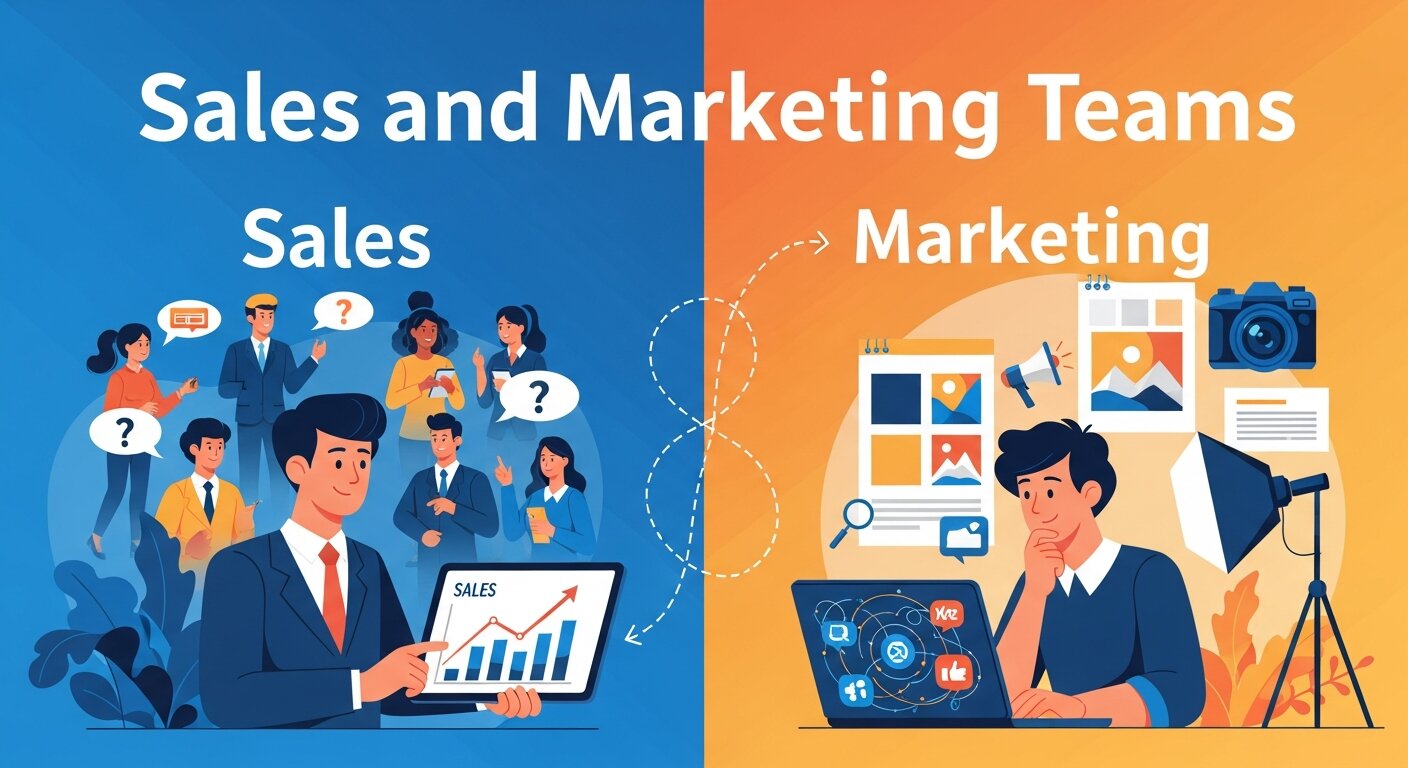
ABM success hinges on tight collaboration between sales and marketing teams. Sharing insights from account-level research ensures that both teams understand priorities, challenges, and engagement history. Marketing can provide personalized content and campaigns that support sales outreach, while sales can offer real-world feedback to refine messaging. Aligning objectives, KPIs, and communication strategies prevents wasted effort and creates a cohesive experience for high-value accounts. Regular joint planning sessions, combined with shared dashboards and reporting tools, allow teams to act on data collaboratively. This synergy increases conversion rates, shortens sales cycles, and maximizes the ROI of targeted ABM initiatives.
Optimizing Multi-Touch Campaigns
A multi-touch strategy ensures prospects experience consistent messaging across various channels, improving recall and engagement. Each touchpoint should complement others, whether it’s an email, a personalized ad, a webinar invite, or a social media interaction. By tracking engagement at every stage, marketers can determine which channels resonate most with each account and adjust campaigns accordingly. Layering multiple touches with relevant messaging strengthens brand credibility and reinforces value propositions. Combining online and offline approaches, while leveraging account insights, ensures each interaction feels purposeful and personal, increasing the likelihood that high-value accounts progress through the sales funnel efficiently.
Continuous Measurement and Iteration
ABM is an iterative process where data drives improvement. Tracking account-specific metrics such as engagement, pipeline growth, and conversion rates allows teams to understand what strategies work and where adjustments are needed. Regular analysis ensures campaigns remain aligned with account priorities and business objectives. Testing new personalization techniques, content formats, or delivery methods helps refine strategies over time. Integrating analytics platforms and CRM tools provides a holistic view of account behavior, enabling more intelligent decision-making. Continuous measurement ensures that resources are invested efficiently, messaging stays relevant, and ABM campaigns deliver measurable results consistently across high-value target accounts.
The Future of ABM: Personalization Is Non-Negotiable
Customization has long been a mighty weapon in the B2B toolbox, but in the ABM era, it’s become the main way to achieve the bottom line. No longer are we in the days of broad-stroke approaches where one message works for all. Today, firms are keen to know that you fully comprehend them as well as their discomfort factors and their aspirations.
When done right, personalization increases trust, builds relationships, and drives measurable outcomes. To get there, however, you need intentional strategies, the right tools, and cross-team alignment between marketers and sales reps.
Want to elevate your ABM approach and discover how personalization can power up your outreach? Get started with customized content and flexible tactics today. Show me the money! My training data goes up to October 2023.
Take your ABM strategy to new heights. So give personalized content a try today and see engagement like never before.
Frequently Asked Questions (FAQ)
1. What is ABM personalization?
ABM personalization is the practice of tailoring marketing and sales efforts to the unique needs, priorities, and pain points of specific target accounts. It goes beyond generic campaigns to deliver content, messages, and experiences that resonate with individual companies and decision-makers.
2. Why is personalization important in ABM?
Sophisticated B2B buyers expect relevant content and meaningful engagement. Personalization builds trust, improves engagement rates, and increases the likelihood of converting high-value accounts by addressing their specific challenges.
3. How do I segment my audience for ABM?
Segment accounts using firmographics, intent data, purchase behaviors, and account-level insights. Group similar accounts into meaningful clusters to deliver more precise messaging and campaigns tailored to each segment’s priorities.
4. What types of content work best for personalized ABM?
Content that performs well includes:
-
Industry-specific case studies
-
Blogs targeting account challenges
-
Personalized eBooks or whitepapers
-
Interactive tools like calculators or templates
-
Customized email campaigns
5. Which channels should I use for personalized ABM?
A multi-channel approach is most effective. This includes:
-
Personalized email outreach
-
Social media engagement, especially LinkedIn
-
Account-specific web experiences and landing pages
-
Webinars and virtual events
6. How do I measure the success of ABM personalization?
Track account-specific KPIs such as:
-
Engagement level per account (emails, downloads, clicks)
-
Time spent on personalized content
-
Qualified leads and pipeline growth per segment
-
A/B testing performance of personalized campaigns
7. What tools can help with ABM personalization?
CRM platforms like HubSpot, Salesforce, and Marketo, combined with ABM platforms such as LeanData or Demandbase, help centralize account insights, automate personalization, and measure engagement efficiently.
8. Can small businesses implement personalized ABM?
Yes. Even smaller teams can use account segmentation, repurposed content, and automation tools to deliver tailored campaigns effectively, without requiring huge budgets.
9. How do I create personalized web experiences for accounts?
Use dynamic content tools to show account-specific CTAs, feature relevant testimonials, and display content that aligns with the visitor’s industry or company. This enhances engagement and demonstrates understanding of the account’s needs.
10. What is the future of ABM personalization?
Personalization is becoming non-negotiable. Companies that integrate tailored strategies, leverage the right tools, and align marketing and sales teams will build stronger relationships, increase trust, and achieve better B2B results.