Account-Based Marketing (ABM) has steadily revolutionized the way B2B companies approach their sales and marketing strategies. Unlike traditional marketing methods that cast a wide net in hopes of catching a few leads, ABM narrows the focus to target high-value accounts with exceptional precision. It’s a strategy built on quality over quantity, where personalized approaches foster deeper relationships and, ultimately, drive higher ROI.
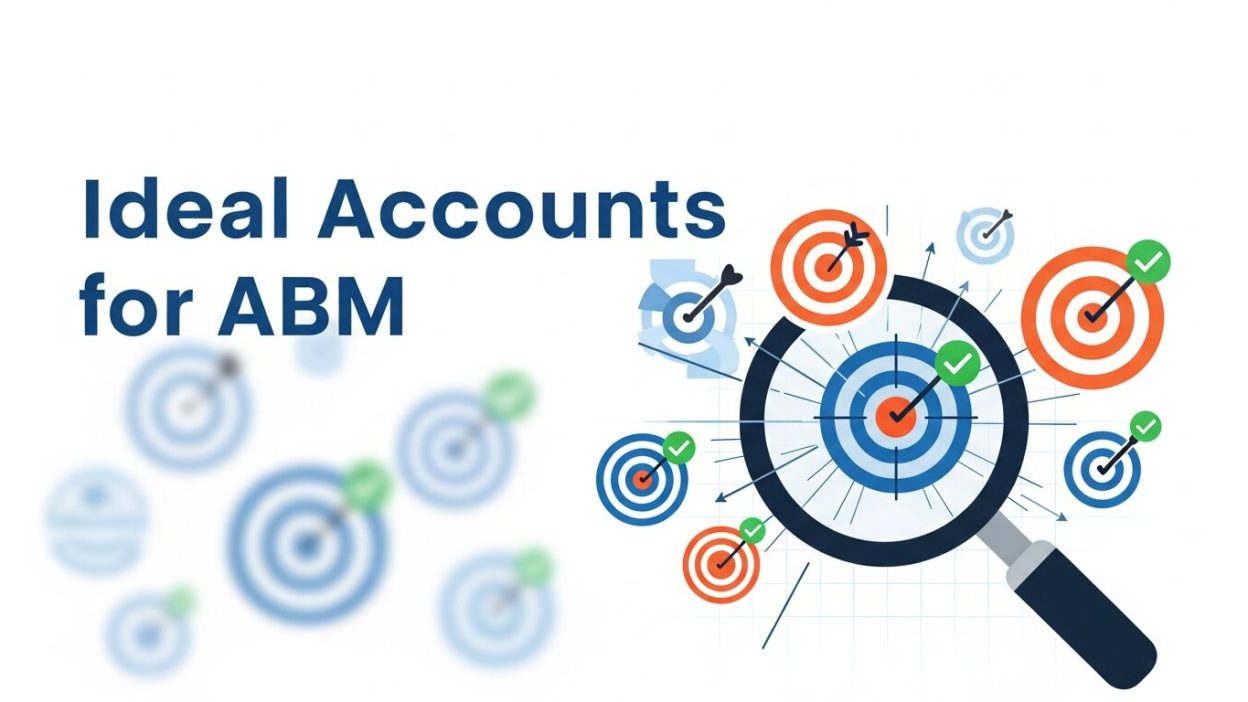
But one of the foundational pillars of a successful ABM strategy lies in identifying your ideal accounts. Not every prospect will be the right fit, and chasing after the wrong accounts only wastes valuable resources. This post breaks down how you can effectively identify your ideal accounts for ABM through a step-by-step process.
What Is Account-Based Marketing (ABM), and Why Does It Matter?
Account-Based Marketing is a highly focused business strategy where marketing and sales teams collaborate to target a specific set of high-value accounts. Instead of going after a broad audience, ABM zeroes in on businesses that are most likely to deliver significant value. Think of it as fishing with a spear rather than a net.
The Benefits of ABM
ABM offers several distinct advantages. For one, it increases marketing efficiency and aligns sales and marketing teams toward the same objectives. It also enables better personalization, which leads to stronger relationships with key decision-makers. Most importantly, ABM is all about maximizing the ROI by focusing on the accounts that matter most to your business.
However, the success of ABM hinges on one critical step: identifying the right target accounts. Without this, even the most polished strategies can fall flat. That’s why it’s essential to invest time and effort into narrowing down and selecting your ideal accounts.
Understanding Your Ideal Customer Profile (ICP)
Before you can identify the ideal accounts to target with ABM, you need a clear understanding of your Ideal Customer Profile (ICP). Think of your ICP as the blueprint for what your perfect customer looks like. Having a well-defined ICP helps you focus your efforts on accounts that align best with your product or service offering.
What Is an Ideal Customer Profile?

An ICP is a detailed description of a hypothetical customer that would appreciate and benefit most from your product or service. Unlike buyer personas that focus on individual characteristics, an ICP focuses on firmographics such as:
- Company size
- Industry or vertical
- Annual revenue
- Location
- Technological stack
- Purchasing behavior
Why Is the ICP Important for ABM?
ABM operates based on precision. Your ICP ensures that you’re targeting businesses that are not only a good fit but also have a higher likelihood of converting into long-term, profitable customers.
Steps to Create or Refine Your ICP
- Analyze Your Best Customers: Review your existing customer base to identify common traits among your most successful accounts. What industries do they belong to? What pain points did your product or service solve for them?
- Gather Cross-Departmental Input: Consult your sales, customer success, and marketing teams. Each has unique insights into what makes an account successful.
- Focus on Firmographics and Technographics: Look at firm-level data like company size and industry. Combine this with technographic data, such as what software or tools the company already uses.
- Identify Problems You Solve: Outline the challenges or goals that make a customer likely to seek your solutions. This will help you understand how you fit into their decision-making process.
- Document and Revisit Regularly: Your ICP isn’t static. Revise it periodically to reflect changing market trends or shifts in your business goals.
Data Collection and Analysis
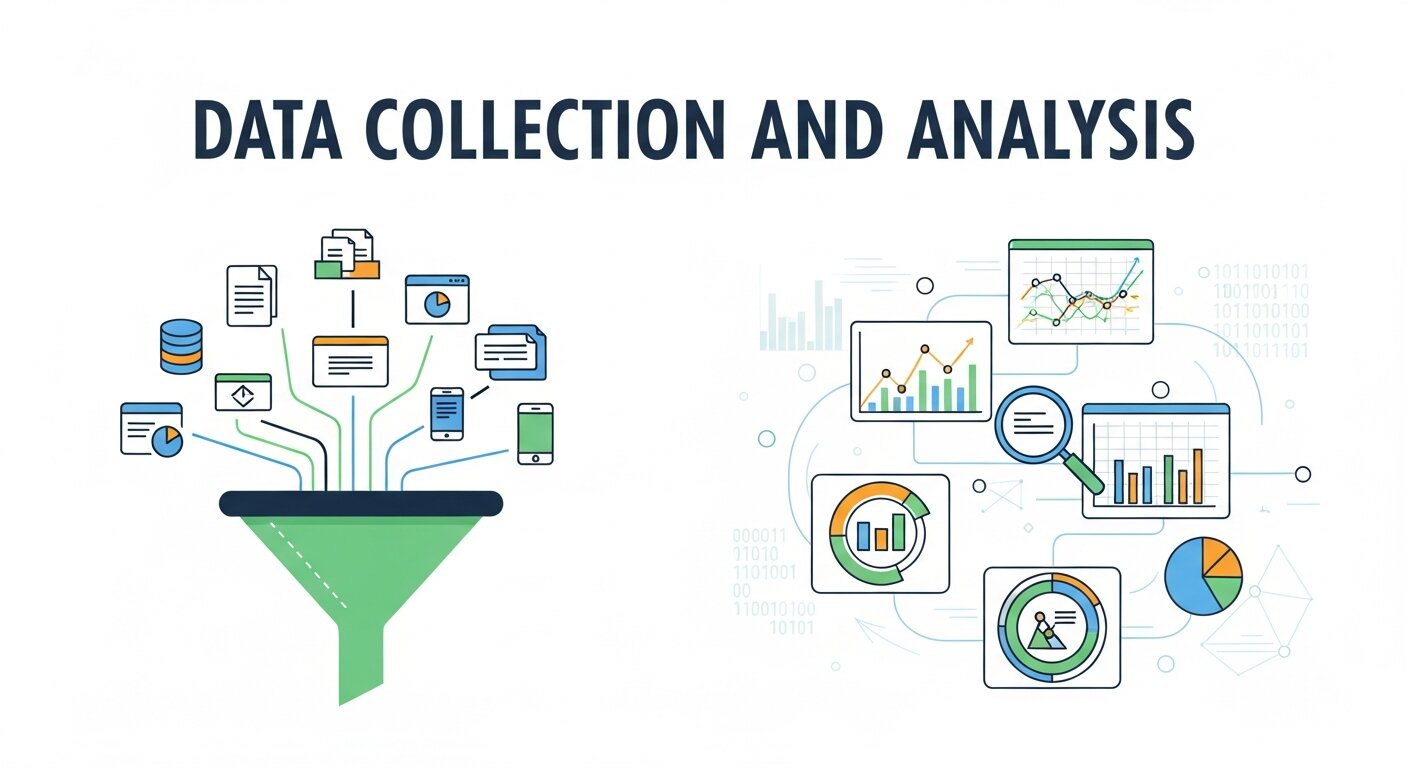
Once you’ve nailed down your ICP, the next step is to gather the data you need to identify accounts that match it. Data is the fuel that drives informed decision-making in ABM.
Where to Source Data
- First-Party Data: Use insights derived from your CRM, website analytics, and sales interactions. Look for engagement patterns and prospect behaviors.
- Third-Party Platforms: Turn to databases like ZoomInfo, LinkedIn Sales Navigator, and D&B Hoovers for access to broader, high-quality data on businesses.
- Intent Data: Platforms like Bombora and 6sense use intent signals to identify companies currently researching products or topics relevant to your offerings.
Analyzing Your Data
Raw data is only valuable if you can distill actionable insights from it. To analyze your data:
- Look for patterns related to purchase history, website engagement, or technology usage.
- Identify potential fit markers, such as specific industries or business sizes.
- Use data visualization tools like Tableau or Power BI to simplify complex datasets into digestible insights.
Tools and Techniques
Modern tools like AI-driven analytics platforms or ABM software can streamline this process. Platforms like HubSpot, Marketo, or Demandbase help automate the data collection and analysis stages for faster results.
Scoring and Prioritizing Accounts
Not every account that fits your ICP will be immediately worth pursuing. That’s where scoring systems come into play. Scoring helps rank accounts based on how well they match your ICP and their likelihood to convert.
How to Develop a Scoring Model
- Assign Weight to Criteria: Start with the key components of your ICP and assign scores based on their importance. For example, company size might be more critical than tech stack compatibility.
- Create Tiers: Divide accounts into tiers (e.g., A, B, C) based on their scores. Accounts in Tier A should be your highest priorities.
- Use Automation Tools: Employ tools like Pardot or Drift to automate the scoring process. These platforms can evaluate dynamic criteria like web engagement in real-time.
Factors to Consider for Prioritization
- Revenue Potential: High-value accounts that can generate significant ROI.
- Strategic Fit: Accounts that align well with your long-term business objectives.
- Engagement Level: Look at accounts actively engaging with your content or expressing purchase intent.
Validating Your Ideal Accounts
Even after identifying and scoring your accounts, it’s important to validate your assumptions. Not all high-scoring accounts will necessarily pan out.
How to Validate Accounts
- Customer Input: Test your assumptions by engaging directly with decision-makers at the account to understand their pain points and needs.
- A/B Testing: Experiment with different outreach approaches to see which accounts respond more effectively.
- Performance Metrics: Review data from pilot campaigns targeting key accounts, assessing response rates, engagement levels, and ROI.
Maintain Feedback Loops
After implementing your campaigns, collect ongoing feedback from the sales and marketing teams. Use this information to refine your ICP, scoring model, and overall ABM strategy for continuous improvement.
Building the Foundation for Long-Term Success
Identifying your ideal accounts is not just the first step in an ABM strategy; it’s the foundation for ensuring long-term success. By carefully defining your ICP, collecting and analyzing data, and implementing a solid scoring and validation process, you set your team up for higher conversions and stronger client relationships.
Integrating well-researched ABM practices into your workflow doesn’t just increase revenue; it builds a stronger alignment between marketing and sales teams, ensuring every action they take propels the business toward a common goal.
If you want to fine-tune your approach, consider exploring specialized ABM tools for scalability and efficiency. By doing so, you’ll not only keep up with competitors but maintain a lead.
Leveraging Market Intelligence for Smarter Targeting
Before finalizing your ideal account list, it’s essential to validate assumptions with broader industry insights. Many companies rely solely on internal CRM data, but expanding your perspective helps uncover untapped opportunities. When you conduct market research, you gain a deeper understanding of industry trends, competitor positioning, buyer expectations, and emerging demand patterns. This research can reveal underserved segments or growing verticals that align with your ICP. Combining qualitative insights, such as interviews and surveys, with quantitative data ensures more accurate targeting. By grounding your ABM decisions in verified market intelligence, you reduce guesswork and build a stronger foundation for long-term success and scalable growth.
Using Predictive Insights to Refine Target Lists
Modern ABM goes beyond static ICP matching. Advanced analytics now allow businesses to anticipate which accounts are most likely to convert. By applying predictive account-based marketing techniques, companies can analyze behavioral signals, historical deal data, and buying intent patterns to forecast opportunity readiness. This approach helps teams prioritize accounts that show early signs of demand rather than waiting for direct inquiries. Predictive modeling also identifies cross-sell or upsell potential within existing customers. Instead of reacting to market movements, your team becomes proactive, engaging prospects at the right time with relevant messaging. This significantly improves conversion rates while optimizing resource allocation across high-value accounts.
Building a Data-Centric Decision Framework
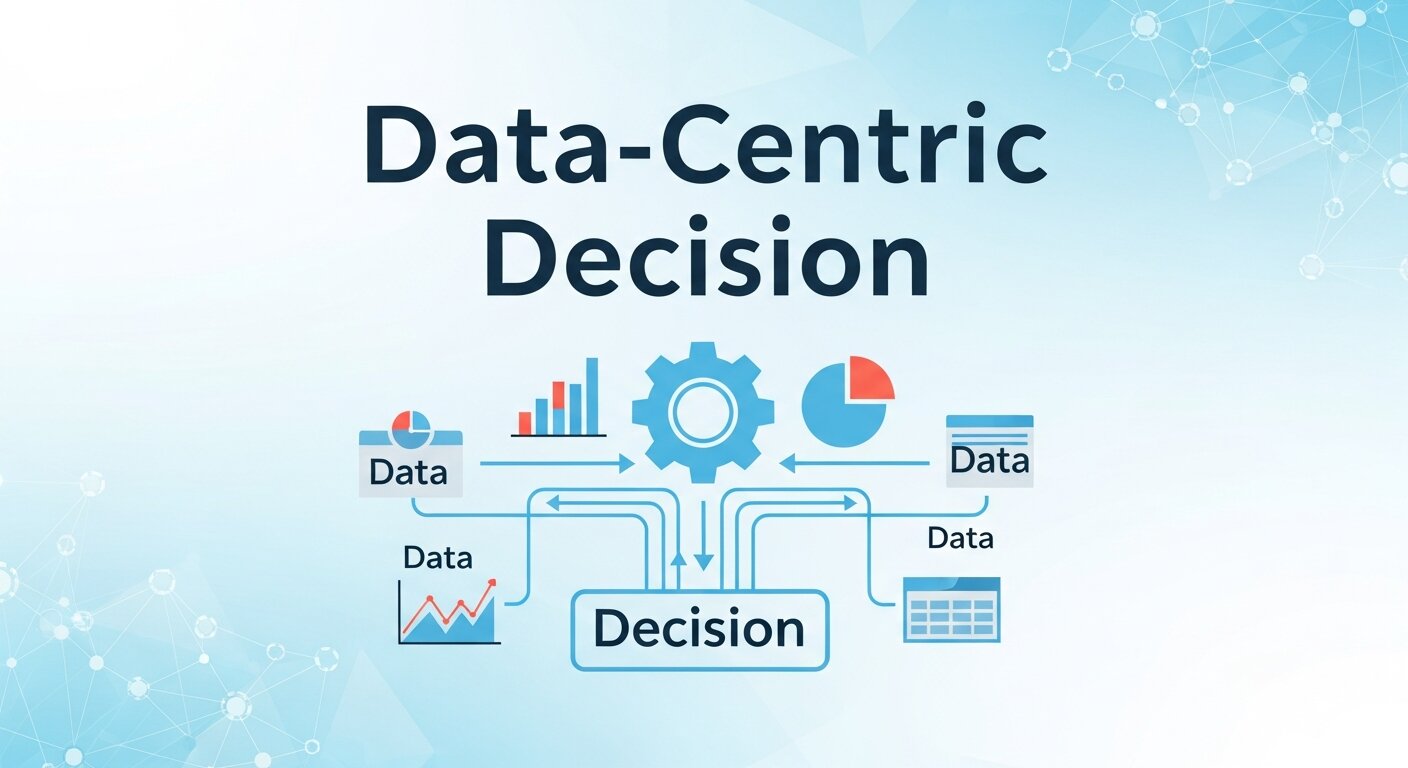
Successful ABM requires more than intuition—it demands structured decision-making processes. Establishing a data-driven ABM strategy ensures that every targeting choice is backed by measurable insights rather than assumptions. This means aligning marketing, sales, and analytics teams around shared dashboards, performance metrics, and account-level reporting. By consistently tracking engagement trends, deal progression, and revenue contribution, you can identify which types of accounts generate the highest lifetime value. Over time, these insights refine your ICP and scoring models. A strong data culture eliminates inefficiencies and encourages continuous improvement. When decisions are guided by performance evidence, your ABM campaigns become more precise, scalable, and profitable.
Strengthening Competitive Positioning Within Target Accounts
Identifying ideal accounts also involves understanding how your solution compares to competitors within those organizations. Many high-value prospects already use alternative providers, making differentiation critical. Conduct a competitive gap analysis to determine where your product offers stronger value, better pricing models, or superior integrations. Tailor your outreach to emphasize these advantages clearly and confidently. Highlight measurable outcomes, such as cost reduction or operational efficiency gains, to position your brand strategically. By aligning messaging with the specific weaknesses of competing solutions, you create urgency and relevance. This targeted positioning approach strengthens your credibility and increases the likelihood of winning complex B2B deals.
Creating an Iterative Account Optimization Process
Account identification should never be a one-time activity. As markets evolve, customer behaviors shift, and new technologies emerge, your targeting criteria must adapt. Implement a structured review cycle where account performance, engagement levels, and pipeline contribution are analyzed quarterly or biannually. Remove consistently underperforming accounts and replace them with higher-potential prospects based on updated insights. Encourage collaboration between marketing and sales to share qualitative feedback from real conversations. This iterative optimization process ensures your ABM program remains agile and competitive. By continuously refining your targeting strategy, you maintain alignment with business goals and sustain long-term revenue growth through smarter account selection.
Frequently Asked Questions (FAQ)
1. What is Account-Based Marketing (ABM)?
Account-Based Marketing (ABM) is a strategic B2B approach where sales and marketing teams collaborate to target a defined set of high-value accounts. Instead of broad lead generation, ABM focuses on personalized outreach to businesses that are most likely to generate significant revenue and long-term value.
2. Why is identifying ideal accounts important in ABM?
Identifying the right accounts ensures your resources are invested in prospects that align with your Ideal Customer Profile (ICP). Without proper targeting, even the best campaigns can fail to generate meaningful ROI.
3. What is an Ideal Customer Profile (ICP)?
An Ideal Customer Profile (ICP) is a detailed description of the type of company that benefits most from your product or service. It includes firmographic and technographic data such as company size, industry, revenue, location, and technology stack.
4. How is an ICP different from a buyer persona?
An ICP focuses on company-level characteristics (firmographics), while a buyer persona focuses on individual decision-makers within those companies, including their roles, motivations, and challenges.
5. What data sources help identify ideal ABM accounts?
You can use:
-
First-party data from your CRM and website analytics
-
Third-party platforms like ZoomInfo or LinkedIn Sales Navigator
-
Intent data platforms such as Bombora or 6sense
These sources help you find accounts that match your ICP and show buying intent.
6. What is account scoring in ABM?
Account scoring is a ranking system that evaluates how well a target account matches your ICP and how likely it is to convert. Scores are based on criteria like revenue potential, engagement level, strategic fit, and firmographic alignment.
7. How do you prioritize accounts in ABM?
Accounts are typically divided into tiers (e.g., Tier A, B, C) based on scoring. High-tier accounts receive more personalized, one-to-one campaigns, while lower-tier accounts may receive one-to-few or scalable outreach efforts.
8. How can you validate selected target accounts?
You can validate accounts by:
-
Engaging directly with decision-makers
-
Running pilot campaigns
-
Measuring engagement and response rates
-
Collecting feedback from sales teams
Validation ensures your targeting assumptions are accurate.
9. How often should you update your ICP?
Your ICP should be reviewed regularly—at least annually or whenever there are significant market changes, product updates, or shifts in business strategy.
10. What tools can support account identification and scoring?
Tools like HubSpot, Marketo, Demandbase, Pardot, and Drift help automate data collection, scoring, engagement tracking, and campaign execution, making your ABM strategy more scalable and efficient.