


Market research is the foundation of every successful startup, enabling founders to understand their target audience, validate ideas, and reduce risk. By combining audience analysis, competitive research, surveys, and secondary data, startups can make informed, data-driven decisions. A well-structured Market Research Playbook for Startups ensures clarity, consistency, and long-term business growth.
Launching a startup without proper market research is like building a product without knowing who needs it. Many founders rely on intuition, assumptions, or trends—but the most successful startups are built on structured research, real customer insights, and strategic analysis. A well-designed Market Research Playbook for Startups helps you understand your audience, evaluate competitors, validate ideas, and make data-driven decisions with confidence.
This guide walks you through the essential steps of how to do market research for a startup—from defining your target market and analyzing competition to collecting primary data and leveraging secondary insights—so you can build a stronger, more scalable, and customer-focused business.
Understanding Target Market
 A strong market research process begins with a clear understanding of your target audience, which is a core principle of any effective Market Research Playbook for Startups. If you don’t know who you are building for, your product, messaging, and strategy may miss the mark. Defining your audience is not just about assumptions—it requires thoughtful research, analysis, and structured planning.
Start by identifying your ideal customer. Look at essential demographic factors such as age, gender, income level, education, and geographic location. These details help you create a basic picture of who your audience is. However, an effective Market Research Playbook for Startups goes beyond demographics. You also need to explore psychographics—what motivates them, what frustrates them, what they value, and what influences their decisions.
Next, determine where your audience is most active. Do they spend their time scrolling through social media, reading industry blogs, participating in online forums, or attending professional events? Understanding their preferred platforms and habits will guide you in choosing the right channels for surveys, interviews, and engagement.
Equally important is identifying their biggest challenges. What problems are they trying to solve? Your startup’s value proposition should directly address these pain points. For instance, a startup offering eco-friendly cleaning products should focus on consumers who are concerned about sustainability, health, and environmental impact. Recognizing these needs allows you to conduct more focused and meaningful research within your Market Research Playbook for Startups.
By clearly defining your audience, you set a strong foundation for every other stage of your market research process. This clarity helps you make better decisions, refine your product, and build a brand that truly resonates with your target customers.
Tools to Define Your Audience
- Personas: Develop thorough customer personas for your audience segments. Free templates are available on platforms like HubSpot.
- Insights: When possible, leverage insights applications. Google Analytics or social media analytics audiences are good places to start.
The better your knowledge of your audience, the better you can speak to the people who will respond to your product. That’s a key aspect of how to do market research for a startup that resonates.
Competitive Analysis
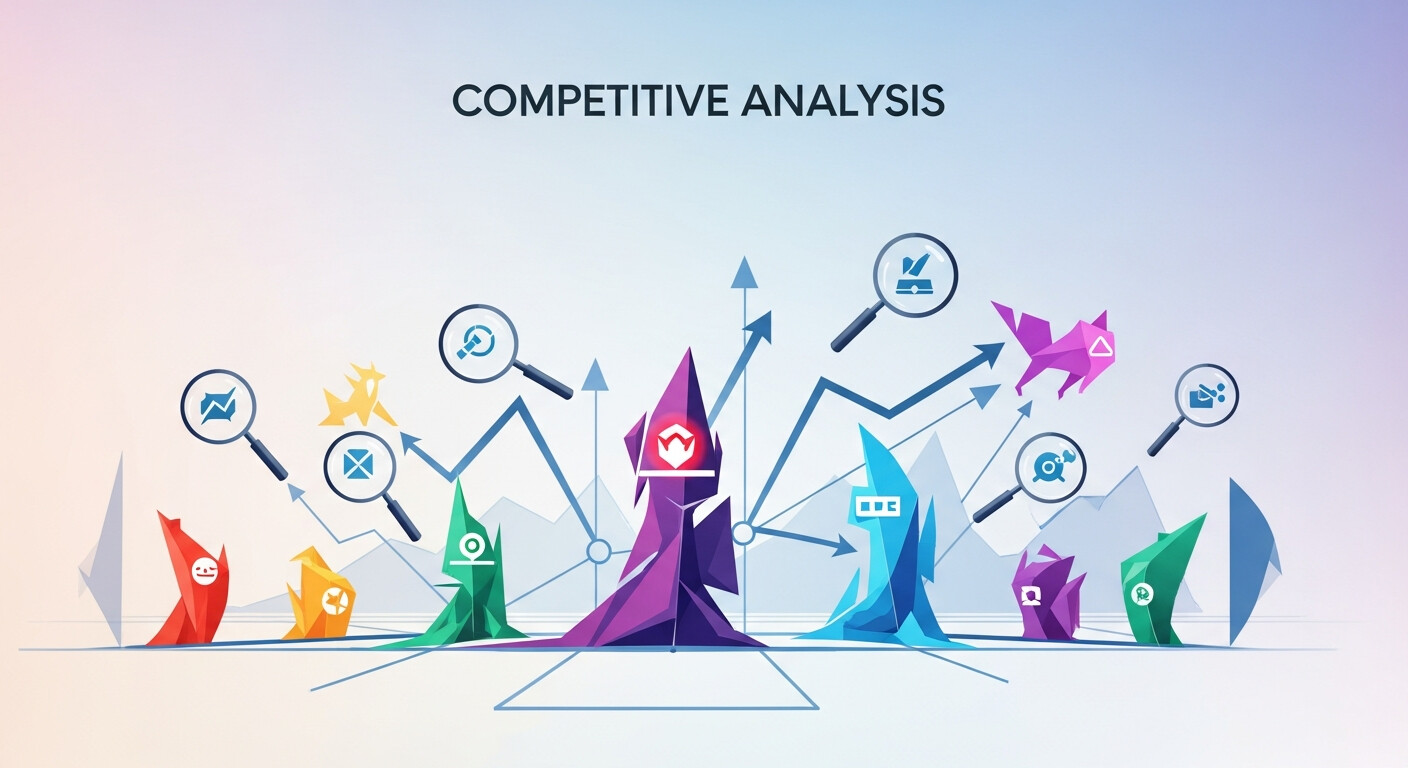 The more information you have about your competitors, the stronger your market position will be. A well-structured competitive analysis does more than just identify rivals—it helps you understand industry dynamics, uncover hidden opportunities, and refine your startup’s unique value proposition. Within a Market Research Playbook for Startups, competitive analysis plays a central role because it enables founders to make informed strategic decisions rather than relying on assumptions or intuition.
Understanding your competitors is a crucial part of how to do market research for a startup, as it allows you to position your brand more effectively, differentiate your offering, and avoid costly mistakes. By studying what others are doing well—and where they fall short—you can carve out a distinct space for your business in the market. This is why competitor research is considered a core pillar of any practical Market Research Playbook for Startups.
Steps to Analyze Competition
Identify your primary competitors:
Start by mapping out who you are competing against. These may include direct competitors offering similar products or indirect competitors solving the same customer problems in different ways. Even if a company doesn’t sell the exact same product, they could still be competing for the same audience and addressing similar pain points.
Evaluate their strengths and weaknesses:
Take a close look at their pricing strategy, brand positioning, marketing approach, customer engagement, and overall reputation. Analyze customer reviews, testimonials, and feedback to understand what users appreciate and what frustrates them. This helps you identify gaps where your startup can outperform.
Study their target audience:
Examine who their customers are and how they communicate with them. Are they targeting premium buyers, budget-conscious consumers, or a niche community? Understanding their audience can help you decide whether to compete directly or focus on an underserved segment.
Compare products and offerings:
Analyze their features, benefits, quality, and user experience. Determine what makes your solution different and more valuable. This insight is essential for crafting a compelling value proposition within your Market Research Playbook for Startups.
By systematically analyzing your competition, you gain deeper industry insight, sharpen your positioning, and strengthen your overall market research strategy. This step ensures that your startup enters the market with clarity, confidence, and a competitive edge—making competitor analysis an indispensable part of a strong Market Research Playbook for Startups.
Competitor Research Tools & Market Intelligence
 SWOT Analysis: Utilize this method to consider Strengths, Weaknesses, Opportunities, and Threats.
A key part of any Market Research Playbook for Startups is consistently monitoring competitor activity using the right tools and methods. Simply identifying competitors is not enough—you need to actively study their behavior, strategy, and performance over time.
Competitor Websites & Social Media:
Regularly visit competitor websites to analyze their messaging, product positioning, pricing, and customer engagement. Observe how they present their brand, what benefits they emphasize, and how they communicate with their audience. In addition, monitor their social media channels to track content strategy, audience interactions, promotions, and overall brand tone. This real-time observation helps you understand how they operate and how customers respond to them.
Market Intelligence Platforms (SEMrush, SimilarWeb, etc.):
Tools like SEMrush, Ahrefs, and SimilarWeb provide valuable insights into competitor website traffic, keyword rankings, and digital marketing strategies. These platforms allow you to analyze where competitors are gaining visibility, what search terms they are targeting, and how they drive online engagement. Leveraging such tools strengthens your Market Research Playbook for Startups by giving you data-driven insights rather than guesswork.
A comprehensive understanding of your competitors sharpens your own value proposition and helps you position your startup as a stronger alternative in the market. This step is essential in how to do market research for a startup effectively and strategically. As your research efforts grow, structured reporting becomes just as important as data collection. A well-organized framework such as Clear and Effective Strategies for Account-Based Marketing Reporting helps startups and marketing teams turn raw insights into actionable reports that align sales and marketing around measurable outcomes.
Key Market Research Tools for Startups
| Purpose | Tool | Use Case |
|---|---|---|
| Audience Insights | Google Analytics | Understand user behavior |
| Surveys | Google Forms, Typeform | Collect direct feedback |
| SEO & Competitors | SEMrush, Ahrefs | Analyze competitor traffic |
| Market Trends | Statista | Industry data & forecasts |
| Personas | HubSpot Templates | Define target customers |
Surveys and Questionnaires — Primary Research in Your Market Research Playbook for Startups
Surveys and questionnaires are among the most powerful tools for gathering first-hand customer insights. They allow startups to collect direct feedback, test assumptions, and refine business ideas based on real user experiences rather than guesses. When executed properly, surveys become a cornerstone of any well-designed Market Research Playbook for Startups that prioritizes data-driven decision-making over intuition alone.
Primary vs Secondary Research Methods
| Research Type | Description | Examples | Best Use Case |
|---|---|---|---|
| Primary Research | Data collected directly from users | Surveys, interviews, focus groups | Validating ideas, testing features |
| Secondary Research | Existing data from external sources | Industry reports, government data | Understanding trends, market size |
Developing Effective Questionnaires
Define the purpose clearly:
Before creating a survey, you must determine exactly what you want to learn. Are you testing demand, measuring satisfaction, or validating a feature idea? For example, a food delivery startup may want feedback on delivery speed, food quality, app usability, pricing fairness, or customer support experience. A clear objective ensures your questions stay focused and relevant within your Market Research Playbook for Startups.
Ask clear and unbiased questions:
Avoid leading, confusing, or overly complex questions that could influence responses. Instead of asking, “Don’t you think our app should have more features?” ask, “What features would improve your experience?” This approach encourages honest, thoughtful, and actionable feedback—an essential practice in any effective Market Research Playbook for Startups.
Use a mix of question types:
Combine closed-ended questions (multiple choice, rating scales, yes/no) with open-ended questions to capture both quantitative and qualitative insights. Closed-ended questions help you analyze data statistically, while open-ended responses reveal deeper motivations, frustrations, and expectations.
Keep the survey concise and engaging:
Limit your questionnaire to 10–15 well-structured questions to maintain respondent engagement and avoid survey fatigue. A shorter, well-crafted survey increases completion rates and improves data quality.
Test before full launch:
Share the survey with a small group of friends, colleagues, or early users to identify confusing wording, technical issues, or missing options. This step strengthens your Market Research Playbook for Startups by ensuring reliability before scaling distribution.
Distributing Your Surveys Effectively
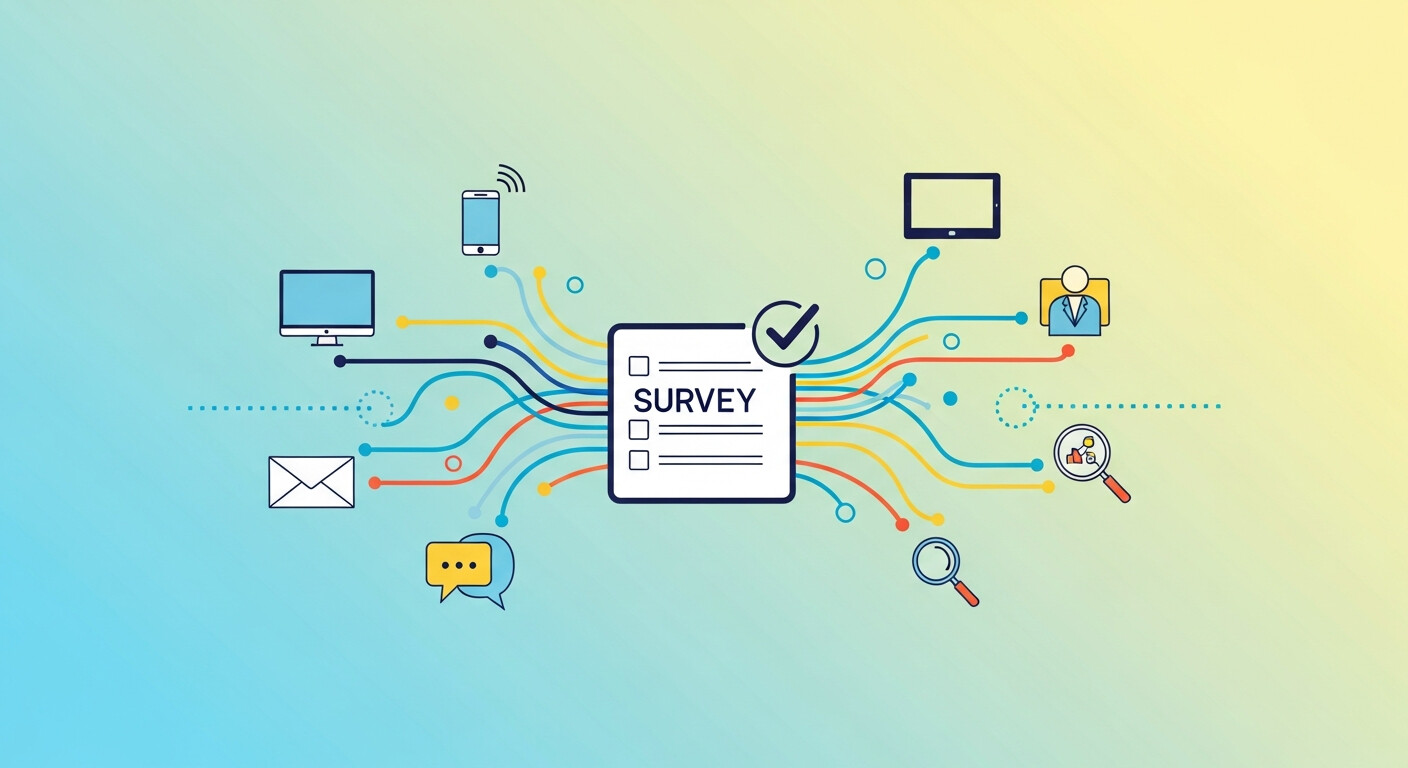 Email Distribution:
Use tools like Google Forms, SurveyMonkey, or Typeform to send surveys directly to your email list. Personalized invitations often lead to higher response rates and more thoughtful feedback.
Social Media Promotion:
Share your survey across platforms such as Instagram, LinkedIn, and Facebook to reach a wider audience. Use clear messaging about why participation matters and how it benefits respondents.
Paid Targeted Advertising:
Run targeted ads on social media or Google to reach specific demographics that match your ideal customer profile. This ensures you gather insights from the most relevant audience, strengthening your Market Research Playbook for Startups.
Surveys act as a direct bridge between your startup and your customers, helping you understand their expectations, preferences, frustrations, and decision-making behavior. They play a vital role in a practical Market Research Playbook for Startups by enabling lean, cost-effective, and highly actionable research.
Analyzing Secondary Data — Strengthening Your Market Research Playbook for Startups
 Market research does not always require starting from scratch. Secondary research—using existing data sources—can provide valuable industry insights quickly and efficiently. This is especially useful for startups with limited budgets and resources, making it an essential element of a strong Market Research Playbook for Startups.
Where to Find Secondary Data
Government Reports:
Agencies like the U.S. Census Bureau or local statistical departments provide detailed demographic, economic, and consumer behavior data that can help you identify market trends and opportunities.
Industry Publications:
Trade journals, research reports, and industry white papers from organizations like Statista, Nielsen, or Gartner offer in-depth analysis of market size, growth trends, and consumer behavior.
Academic Research:
Universities frequently publish studies on consumer psychology, technology adoption, and industry evolution, which can add credibility to your Market Research Playbook for Startups.
Competitor Case Studies:
Analyzing case studies of successful companies in your industry helps you understand what strategies worked, what failed, and why—saving you from costly mistakes.
How to Use Secondary Data Effectively
Validate market trends:
Compare your survey findings with existing research to confirm whether your observations align with broader industry patterns.
Refine your target market:
Use secondary data to identify high-potential customer segments and adjust your positioning accordingly.
By combining primary research (surveys) with secondary research (existing data), you build a more comprehensive, reliable, and strategic Market Research Playbook for Startups. This integrated approach helps you make smarter, more confident business decisions.
Final Thoughts — Bringing It All Together
“Even without me” reflects the power of a strong Market Research Playbook for Startups—built on systems, insights, and strategy rather than intuition. Understanding How to Measure Account Based Marketing Success helps you track impact as you scale. Start your market research today to build a stronger, more sustainable business.
Frequently Asked Questions (FAQ)
1. Why is market research important for startups?
Market research reduces risk by helping startups understand customer needs, validate ideas, and make data-driven decisions before investing time and money.
2. What is a Market Research Playbook for Startups?
It’s a structured guide that outlines how to research your target market, analyze competitors, collect data, and turn insights into strategic actions.
3. How much market research should a startup do?
Enough to confidently validate assumptions. Start lean with surveys and secondary research, then deepen your research as the business grows.
4. What’s the difference between primary and secondary research?
Primary research involves collecting original data (surveys, interviews), while secondary research uses existing data (reports, studies, analytics).
5. Can market research be done on a small budget?
Yes. Free tools like Google Forms, social media polls, public reports, and basic analytics make effective research accessible to early-stage startups, especially when learning How to Promote Your Digital Marketing Agency on Social Media.


