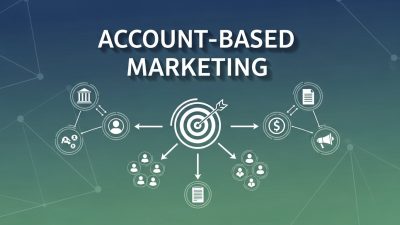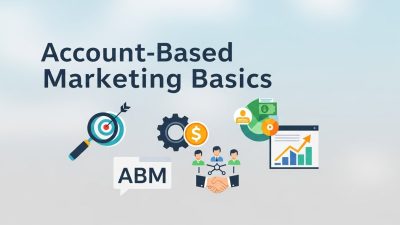
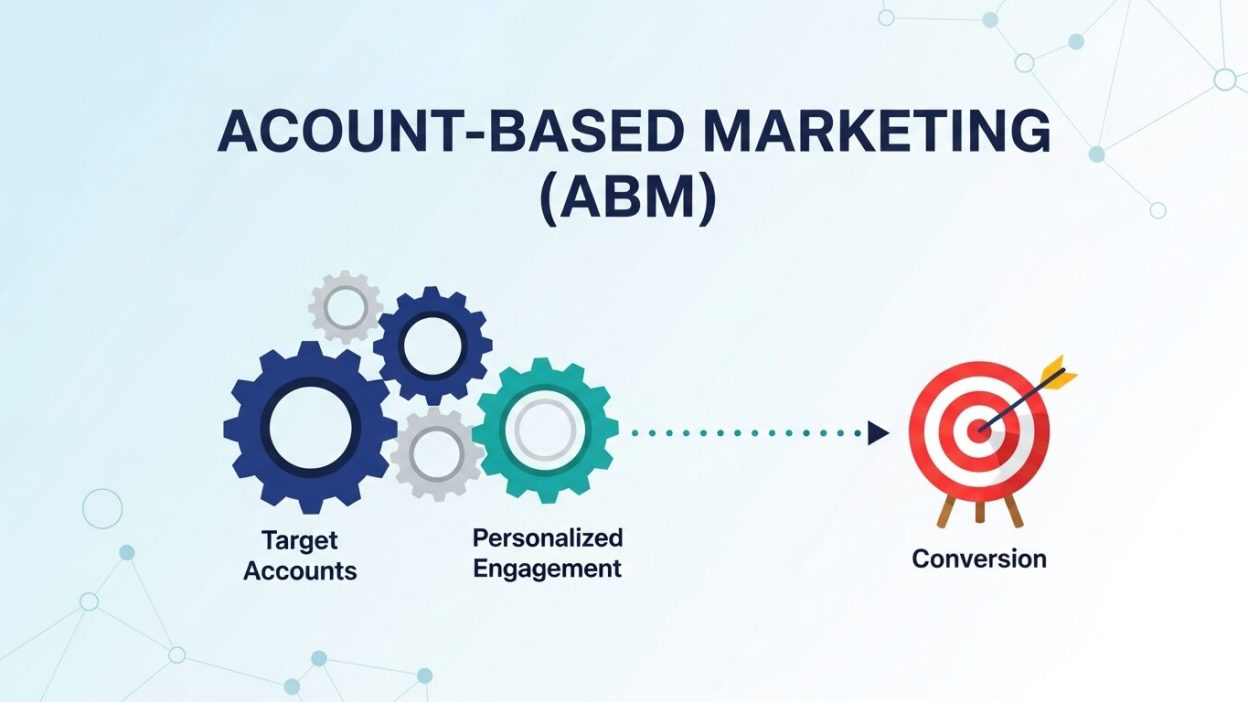
Account-Based Marketing (ABM) is revolutionizing the way companies engage and interact with their most important customers. “By moving away from generic methods to reach out to entire audiences, to a more targeted account-based approach, ABM gives organizations a more effective way of engaging, and can drive substantial revenue”.
You might be wondering, “What are the key steps to account-based marketing and sales?” This guide is here to help. In this article, we’ll dive into exactly what ABM is, why it’s the bee’s knees, and parse out the key steps to successful implementation.
ABM: Account-Based Marketing – What is the Definition of “ABM”?
The idea of treating a few accounts as markets in their own right is the founding principle of Account-Based Marketing, a hyper-focused strategy where you market directly to individual accounts (companies or organizations). Rather than spraying and praying, this approach focuses on high-value accounts that salespeople want to talk to, and personalized messaging to speak to their pain points and priorities.
It is perhaps a “key account” method of marketing. ABM brings marketing and sales together to develop tailored campaigns to high-value accounts with the goal of making stronger personal connections and better ROI.
Step 1: Distinguish High-Value Accounts
The starting point for ABM is finding the accounts you should be going after. Not all customers are equally valuable, and this phase is about identifying the accounts most likely to deliver revenues for you, and that align with your company long-term.
How-to Articles: How to Identify Potential High-Value Accounts
- Define the Ideal Customer Profile (ICP): Identify what your most valuable customers have in common, e.g., company size, industry, revenue and pain points. Leverage data and insights from top existing performing customers.
- Use Analytics Tools: Platforms such as HubSpot, Salesforce, and Market make it relatively easy to pick out accounts that are regularly interacting with your website or content. These warm leads are leads worth giving some extra TLC.
- Work with Sales Teams: Your sales team likely has some of the most valuable insights into potential prospects. Leverage their findings to build out your data-backed strategy.
Choosing the right accounts is an essential first step to the rest of your ABM strategy.
Step 2: Research and Understand Your Target Accounts
Once you know which high-value accounts you’re targeting, the next step is learning as much as you can about them. When you account-based research your target accounts, your marketing will become exponentially more relevant and speak to what your audience cares most about.
Key Areas to Research:
- Company Insights: Gain access to emerging and established businesses, get to know recent uptake in their innovation, issues they are facing and future prospects in the sector technology trends.
- Key Decision-Makers: Find out and describe those people who take decisions to purchase and describe their organizational roles.
- Pain Points and Goals: Research problems and objectives related to the company of interest. For example, do they simply want to save money, become more efficient or expand their market share?
Tools for Research:
- LinkedIn: Perfect fit for reaching professionals and decision makers.
- Company Sites/Blogs: Get the latest info and news.
- Market Research Tools such as Crunchbase/ZoomInfo: Information on the company.
Such a study means you can plan more, so your engagement is adding value and not just hoping for the best.
Step 3: Build Out Personalization and Campaigns for Relevant Content
And now that your homework is done, it’s time to develop targeted content and campaigns designed for each account. ABM is built on personalization and that is one of its weapons.
Personalized Content Formats:
- Email Series: Develop strategic email sequences to speak to the problem at hand or to show them a specific solution.
- Customized Landing Pages: Generate distinct web pages for targeted accounts, in their industry speak and with their goals and objectives.
- Case Studies: Highlight the way your organization has solved similar problems for other customers that are in the same industry as the account.
- Webinars and Videos: Create material that enables lead decision-makers to experience your solution in action for their particular use case.
Why Personalization Matters:
When potential buyers encounter content that speaks to their specific problems, it captures their attention and instills trust. Here, personalization allows you to talk to them in their language and frame your business, not as a vendor, but as a partner with skin in the game for helping them reach their objectives.
Step 4: Get the Right People on Board
Good ABM isn’t selling to one person; it’s winning over the buying committee. The B2B buying decision, on average, involves 6–8 stakeholders, all of them with different concerns. Engaging the right people in a meaningful way is key.
Stakeholder Engagement Tips:
- Multi-Channel Outreach: Leverage emails or phone calls, LinkedIn messages and even events or webinars to approach the key people.
- Establish Trust Over Time: Begin with informational rather than aggressive sales content.
- Use Sales and Marketing Alignment to Your Advantage: Collaborate with your sales reps to make sure everyone is armed with the same messaging when talking to decision-makers.
By allaying the fears of each decision-maker, you make the sales cycle easier for everyone and more successful.
Step 5: Measurement and Optimization of Your ABM Strategy
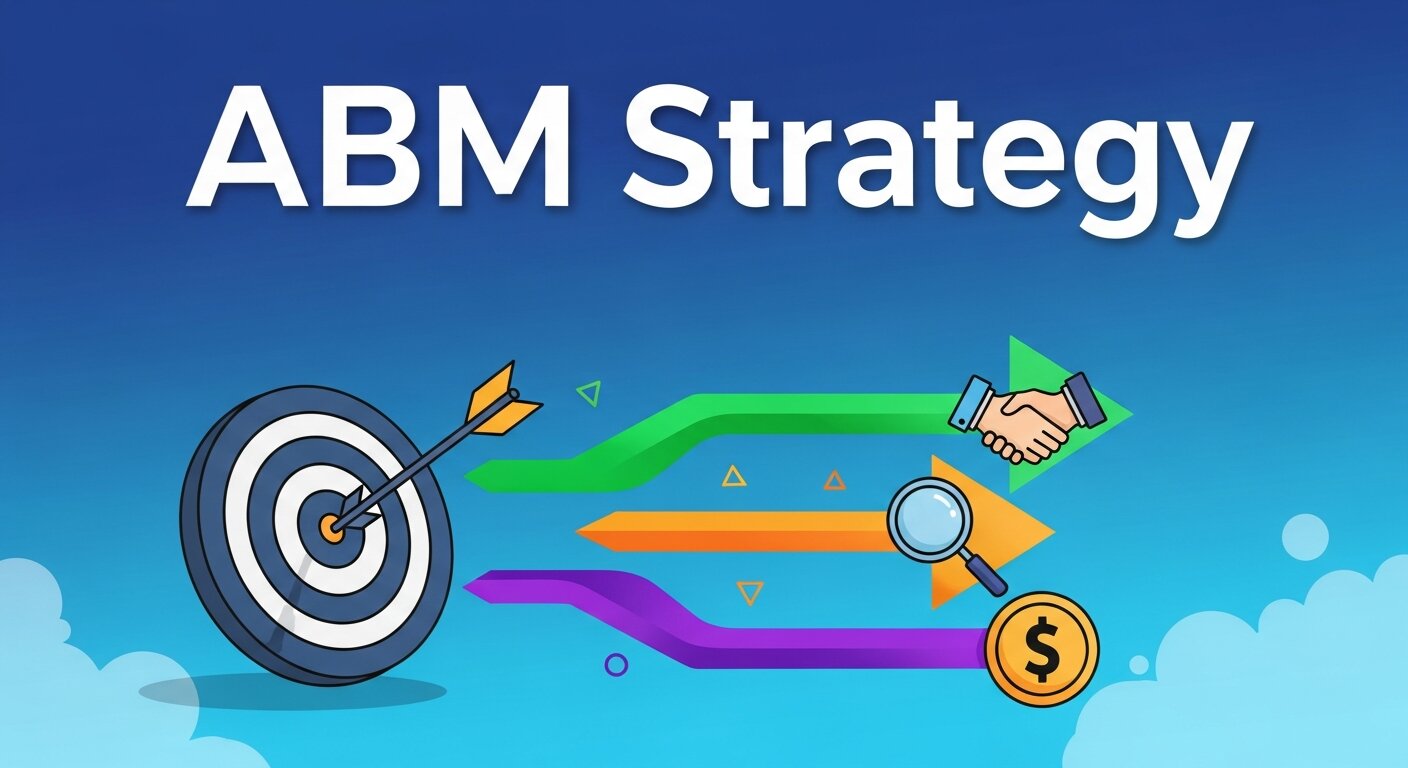
Just as any marketing strategy would, ABM needs to be monitored and fine-tuned. Measuring performance allows you to see what’s working out and what you can work on.
Key Metrics to Track:
- Account Engagement Rates: Are your targets reading emails, attending webinars, or coming to your website?
- Pipeline Velocity: Are ABM deals moving through your sales pipe faster?
- Return on Account: Measure how much money you made for how much it cost.
Tools to Measure and Track:
Market, Terminus, and Salesforce provide deep insights into account engagement and conversion metrics. Leverage these to measure the performance of your campaign and to decide what to do based on the data.
By constantly measuring your efforts, you are guaranteed to make improvements, and you will stay effective at whatever it is you set out to accomplish.
Aligning ABM with Industry-Specific Needs
Different industries require different ABM approaches. For example, compliance-heavy sectors demand highly tailored messaging that addresses regulatory concerns and risk mitigation. In sectors like finance and SaaS, personalization must reflect a deep understanding of operational challenges and growth pressures. A strong example is Account-Based Marketing for Fintech, where messaging often centers around security, scalability, compliance frameworks, and digital transformation. Instead of generic outreach, marketers must demonstrate awareness of industry pain points and technological demands. By customizing campaigns according to vertical-specific priorities, companies can increase credibility and shorten trust-building cycles. Industry alignment ensures that outreach feels relevant, strategic, and valuable rather than promotional or surface-level.
Building a Strong Content Framework for ABM
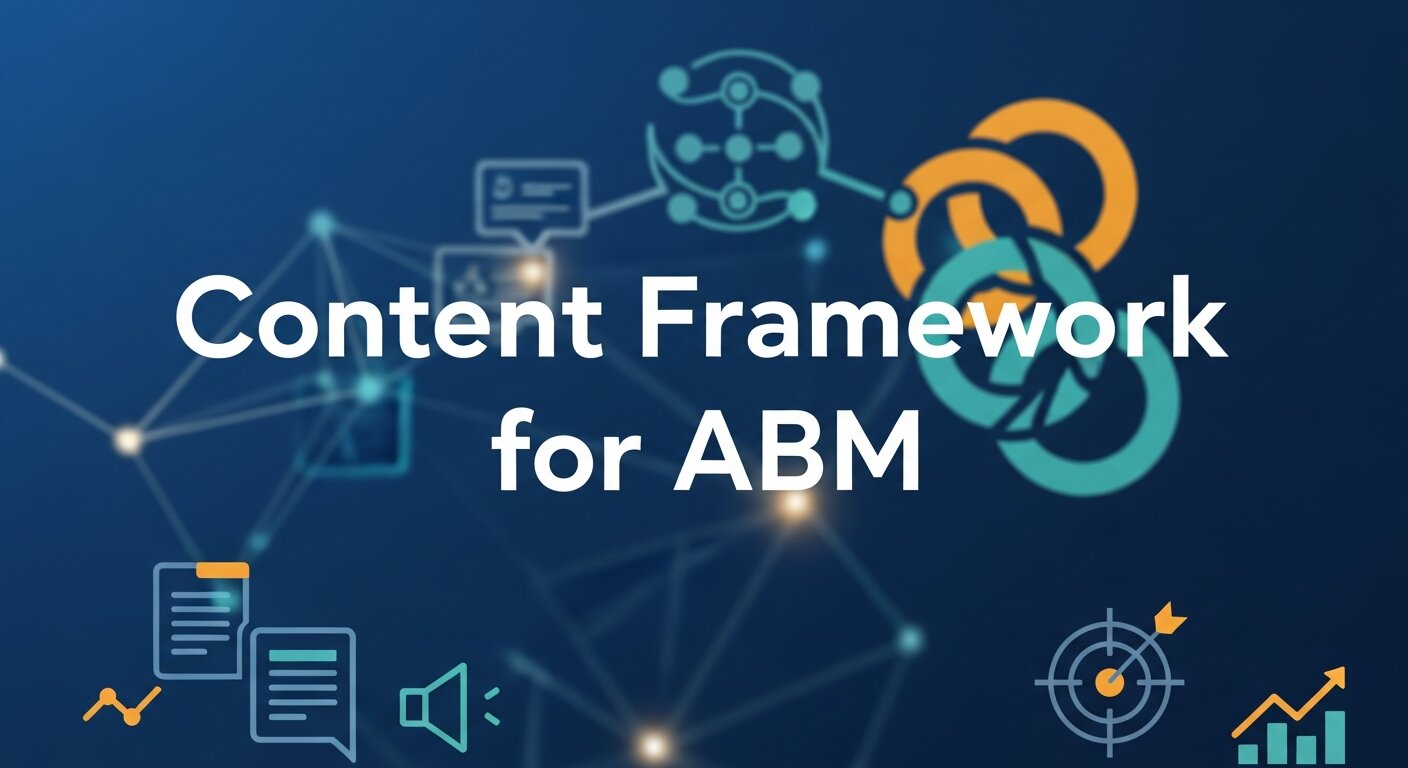
Content is the backbone of any successful ABM campaign. Without a structured approach, personalization can quickly become inconsistent and ineffective. A clear Account Based Marketing Content Strategy outlines what type of content is delivered at each stage of the buying journey. Early-stage accounts may require educational insights and thought leadership, while mid-stage prospects need case studies and ROI-focused materials. Late-stage stakeholders benefit from detailed proposals, demos, and executive summaries. Organizing content around account tiers also improves scalability. When messaging aligns with account maturity and stakeholder roles, engagement improves significantly. Strategic content planning ensures that every touchpoint moves the target account closer to conversion.
Leveraging Social Platforms for Account Engagement
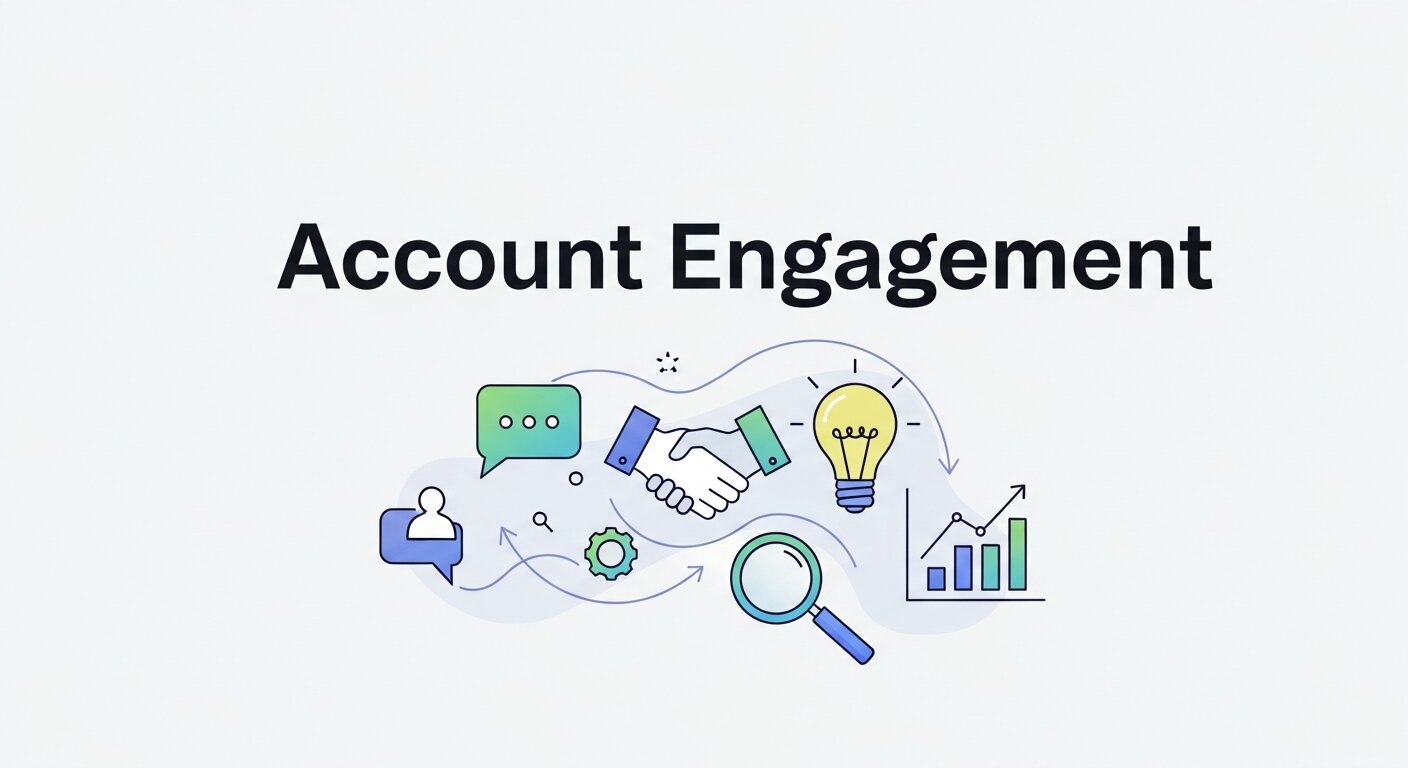
Social media platforms play a powerful role in strengthening ABM campaigns. Beyond paid ads, social engagement allows marketing and sales teams to build familiarity and trust with decision-makers over time. LinkedIn Account Based Marketing enables businesses to connect directly with executives, share tailored insights, and promote personalized sponsored content to specific companies. Instead of broad audience targeting, marketers can narrow campaigns to chosen accounts and job titles. This increases relevance while reducing wasted ad spend. Sales representatives can also engage with posts, comment thoughtfully, and nurture relationships organically. When social selling is integrated into ABM, it amplifies personalization and keeps your brand visible within target organizations.
Integrating ABM with Broader Marketing Efforts
ABM does not need to function in isolation. In fact, integrating it with your broader Inbound Marketing efforts can significantly enhance performance. While inbound attracts general interest and builds brand authority, ABM focuses on converting high-value accounts through personalization. Content created for inbound campaigns—such as whitepapers, webinars, and blogs—can be repurposed and customized for target accounts. This alignment ensures consistent messaging across all touchpoints. Marketing automation tools can identify when a target account engages with inbound content and trigger personalized follow-ups. By combining targeted outreach with strong brand presence, businesses create a comprehensive growth engine that supports both acquisition and long-term relationship building.
Scaling ABM Through Tiered Account Segmentation
As organizations grow, managing personalization across dozens or hundreds of accounts can become complex. A tiered segmentation model helps maintain efficiency without sacrificing relevance. High-priority accounts receive one-to-one campaigns with deep customization, while mid-tier accounts are grouped into industry-specific clusters for one-to-few strategies. Lower-tier accounts may receive automated but still personalized messaging. This structured approach allows teams to allocate resources strategically based on potential revenue impact. Clear segmentation also helps sales and marketing align expectations and workflows. By balancing personalization with scalability, businesses can expand their ABM initiatives while preserving the relationship-driven focus that makes the strategy successful.
The Future of ABS and ABM
ABM isn’t new and cool anymore—it’s a critical survival tactic for those looking to succeed in B2B markets. As AI and intelligence analytics evolve, ABM is becoming more accurate, more scalable and more available. Whether your business is a company of five or one with a global footprint, ABM makes it possible strategically to grow your relationship with the accounts you value most.
For companies interested in growing those relationships and maximizing ROI, it’s clear. Begin with baby steps, keep at it, and keep developing your approach as your ABM strategy matures.
Interested in how to get started with ABM? Check out our other guides or arrange a call with a member of our team to start your journey today. OK Policy to help today.