Connecting with consumers requires more than generic broadcasts; it demands tailored interactions that speak directly to individual preferences. Implementing the Top Personalized Marketing Strategies transforms casual browsers into loyal brand advocates. Discover how targeted approaches can elevate your outreach and dramatically boost customer engagement today.
This comprehensive guide explores exactly how to craft bespoke customer journeys that drive measurable growth. You will uncover actionable methods to deploy dynamic content, behavioral email triggers, and predictive product recommendations. By reviewing expert tips, avoiding common pitfalls, and analyzing top software tools, you gain everything needed to launch highly effective, data-driven campaigns.
Understanding the Shift Toward Individualized Experiences
The modern consumer encounters thousands of promotional messages daily. To cut through this massive wall of noise, brands must pivot from traditional mass broadcasting to highly targeted, individualized communication. Shoppers no longer tolerate irrelevant promotions; they expect brands to understand their unique needs, browsing habits, and purchase history. When a company demonstrates this level of understanding, it builds a foundation of trust that generic advertising simply cannot match.
Deploying Top Personalized Marketing Strategies allows your brand to simulate a one-on-one relationship with millions of customers simultaneously. By leveraging data analytics, artificial intelligence, and automated delivery systems, you can ensure that every single interaction feels bespoke. This tailored approach dramatically improves the overall customer experience, leading to sustained engagement, increased average order values, and long-term brand loyalty. Understanding the mechanics behind this shift is the first step toward revolutionizing your marketing ecosystem.
Key Benefits of Personalized Marketing

Before diving into specific tactics, it is vital to understand exactly why tailoring the customer journey yields such incredible returns on investment. The advantages extend far beyond a simple increase in immediate sales; they fundamentally change how consumers perceive and interact with your brand over their entire lifetime.
Skyrocketing Conversion Rates and Revenue
When you present a shopper with products, content, and offers that align perfectly with their current needs, the friction preventing a purchase dissolves. A customer searching for winter running gear is far more likely to convert if your homepage instantly highlights thermal jackets rather than a generic seasonal sale. By serving relevant content at the exact moment of intent, customized campaigns drastically reduce bounce rates and accelerate the path to purchase. Customers spend less time searching for what they want and more time checking out.
Building Unshakeable Brand Loyalty
Consumers naturally gravitate toward environments where they feel understood and valued. When a brand consistently delivers relevant recommendations, remembers past purchases, and acknowledges customer preferences, it fosters a deep sense of loyalty. This emotional connection makes it incredibly difficult for competitors to steal your market share. Shoppers will actively choose your brand over a cheaper alternative simply because you provide a superior, frictionless shopping experience tailored specifically to them.
Optimizing Marketing Spend and ROI
Casting a wide net with generic advertisements wastes a significant portion of your marketing budget on audiences who have zero interest in your offerings. Customized marketing allows you to allocate your resources efficiently by targeting specific segments with high purchase intent. Instead of paying for impressions from unqualified leads, you invest in engaging users who exhibit clear buying signals. This precision dramatically lowers your customer acquisition cost while maximizing your return on ad spend.
Highly Effective Strategies for Immediate Implementation
To truly capitalize on customer data, you must move beyond simply inserting a first name into an email subject line. Advanced personalization requires a multi-layered approach that adapts to consumer behavior in real time.
Dynamic Website Experiences
Your website should function like a highly attentive salesperson who instantly adapts the showroom based on the customer walking through the door. Dynamic website personalization involves changing the banners, hero images, and navigation menus based on user data. If a returning customer frequently purchases vegan skincare products, your homepage should immediately highlight the newest vegan arrivals. You can utilize location data to promote weather-appropriate clothing, or use referral sources to display messaging aligned with the specific social media ad the user clicked. This ensures that the onsite experience feels entirely relevant from the very first second.
Predictive Product Recommendations
Artificial intelligence has revolutionized how we suggest products to consumers. Predictive recommendation engines analyze millions of data points, including past purchases, browsing history, search queries, and the behavior of similar users, to anticipate exactly what a customer will want next. These recommendations can be deployed as “Frequently Bought Together” modules on product pages to increase average order value, or as “Recommended for You” sections on the homepage. By continuously learning from user interactions, these AI-driven engines become increasingly accurate, creating a highly addictive product discovery experience.
Behavior-Triggered Lifecycle Emails
Email remains one of the most powerful channels for customized engagement, provided you move past generic weekly newsletters. Behavior-triggered sequences automatically send highly relevant messages based on specific actions a user takes.
- Welcome sequences tailored to the exact lead magnet the user downloaded.
- Abandoned cart reminders that feature the exact items left behind, perhaps offering a time-sensitive discount.
- Replenishment campaigns sent precisely when a consumable product (like coffee or dog food) is likely running low.
These automated emails boast massive open and click-through rates because they respond directly to the user’s immediate context and timing.
Contextual Retargeting Campaigns
Many visitors will leave your site without making a purchase, but that does not mean the engagement must end. Contextual retargeting involves serving highly specific advertisements to users as they browse other websites or social media platforms. If a shopper spends ten minutes looking at a specific tent on your outdoor gear site, your retargeting ads should feature that exact tent, perhaps highlighting user reviews or a limited-time free shipping offer. This dynamic creative optimization ensures that your advertisements remind the user of their specific abandoned interest, drawing them back into the sales funnel.
Personalized Loyalty Programs
Loyalty programs offer a goldmine of first-party data, allowing you to reward your best customers with bespoke perks. Instead of offering a generic points system, tailor your rewards to individual behavior. If a loyalty member consistently buys a specific brand of running shoes, offer them early access to that brand’s new releases. Send personalized birthday gifts based on their favorite product categories. By making the rewards highly relevant, you incentivize continued engagement and transform your loyalty program into a powerful retention engine.
Comparison of Leading Personalization Tools
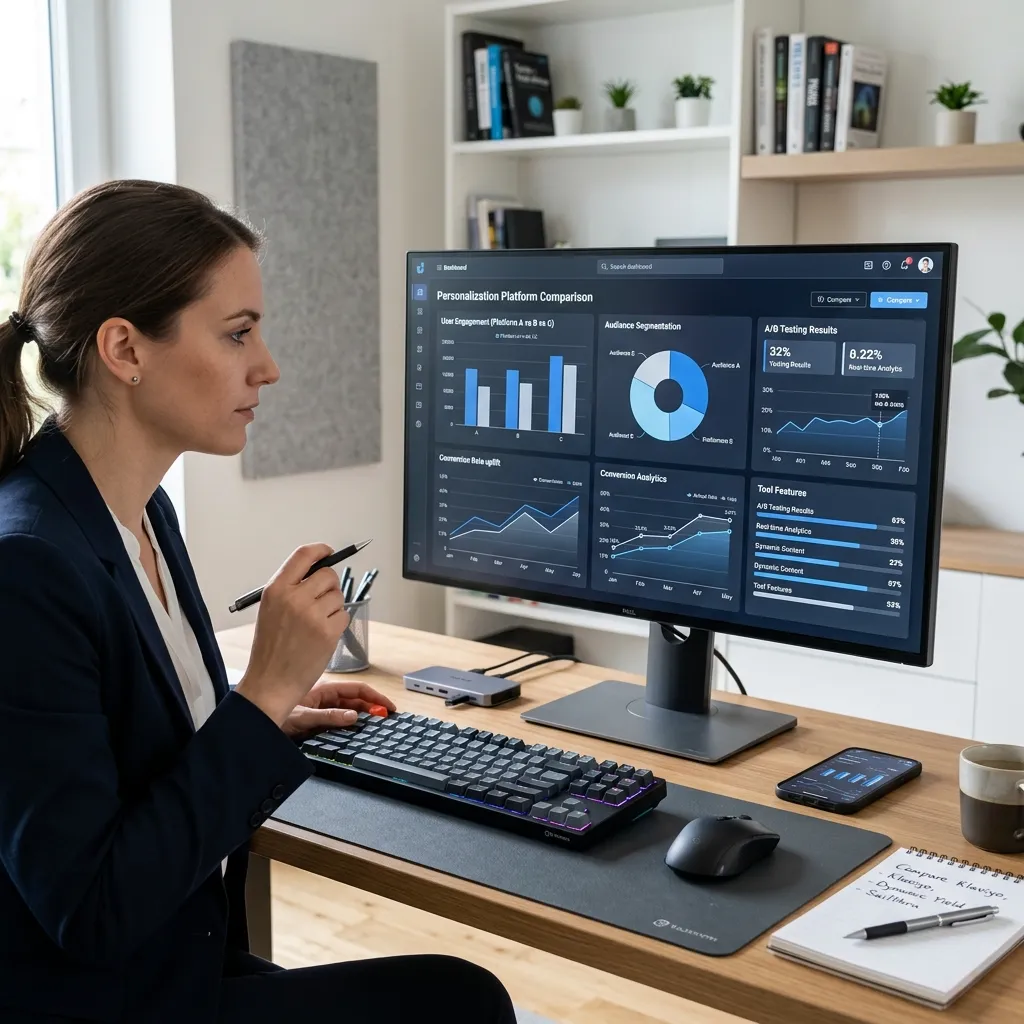
Choosing the right technology is critical for executing these strategies at scale. Below is a structured comparison table outlining some of the top platforms available to help you build tailored customer journeys.
|
Platform Name |
Primary Strength |
Best Suited For |
Key Features |
|---|---|---|---|
|
Bloomreach |
AI-driven product discovery |
Large eCommerce enterprises |
Predictive merchandising, semantic search, omnichannel orchestration. |
|
CleverTap |
Mobile app engagement |
App-first consumer brands |
Real-time behavioral analytics, push notifications, lifecycle optimization. |
|
Dynamic Yield |
Experience optimization |
Mid-market to enterprise retail |
A/B testing, dynamic content blocks, advanced audience segmentation. |
|
Insider |
Cross-channel journey building |
Brands needing unified data |
WhatsApp integration, predictive intent algorithms, seamless CDP. |
|
OptinMonster |
On-site conversion rate optimization |
Small to mid-sized businesses |
Exit-intent popups, progressive profiling, easy integration. |
Expert Tips to Elevate Your Campaigns
Executing customized campaigns requires a delicate balance of data science and marketing psychology. To ensure your efforts resonate without causing friction, apply these advanced expert insights to your workflow.
Prioritize Zero-Party Data Collection
Relying entirely on tracking pixels and third-party cookies is becoming increasingly difficult due to privacy regulations. Instead, prioritize zero-party data—information that a customer intentionally and proactively shares with your brand. Implement interactive quizzes, preference centers, and conversational pop-ups that ask users directly about their needs, sizes, and interests. Customers gladly provide this information if they know it will result in a better, more relevant shopping experience.
Ensure Omnichannel Cohesion
Consumers do not view your brand as separate silos; they expect a seamless transition between your email marketing, mobile app, website, and physical store. If a customer adds an item to their mobile app cart, that item must appear in their desktop cart, and the subsequent retargeting ad should reflect that exact product. Omnichannel cohesion requires a centralized Customer Data Platform (CDP) that updates user profiles in real time, ensuring that every touchpoint relies on the most current behavioral data available.
Leverage Contextual Personalization
Do not rely solely on historical data; factor in the user’s immediate context. Contextual personalization adjusts the user experience based on real-time variables such as the device being used, the time of day, the user’s geographic location, and local weather conditions. A user browsing your site on a mobile device during the morning commute requires a different interface and different promotional messaging than a user browsing on a desktop computer late at night. Adapting to the immediate environment makes your brand feel incredibly intuitive.
Common Mistakes to Avoid in Personalization
Even with the best intentions, targeted marketing can easily backfire if poorly executed. Avoid these frequent missteps that alienate customers and damage brand trust.
Crossing the Line into “Creepy”
There is a fine line between being helpful and being invasive. Customers appreciate when you remember their past purchases, but they become highly uncomfortable if you reference data they did not realize you were tracking. Avoid overly specific messaging that highlights exact timestamps or locations in a way that feels surveillance-heavy. Always ensure your targeted messaging focuses on providing value and convenience rather than showcasing the depth of your data collection capabilities.
Failing to Update Customer Profiles
Customer preferences change over time. A shopper who buys baby clothes today will not be shopping for newborn sizes three years from now. If your recommendation engine fails to adapt to these shifting life stages, your marketing becomes aggressively irrelevant. Implement systems that assign heavier weight to recent browsing behavior and allow users to easily update their preference centers. Regularly cleaning your database prevents your brand from serving outdated, frustrating recommendations.
Treating Segmentation as Personalization
Grouping customers into broad categories—such as “Women aged 18-35″—is not true personalization; it is basic segmentation. While segmentation is a necessary starting point, relying on it entirely leads to generic messaging. True individualization utilizes behavioral triggers and predictive AI to create a unique experience for a specific user, not just a demographic bucket. You must move beyond demographic assumptions and focus heavily on individual behavioral intent.
The Future of Individualized Customer Engagement
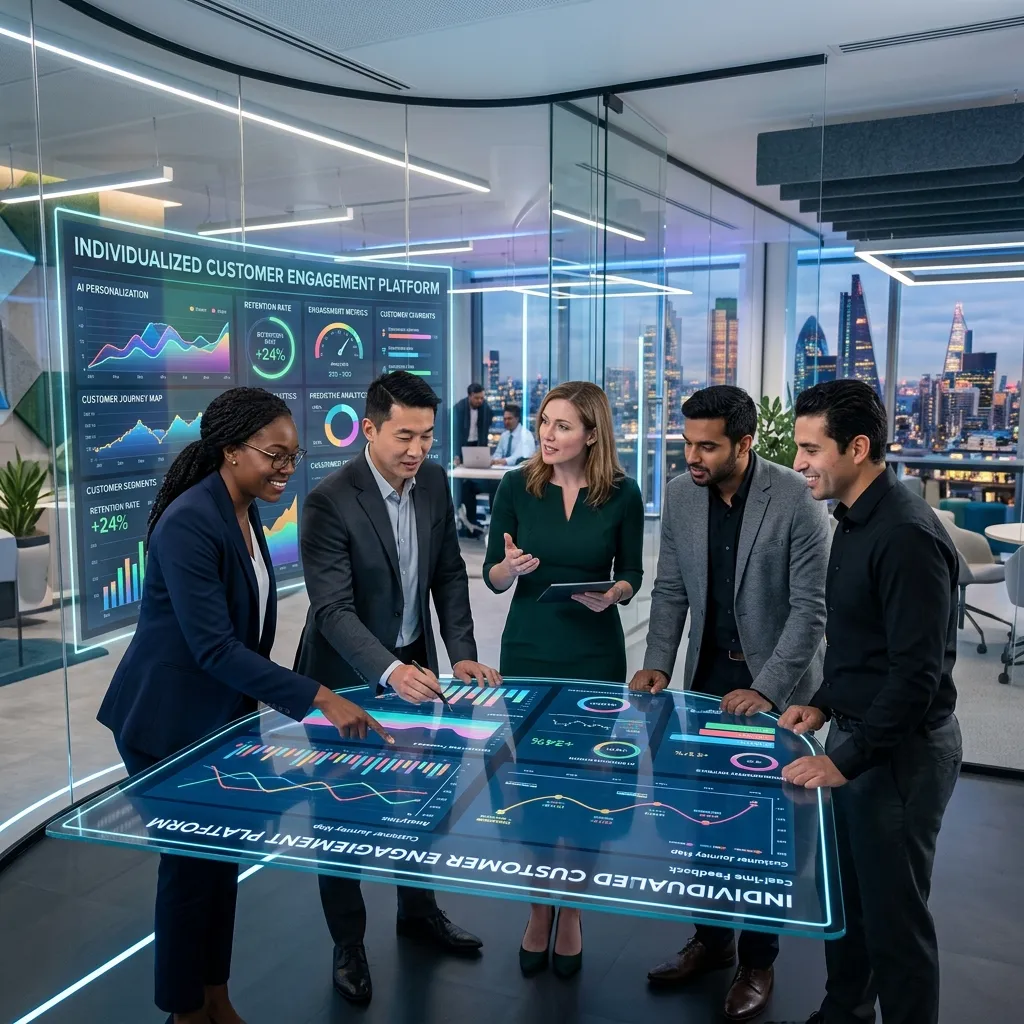
As machine learning algorithms become more sophisticated and natural language processing continues to evolve, the ability to craft entirely bespoke customer journeys will only improve. Brands that invest in robust data architecture today will be the ones capable of deploying truly hyper-personalized experiences tomorrow. By focusing on the intersection of user privacy, technological innovation, and genuine human connection, you can future-proof your engagement strategies against an increasingly competitive digital landscape.
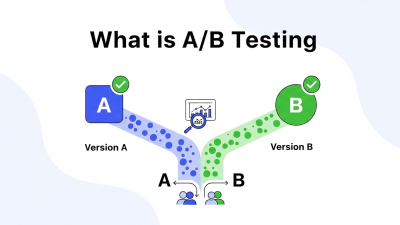
To maintain momentum, marketing teams must constantly test their assumptions. Implement rigorous A/B testing on every dynamic content block, behavioral email trigger, and recommendation algorithm. By fostering a culture of continuous optimization, you ensure that your tailored campaigns evolve alongside your audience’s expectations, permanently securing their engagement and loyalty.
Conclusion
Mastering the Top Personalized Marketing Strategies is no longer optional for brands seeking to thrive in a crowded marketplace; it is an absolute necessity. By leveraging dynamic experiences, behavioral data, and powerful AI tools, you can create seamless, highly relevant journeys that captivate your audience. Start auditing your current data collection methods today, select the right personalization engine for your needs, and begin transforming your standard campaigns into powerful, individualized customer experiences.
Frequently Asked Questions
1. What exactly is personalized marketing?
It is a strategy that uses data collection, analysis, and automation technology to deliver individualized content, product recommendations, and messaging to a specific current or prospective customer. It moves away from broad, generic advertising to focus on the unique preferences of the individual.
2. How do I start collecting data for personalized marketing?
Begin by tracking basic website analytics like page views and click-throughs. Then, move to zero-party data by using interactive quizzes, sign-up forms, and preference centers where customers willingly tell you their specific interests and needs in exchange for better service.
3. Does customized marketing violate customer privacy?
Not if done correctly and transparently. You must comply with regulations like GDPR and CCPA by clearly stating how you collect data, what you use it for, and providing easy opt-out mechanisms. Transparency actually builds customer trust rather than violating it.
4. How does dynamic website content work?
Dynamic content relies on a personalization engine that reads a visitor’s cookie or profile data in real-time. Based on established rules or AI algorithms, the website’s code instantly swaps out generic banners, text, or products for elements that specifically match that visitor’s data profile.
5. What is the difference between segmentation and personalization?
Segmentation groups people based on shared characteristics (e.g., all customers in New York). Personalization uses specific data to target an individual (e.g., suggesting a specific rain jacket to John in New York because he looked at it yesterday).
6. Can small businesses afford personalization software?
Yes, the technology has become highly democratized. While enterprise tools can be expensive, many affordable platforms offer excellent entry-level features like basic email behavioral triggers, exit-intent popups, and simple dynamic content blocks tailored for smaller budgets.
7. What is an omnichannel personalized journey?
An omnichannel journey ensures that a customer’s experience is seamless and customized across every touchpoint. If they browse a product on a mobile app, they later receive an email about it, and see a related ad on social media, with all channels sharing the same updated data.
8. How do predictive product recommendations work?
Predictive recommendations use artificial intelligence and machine learning to analyze massive amounts of historical data. The AI identifies patterns in how similar users shop and uses those patterns to predict and suggest the exact items a new user is most likely to buy next.
9. What are behavioral email triggers?
These are automated emails sent only when a user takes a specific action. Examples include sending a discount code 24 hours after a user abandons their shopping cart, or sending a “how to use” guide immediately after a customer purchases a specific complex product.
10. How do I measure the success of a targeted campaign?
Success is typically measured by comparing the performance of the customized campaign against a generic control group. Key metrics to track include conversion rate uplift, average order value increases, click-through rates, reduced bounce rates, and overall customer lifetime value.