
8 Steps to Build Your ABM Strategy
 10 min read
Account-based marketing is turning the marketing funnel on its head and changing the way businesses engage high-value accounts. “Rather than fishing with a big net, ABM is all about spearfishing to catch your ideal accounts and fish in the same pond as happy clients.” For companies, in particular in B2B, this approach is essential.
Why Should Your Business Use An ABM Strategy?
Traditional marketing typically spreads resources thin by targeting a broad audience, many of whom may not be a good fit for your offering. ABM changes the game by concentrating efforts on accounts most likely to convert and deliver long-term value.
Benefits of ABM:
- Higher ROI: ABM enables your team to focus on high-value opportunities, resulting in better conversions and higher returns.
- Deep Personalization: Tailored messages leave a greater impression on decision-makers, driving engagement and trust.
- Unified Teams: ABM fosters collaboration between sales and marketing, ensuring everyone aligns on goals and strategy.
This laser-focused approach makes ABM crucial for companies striving to build meaningful relationships while maximizing resources.
The Role of Data in ABM Success

Data is the backbone of any effective ABM strategy. Without accurate and actionable data, personalization and account prioritization become guesswork. High-quality data helps identify the right accounts, understand buying intent, and map decision-makers within organizations. Firmographic, technographic, and intent data together provide a 360-degree view of target accounts. When marketing and sales teams rely on shared, real-time data, they can tailor messaging more precisely and engage prospects at the right moment. Clean and enriched data also improves measurement, ensuring that ABM efforts are optimized for long-term revenue impact.
Content Strategy for Account-Based Marketing
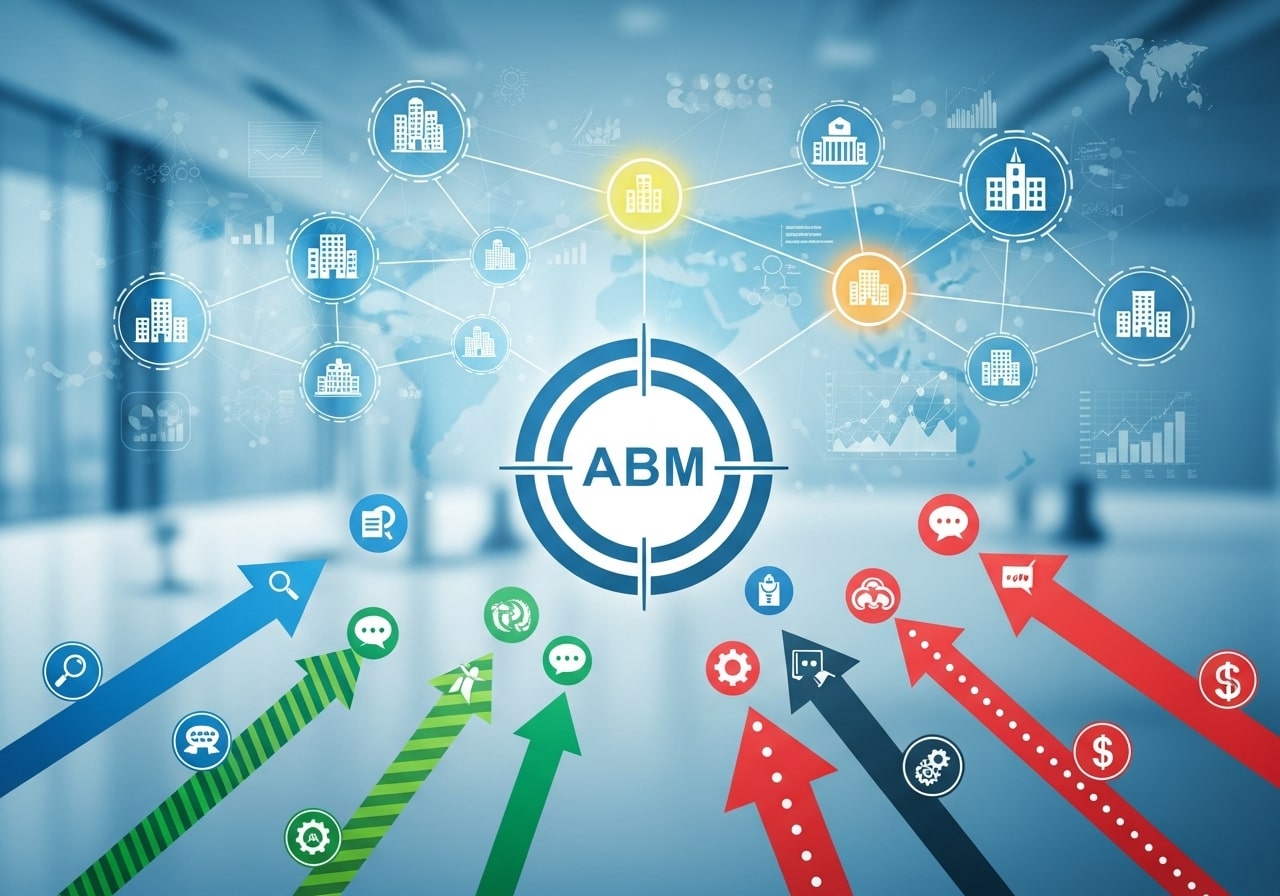
Content in ABM is not about volume—it’s about relevance. Instead of creating generic assets, ABM content should address the specific challenges, goals, and industries of target accounts. Personalized case studies, industry-specific whitepapers, and executive-level insights help establish credibility and trust. Content should also be mapped to different stages of the buying journey, from awareness to decision-making. When content speaks directly to the needs of each account, it increases engagement and positions your brand as a strategic partner rather than just a vendor.
ABM and the Modern B2B Buyer Journey
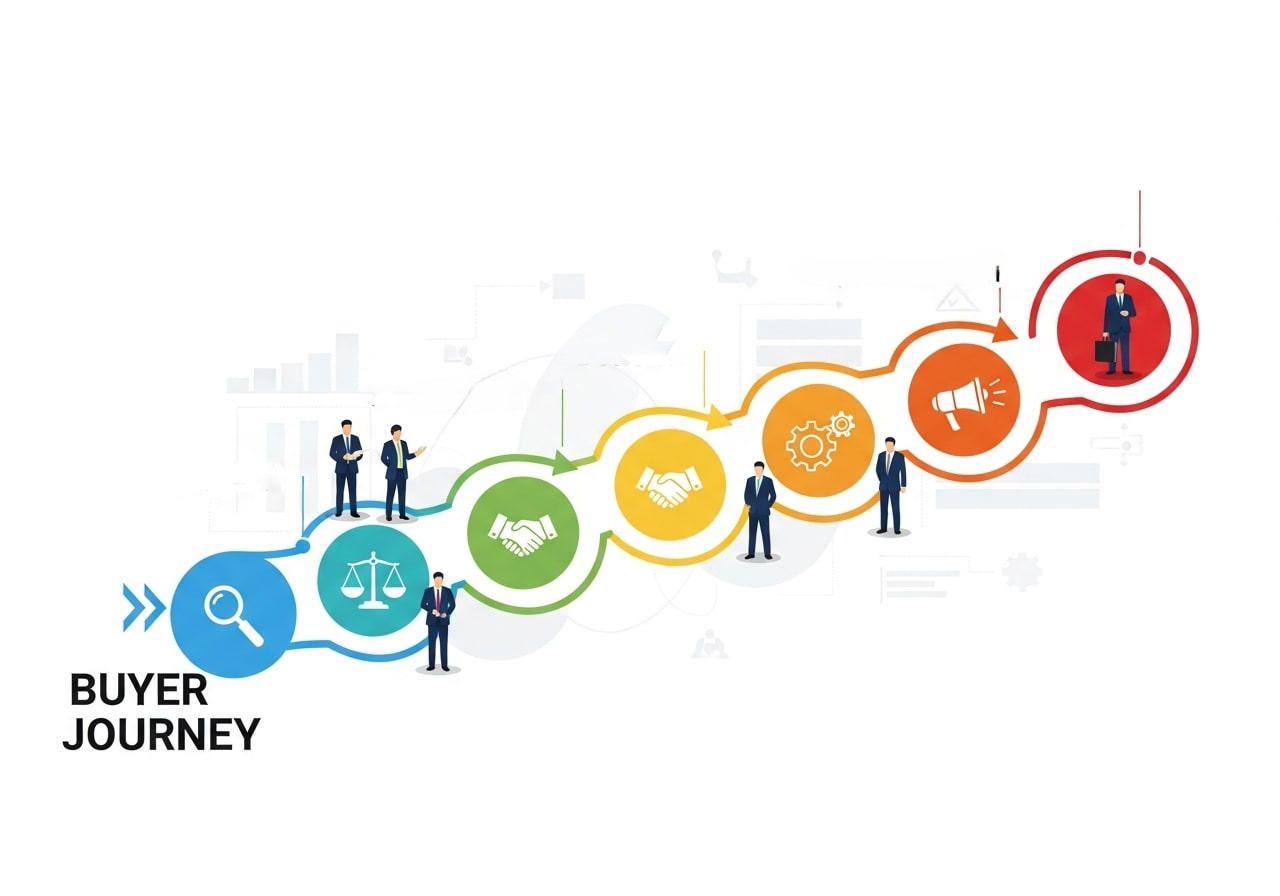
Today’s B2B buyer journey is non-linear and involves multiple stakeholders. ABM aligns perfectly with this reality by focusing on entire buying committees instead of individual leads. By engaging multiple roles—such as decision-makers, influencers, and end users—ABM ensures consistent messaging across the organization. This approach helps shorten sales cycles and reduces friction during decision-making. ABM also allows brands to stay visible throughout the journey, nurturing relationships until accounts are ready to convert and expand over time.
Technology Stack Needed for ABM
A strong ABM strategy requires the right technology stack. Tools like CRM platforms, marketing automation software, intent-data providers, and ABM-specific platforms work together to drive success. CRM systems such as Salesforce help manage account data, while tools like HubSpot or Marketo automate personalized outreach. ABM platforms like Demandbase or RollWorks enable account-level targeting and analytics. When integrated properly, these tools provide visibility into engagement, pipeline impact, and ROI, helping teams make data-driven decisions at scale.
Personalization at Scale in ABM
One of the biggest challenges in ABM is balancing personalization with scalability. While Tier 1 accounts demand highly customized campaigns, lower-tier accounts still require relevance. This is where dynamic content, automation, and AI-powered tools play a key role. Personalized email tokens, adaptive landing pages, and targeted ads allow marketers to tailor experiences without manual effort. By using scalable personalization techniques, businesses can maintain a high level of relevance while expanding their ABM programs efficiently.
Sales Enablement Within ABM Programs

ABM is most effective when sales teams are fully enabled with the right insights and resources. Sales enablement ensures that representatives understand account-specific messaging, pain points, and engagement history. Providing sales with customized playbooks, content assets, and real-time account intelligence improves conversations and builds credibility. When sales teams are equipped with ABM insights, outreach becomes more consultative and relevant. This alignment ultimately leads to stronger relationships, higher close rates, and increased deal sizes.
Long-Term Growth Through ABM Relationships
ABM is not just about closing deals—it’s about building long-term partnerships. By focusing on fewer, high-value accounts, businesses can invest more deeply in relationship-building and customer success. ABM supports expansion opportunities such as upselling, cross-selling, and renewals by maintaining consistent engagement even after the initial sale. Over time, strong ABM relationships lead to higher customer lifetime value and brand advocacy. This long-term mindset makes ABM a sustainable growth strategy rather than a short-term campaign.
8 Steps to Build Your ABM Strategy
1. Define Your Ideal Customer Profile (ICP)
The foundation of a successful ABM strategy starts with defining your Ideal Customer Profile. This ensures you’re targeting accounts that align with your business goals.
When creating an ICP, consider these factors:
- Industry: What sectors do your best customers come from?
- Company size: Small, mid-market, or enterprise accounts?
- Challenges: What problems are they trying to solve?
- Location: Are you targeting specific regions?
Pro Tip
Use tools like Salesforce, HubSpot, LinkedIn Insights, or intent-data platforms like Bombora to identify accounts actively researching solutions like yours.
2. Align Sales and Marketing Teams
ABM requires a unified approach between sales and marketing for maximum efficiency. Misalignment can lead to wasted efforts and mixed messaging.
Key Steps:
- Set shared goals, such as account-specific revenue targets or engagement levels.
- Identify key decision-makers at each target account.
- Host regular sales-marketing sync meetings to ensure progress tracking and collaboration.
The Result
A seamless handoff of leads, consistent messaging, and stronger account relationships.
3. Segment and Prioritize Target Accounts
Not all prospects are equal, so segment your target accounts into tiers. This helps you allocate your resources effectively.
Tiering Example:
- Tier 1 (High-Value Accounts): Full personalization with individual campaigns.
- Tier 2 (Mid-Value): Campaigns grouped by industry or persona clusters.
- Tier 3 (Lower-Value): Scaled outreach via automated marketing.
By focusing on high-value accounts while maintaining scalability, you can maximize ROI without stretching your resources.
4. Create Personalized Campaigns
Personalization is at the heart of ABM. Tailored campaigns resonate with decision-makers because they speak directly to their unique challenges and goals.
Personalized Campaign Elements:
- Tailored Emails addressing specific pain points.
- Custom Landing Pages designed for unique accounts.
- Dynamic Ad Creatives featuring industry-specific language or even company names.
Example
If your target is a healthcare company seeking operational modernization, provide case studies from similar clients and industry-specific testimonials.
5. Utilize Programmatic Advertising
Programmatic advertising is a game-changer for scaling ABM without sacrificing precision. Using tools like Demandbase or RollWorks, you can deliver targeted ads to decision-makers at select high-value accounts.
Tactics to Consider:
- Retarget visitors to your account-specific landing pages.
- Invest in LinkedIn ads targeting roles like CFOs or Marketing Directors.
- Engage executives with contextually relevant video ads.
Programmatic simplifies reaching the right people in the right places.
6. Use Multi-Channel Engagement
One channel alone isn’t enough for ABM. To achieve meaningful interactions with your target accounts, you need to adopt a multi-channel approach.
Channels to Leverage:
- Social Media (e.g., LinkedIn for executive campaigns)
- Email (direct outreach with custom messaging)
- Webinars (tailored for account-specific pain points)
- Direct Mail (send personalized offers or samples)
Being present across a variety of touchpoints increases your chances of connecting with decision-makers.
7. Measure and Optimize Performance
To refine your ABM strategy over time, use real-time analytics and measure what’s working across campaigns.
Key Metrics to Monitor:
- Account Engagement (ad clicks, email open rates, webinar registrations).
- Pipeline Velocity (time taken to close leads from targeted accounts).
- Account Penetration (how many team members within an account are interacting with your content).
Pro Tip
Leverage multi-touch attribution models to understand the entire buyer’s journey instead of crediting only one interaction.
8. Scale What Works
Once you identify high-performing campaigns, scale them to target more accounts. Adapt successful messaging to new industries or personas, and continue honing your strategy using feedback from sales and insights from analytics.
With every iteration, your ABM strategy will become sharper and more impactful.
Real-World Success Using ABM
Case Study Example
A SaaS company aimed to break into enterprise markets. Using ABM, the team identified 20 Tier 1 accounts, paired LinkedIn ads with personalized outreach, and nurtured pipeline opportunities via exclusive webinars.
Results:
- 35% higher engagement rates within key accounts.
- $1.5M in new client revenue over eight months.
Challenges in ABM & How to Solve Them
- Challenge: Limited Resources
Solution: Prioritize high-value Tier 1 accounts using personalized outreach, while automating Tier 3 engagements.
- Challenge: Difficulty Measuring ROI
Solution: Use robust marketing attribution tools like Marketo or HubSpot to track multi-channel touchpoints.
Unlock Success with ABM
Account-based marketing” isn’t just another marketing buzzword. It’s a targeted, efficient method of increasing ROI while better connecting the sales and marketing teams. By applying these eight steps, you can build an ABM approach that not only involves high-value accounts but also fuels long-term growth.
Get going with ABM now. Choose tools like Demandbase, RollWorks, and LinkedIn Ads that you trust. Big success is just a strategy away for you.
Frequently Asked Questions
1. What is Account-Based Marketing (ABM)?
Account-Based Marketing is a strategic approach that focuses marketing and sales efforts on a clearly defined set of high-value accounts. Instead of targeting a broad audience, ABM delivers highly personalized campaigns to specific companies and key decision-makers who are most likely to generate long-term value.
2. Why is ABM important for B2B companies?
ABM is especially important for B2B companies because sales cycles are often longer and involve multiple stakeholders. By concentrating on ideal accounts, businesses can build deeper relationships, improve engagement with decision-makers, and increase the likelihood of closing high-value deals.
3. How does ABM differ from traditional marketing?
Traditional marketing spreads resources across a wide audience, many of whom may never convert. ABM turns the funnel upside down by identifying ideal accounts first and then tailoring messaging, content, and campaigns specifically to those accounts, resulting in higher efficiency and better ROI.
4. What are the main benefits of using an ABM strategy?
The main benefits of ABM include higher return on investment, deeper personalization, and stronger alignment between sales and marketing teams. By focusing on accounts that matter most, businesses can reduce wasted spend while increasing engagement and trust with key stakeholders.
5. How do I identify the right accounts for ABM?
The right accounts are identified by defining an Ideal Customer Profile based on industry, company size, challenges, and location. CRM data, intent signals, and platforms like LinkedIn, HubSpot, Salesforce, or Bombora can help pinpoint accounts actively researching solutions similar to yours.
6. How many accounts should be included in an ABM strategy?
The number of accounts depends on your resources and goals. High-value Tier 1 accounts typically receive one-to-one personalization, while Tier 2 and Tier 3 accounts are managed through grouped or scalable campaigns. This tiered approach ensures focus without limiting growth.
7. What channels work best for ABM campaigns?
ABM works best when multiple channels are used together. Common channels include LinkedIn and social advertising, personalized email outreach, account-specific landing pages, webinars, direct mail, and sales-led engagement. Using multiple touchpoints increases visibility and engagement across the buying committee.
8. How is success measured in ABM?
ABM success is measured through account-level metrics rather than individual leads. These include account engagement, pipeline velocity, deal size, account penetration, and revenue influenced by targeted accounts. Multi-touch attribution helps track performance across the entire buyer journey.
9. Is ABM expensive or resource-intensive?
ABM can require more upfront planning and coordination, but it does not have to be expensive. By prioritizing top-tier accounts and automating lower-priority outreach, companies can balance personalization with scalability and make efficient use of resources.
10. How long does it take to see results from ABM?
ABM is a long-term strategy. While early engagement can happen within weeks, meaningful pipeline growth and revenue impact usually take several months, especially when targeting enterprise-level accounts.
11. Can ABM scale as the business grows?
Yes, ABM is highly scalable. Once successful messaging, campaigns, and processes are identified, they can be adapted and expanded across new accounts, industries, and regions to support sustained growth.


Live Webinars for ABM: Strategies to Engage High-Value Accounts


Balancing Personalization and Privacy in Modern ABM

Virtual Events and Webinars: Powerful Strategies for ABM Success