
ABM Is the Arrow, Brand Strategy Is the Aim
 11 min read
Account-Based Marketing (ABM) is not just a buzzword: it’s a strategy that more and more companies are using to engage high-value accounts with laser-targeted accuracy. It would be like shooting an arrow without sighting in first.” Sure, you might hit something. But is it the goal that is really going to motivate its success in the long term?
Why ABM Needs a Strategic Aim
What Is ABM?
ABM, or Account-Based Marketing, is a focused approach that aligns sales and marketing efforts to target specific accounts identified as high-value opportunities. Unlike traditional mass-market tactics, ABM tailors campaigns and messages to resonate with individual decision-makers within these accounts.
But here’s the catch—targeting alone isn’t enough. Without a cohesive brand strategy, even the best ABM efforts can fall flat. Why? Because your brand defines how you’re perceived by your audience, building trust and credibility before your tailored outreach even begins.
The Role of Brand in ABM
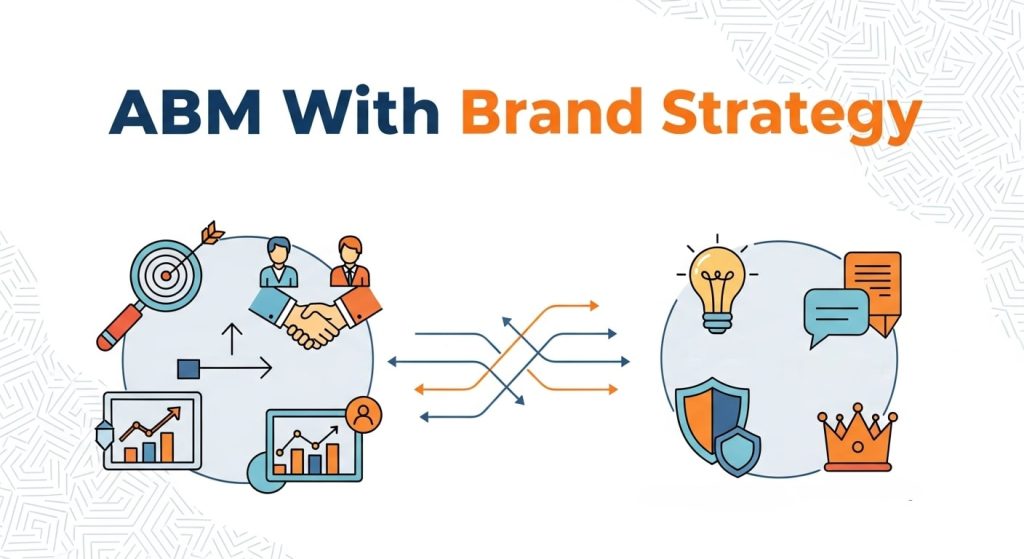
Think of your brand strategy as the guiding principle behind every arrow you fire in ABM. It shapes your value proposition, clarifies your messaging, and ensures consistency across every touchpoint. When prospects see a strong, relatable brand tied to their needs and values, they’re far more likely to engage.
For example, if your target account differs significantly in industry focus, but your brand communication doesn’t flex to reflect their priorities, your carefully crafted ABM campaigns risk being ignored. A strong brand strategy ensures your message resonates, making ABM efforts truly impactful.
The Power of Combining ABM With Brand Strategy
1. Builds Trust Before the Campaign Starts
A recognizable brand isn’t just helpful; it’s essential. Studies show that 63% of B2B buyers are influenced by a company’s brand when making purchase decisions. A well-established brand creates familiarity, reducing the “risk factor” associated with engaging a new vendor. When ABM campaigns hit, they enter a space that already feels trustworthy thanks to your brand presence.
2. Amplifies Personalization
Personalization is at the heart of ABM, but true personalization goes beyond using someone’s name in an email. A brand strategy based on deeply understanding your audience helps make ABM campaigns more relevant. You can speak to industry-specific pain points or big-picture concerns only if your brand has already mapped out these nuances.
For example, if you’re targeting financial institutions with high-value data solutions, your messaging should align seamlessly with their regulatory and security concerns. A precise brand strategy ensures all ABM touches are rooted in that context.
3. Unifies Sales and Marketing Teams
ABM relies on collaboration between sales and marketing. A cohesive brand strategy acts as the common language both teams use to engage prospects. From tone of voice to differentiating value propositions, strong branding ensures alignment, so your campaigns don’t feel disjointed.
4. Strengthens ROI Through Consistency
One of the pitfalls of poorly executed ABM is fragmented communication. Without a shared game plan derived from your brand strategy, campaigns can dilute the strength of your messaging. A unified brand ensures consistency, leaving a stronger impression among decision-makers across multiple touchpoints, ultimately boosting ROI.
Identifying High-Value Accounts

High-value accounts are the backbone of ABM. These are the organizations most likely to generate significant revenue or strategic growth for your business. Start by analyzing your existing customer base to determine which accounts contribute the most value over time. Consider metrics like deal size, lifetime value, strategic alignment, and growth potential. Segment your prospects using these criteria to prioritize efforts efficiently. Once identified, ABM allows you to customize messaging, content, and campaigns specifically for these accounts, increasing engagement and conversion. By knowing which accounts deserve the most attention, you can focus resources strategically rather than spreading efforts too thin across low-value leads, maximizing ROI for both sales and marketing teams.
Building Personalized Content for ABM
Generic content won’t drive high-value engagement in ABM. Personalized content, however, speaks directly to the needs, pain points, and aspirations of your target accounts. This can include case studies showing results in their industry, white papers addressing specific regulatory challenges, or custom landing pages with tailored messaging. By aligning content with each account’s stage in the buyer journey, you increase relevance and engagement. Incorporating insights from your brand strategy ensures content reflects your unique voice and value proposition while remaining consistent across campaigns. Personalized content builds trust, positions your company as a strategic partner, and differentiates you from competitors who rely on generic messaging, increasing the likelihood of successful conversions.
Mapping the Customer Journey
Understanding the customer journey is essential for effective ABM. High-value accounts interact with your brand across multiple touchpoints, from initial awareness to post-purchase engagement. Map these touchpoints to identify opportunities where targeted messaging can influence decision-making. Ensure your brand strategy is visible at every stage, reinforcing trust and credibility. Consider both digital and offline interactions, such as website visits, emails, social media engagement, events, and sales calls. By aligning ABM campaigns with the customer journey, you deliver the right message at the right moment, reducing friction and increasing engagement. This structured approach ensures your resources are focused on creating meaningful connections that lead to conversions.
Leveraging Technology in ABM
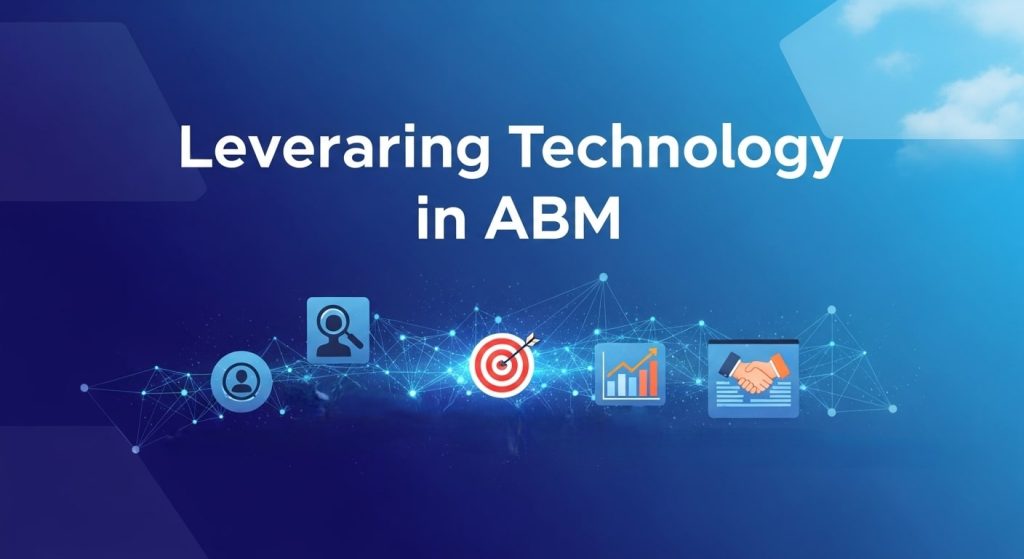
Technology is a powerful enabler for ABM. Tools like CRM systems, marketing automation platforms, and data analytics software help track engagement, segment accounts, and deliver personalized messaging at scale. AI-driven insights can identify patterns in account behavior, predict high-potential opportunities, and optimize campaign timing. Integration between marketing and sales platforms ensures both teams have a unified view of account activity. Using technology reduces manual work, improves precision, and allows your team to focus on high-impact interactions. When combined with a strong brand strategy, technology ensures every touchpoint reflects consistency and value, enabling efficient, measurable, and scalable ABM execution.
Engaging Stakeholders Across Departments
ABM success requires collaboration beyond marketing and sales. Customer success, product teams, and executives all play a role in delivering a cohesive brand experience. Engage stakeholders by aligning them with the goals of ABM campaigns and providing clear guidance on messaging, tone, and priorities. Cross-departmental input ensures campaigns are relevant, informed, and aligned with real customer needs. For example, product teams can highlight unique features that resonate with target accounts, while customer success can provide testimonials or insights. A collaborative approach fosters accountability and consistency, ensuring every interaction strengthens the brand and increases trust with high-value accounts.
Measuring ABM ROI Effectively
Tracking ROI in ABM requires more than just leads or clicks. Focus on metrics that demonstrate account engagement, pipeline velocity, revenue generated, and deal size. Consider qualitative metrics like brand perception, account satisfaction, and engagement depth. Tie campaign results directly to business objectives to justify investment and guide future efforts. Compare performance across accounts to identify what messaging, content, or touchpoints deliver the highest impact. By consistently measuring ABM ROI, teams can refine strategies, allocate resources efficiently, and demonstrate the value of aligning marketing efforts with brand strategy. This data-driven approach ensures campaigns remain strategic, scalable, and effective.
Continuous ABM Optimization
ABM is not a set-it-and-forget-it strategy. Continuous optimization is critical for long-term success. Analyze engagement patterns, test messaging variations, and iterate campaigns based on performance. Use insights from CRM and analytics tools to refine account prioritization and personalization. Adjust campaigns as market conditions, industry trends, or account needs evolve. Regularly revisit brand guidelines to ensure messaging remains consistent across campaigns. By committing to ongoing optimization, ABM initiatives remain dynamic, relevant, and impactful. This iterative approach strengthens relationships with target accounts, maximizes ROI, and ensures your brand strategy continues to guide every targeted interaction effectively.
Scaling ABM Without Losing Personalization
Scaling ABM can be challenging because high personalization is resource-intensive. To maintain impact, segment accounts into tiers based on value and engagement potential. Use automation for repetitive tasks like email sequences, while reserving human interaction for high-value touchpoints. Leverage content libraries, templates, and pre-approved messaging to ensure consistency. Technology can help deliver personalized campaigns at scale without diluting your brand voice. Scaling thoughtfully ensures you maintain meaningful engagement, deliver a consistent brand experience, and expand your reach efficiently. Even as your ABM program grows, every account should feel prioritized and valued, preserving the strategy’s effectiveness.
Steps to Align Brand Strategy With ABM
Step 1: Know Thy Audience
Before launching ABM campaigns, invest time in understanding your audience on a deeper level. Brand strategy research like buyer personas and audience segmentation, lays the foundation for highly targeted campaigns.
Pro Tip: Go beyond demographics. Focus on psychographics like motivations, challenges, values, and buying behaviors.
Step 2: Clarify Your Core Message
What is the singular value proposition your brand offers? How does it solve pain points or align with the goals of your target accounts? Refine this messaging and use it as a guiding principle for all ABM content, from email scripts to ads.
Step 3: Build a Value-Driven Content Library
Your brand strategy should inform a repository of high-value content assets tailored to different stages of the buyer’s journey. White papers, eBooks, case studies, blog posts, and video testimonials can be brought into your ABM campaigns when relevant. Strong, useful content amplifies ABM results by reinforcing your value.
Step 4: Map Out Brand Touchpoints
Think about all the ways your target accounts experience your brand, from your website to sales calls. Ensure congruence at every step. Consistent visuals, tone of voice, and messaging are essential. Misaligned brand elements can erode trust and reduce the effectiveness of ABM outreach.
Step 5: Measure, Optimize, Repeat
ABM thrives on data, and your brand strategy should too. Track the effectiveness of messaging across campaigns and gather insights about what resonates most with your target accounts. Periodically revisit your brand strategy to ensure it evolves with your audience and market trends.
Real-World Examples of ABM and Brand Strategy Success
Example 1: Salesforce’s Targeted Buyer Personas
Salesforce aligns its well-established brand with tailored ABM efforts by addressing specific industry challenges. For example, they’ve created dedicated campaigns for industries like healthcare and retail, solving sector-specific problems while reinforcing their broader brand trust.
Example 2: Drift’s Conversational Marketing Approach
Drift’s conversational tone, rooted in its bold and approachable brand strategy, pairs exceptionally well with their ABM efforts. Drift’s brand resonates with small business leaders, and their ABM campaigns leverage that by tailoring content about personalization and efficiency.
Why This Alignment Matters More Than Ever
The modern B2B buyer is more informed, resourceful, and discerning than ever, which means generic outreach no longer cuts it. ABM delivers precision targeting, but brand strategy maintains relatability and trust, making the two inseparable for success.
Whether you’re engaging in one-on-one meetings or scaling ABM efforts through programmatic campaigns, your brand strategy ensures every arrow you fire is aimed at the right target.
Take the First Step Toward Smarter ABM
Want to make sure your ABM campaigns are as accurate as possible? Begin by sharpening your brand strategy to directly address your high-value accounts. When ABM meets branding, that union can be magical.
Struggling to position your brand with ABM? Our team of seasoned professionals can help develop approaches that drive impact. Get in touch with us today for a consultation and begin to see better results in all of your campaigns.
Frequently Asked Questions (FAQ)
1. What is Account-Based Marketing (ABM)?
ABM is a highly targeted marketing approach that focuses on engaging specific high-value accounts rather than casting a wide net. It aligns sales and marketing to deliver personalized campaigns to decision-makers within those accounts.
2. Why is brand strategy important for ABM?
A strong brand strategy builds trust, credibility, and recognition before ABM campaigns even reach prospects. It ensures messaging is consistent, relevant, and aligned with the audience’s values, making campaigns more effective.
3. How do I align ABM with my brand strategy?
Start by understanding your audience deeply, clarifying your core message, creating valuable content, mapping brand touchpoints, and continuously measuring results to refine both ABM and brand efforts.
4. Can ABM work without a strong brand?
Technically, yes, but it will be less effective. Without brand alignment, campaigns risk feeling disjointed or impersonal, reducing engagement and ROI.
5. What metrics should I track for ABM success?
Track account engagement, conversion rates, pipeline velocity, revenue from target accounts, and campaign ROI. Also monitor brand perception metrics to ensure your messaging resonates consistently.
6. How often should I update my ABM and brand strategy?
Regularly. Revisit your strategy at least quarterly to adjust for market trends, audience feedback, and campaign performance, ensuring both ABM and brand remain aligned and effective.


Live Webinars for ABM: Strategies to Engage High-Value Accounts


Balancing Personalization and Privacy in Modern ABM

Virtual Events and Webinars: Powerful Strategies for ABM Success