
Explore the Opportunities of Account Based Marketing
 11 min read
Gone are the days when Account-Based Marketing (ABM) was a term being thrown around in the Marketing world as if no one knew what it was. It’s a tactic that is redefining how companies approach their most lucrative prospects and customers. For B2B companies looking to extract the most value from their marketing and generate revenue, ABM serves as a precise, high-impact way to connect, engage, and produce results.
In this blog, we’ll cover what account-based marketing is, what its main advantages are, and whether or not it’s a good strategy for your business. In the end, you will have a full grasp of how ABM can revolutionize your marketing.
What Is Account Based Marketing?
ABM is a B2B strategic framework that concentrates sales and marketing resources on a set of targeted high-value accounts joined up in the pursuit of a common goal, rather than casting the net wide.
The Difference Between Lead Generation And ABM
Rather than broadcasting the same message to an entire universe of potential leads, ABM customizes one-to-one marketing campaigns to specifically address the unique needs and pain points of accounts individually.
The goal? To optimize your lead generation investments by focusing marketing and sales resources on accounts most likely to generate revenue.
ABM is especially effective for those organizations with long sales cycles, involved buying decisions, or a reliance on a few key clients that account for a large portion of the revenue.
The Fundamental Advantages of Account-Based Marketing
What is driving the move to ABM from so many companies? Because it works. The following are the main account-based marketing advantages and why it might be the perfect solution for your organization.
Higher ROI and Return on Revenue
ABM is all about focus. Targeting those accounts with a higher likelihood to convert means spending more of your time and resources wisely, while reducing that on lower value accounts that will never convert. Research has also shown that businesses that use ABM see a 208% higher marketing ROI than businesses that employ less targeted strategies.
Through focusing on prospects with tailored messages and value-focused content, ABM ensures each touchpoint is a critical step towards advancing customers down the purchase funnel.
Example in Action:
Picture a SaaS startup that’s going after the big enterprise for their project management software. Rather than sending generic email blasts, they perform extensive research on target accounts, learn who the decision-makers are, and create demo-based pitches that speak to an organization’s specific pain points. The result? Increased engagement rates and a faster road to closure.
Greater Sales and Marketing Alignment
ABM is all about cooperation, as both teams need to work together. Both departments coordinate on objectives, target accounts, and messaging to ensure a cohesive voice across channels. This alignment is a win-win for prospects and makes both teams very efficient.
Essential benefits of sales-marketing alignment are:
-
Joint Measurement: Both teams measure success by tracking account-level engagement.
-
Message Consistency: Clear, cohesive content is presented with each stage of the buyer journey.
-
Concerted Effort: A joint effort by sales and marketing saves the energy of repeating the effort twice, which results in a more focused outreach campaign.
Marketing campaigns are designed to encourage sales enablement right from the start, closing the loop and fostering collaboration from the outset.
Better Customer Experience and Repeat Business
Consumers today are demanding more personalized conversations. ABM does just that, personalizing value-driven interactions for every target account. Such a strong and personalized approach not only wins new customers but also deepens relationships and supports long-term retention.
Why This Matters:
When companies truly understand what their customers want, it results in trust and loyalty. Over time, these relationships lead to re-purchases, up-sells, and account expansion.
Example in Action:
A manufacturer leverages ABM for an important customer by delivering custom recommendations for improving their supply chain. Through adopting this proactive approach, the added value the client receives is akin to the client being locked in.
The Role of Primary Market Research in ABM Success
A strong Account-Based Marketing approach begins with accurate insights, and this is where Primary Market Research becomes essential. By gathering first-hand data through interviews, surveys, and direct customer interactions, businesses gain a deeper understanding of account-specific challenges, goals, and buying behavior. These insights help marketers identify decision-makers, uncover real pain points, and prioritize high-value accounts more effectively. Unlike secondary data, primary research offers tailored intelligence that directly supports ABM initiatives. When combined with intent data and CRM insights, it allows teams to personalize messaging at every touchpoint. Ultimately, primary market research ensures ABM campaigns are not based on assumptions but on real, actionable intelligence that drives higher engagement and conversion rates.
Designing an Effective Account Based Marketing Content Strategy
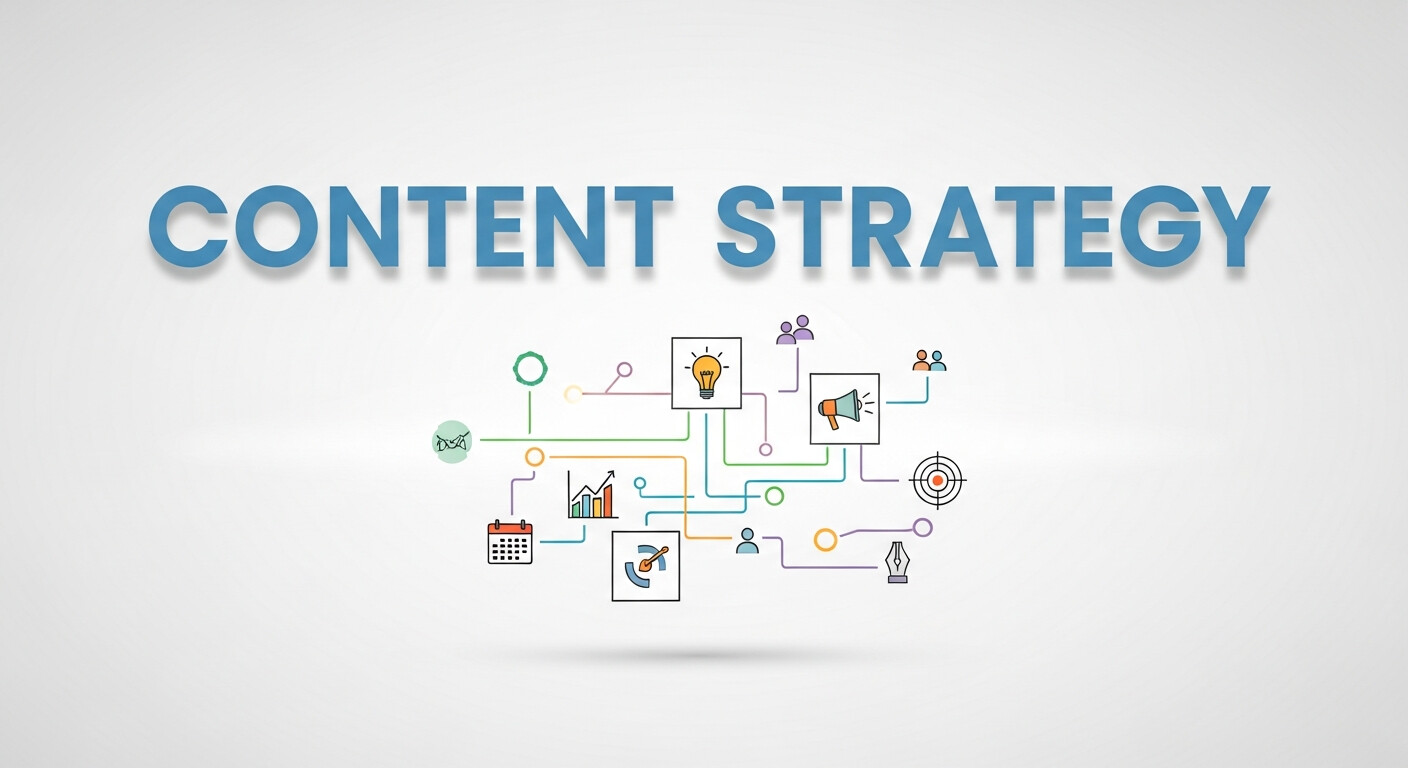
An impactful Account Based Marketing Content Strategy focuses on relevance, personalization, and timing. Instead of generic messaging, content is crafted for specific accounts, industries, and decision-makers. This includes personalized case studies, industry-specific whitepapers, targeted emails, and custom demos aligned with each account’s buying stage. Insights from primary market research help shape content that directly addresses business challenges and objectives. A well-planned content strategy ensures consistent messaging across sales and marketing channels, improving alignment and trust. When content speaks directly to an account’s needs, engagement increases significantly. Over time, this targeted approach shortens sales cycles and strengthens relationships, making ABM content strategy a key driver of long-term revenue growth.
Leveraging Account Based Marketing Software for Scalability
Executing ABM at scale would be nearly impossible without the right Account Based Marketing Software. These platforms help teams identify target accounts, track engagement, automate outreach, and measure performance at the account level. Tools like CRM integrations, intent data platforms, and personalization engines allow marketers to manage complex campaigns efficiently. ABM software also enables real-time insights into account behavior, helping sales and marketing teams respond faster and more strategically. When combined with a strong content strategy and primary market research, technology becomes a powerful enabler rather than just a support tool. The result is better coordination, improved targeting accuracy, and measurable impact across the entire revenue funnel.
Aligning Research, Content, and Technology in ABM
True ABM success happens when Primary Market Research, content strategy, and technology work together seamlessly. Research provides the insights, content delivers the message, and Account Based Marketing Software ensures execution and measurement. Without alignment, campaigns risk becoming fragmented or ineffective. Research-driven insights inform what content to create, while software ensures that content reaches the right accounts at the right time. This integrated approach improves personalization, consistency, and scalability. Sales and marketing teams benefit from shared data and unified goals, reducing friction and duplication of effort. By aligning these three pillars, businesses can create a sustainable ABM framework that drives predictable growth and long-term customer value.
Personalization at Scale Through ABM Tools and Insights
Personalization is the backbone of ABM, but scaling it requires both insight and technology. Primary Market Research helps identify what matters most to each account, while Account Based Marketing Software enables teams to act on those insights efficiently. Together, they support a refined Account Based Marketing Content Strategy that delivers tailored experiences across channels. From personalized landing pages to targeted ads and sales outreach, every interaction feels relevant and timely. This level of personalization builds trust and positions the brand as a strategic partner rather than just a vendor. When executed correctly, personalization at scale leads to higher engagement, stronger relationships, and increased deal sizes.
Measuring ABM Performance with the Right Metrics and Tools
Measurement is critical to understanding ABM effectiveness. With Account Based Marketing Software, businesses can track account-level engagement, pipeline progression, and revenue impact. These insights are enhanced when paired with data gathered through primary market research, offering both quantitative and qualitative perspectives. Metrics such as account engagement scores, meeting conversions, and deal velocity provide a clearer picture of campaign performance. A data-driven Account Based Marketing Content Strategy can then be refined based on what resonates most with target accounts. Continuous measurement ensures ABM efforts remain agile, optimized, and aligned with business objectives, helping teams demonstrate clear ROI.
Future-Proofing Your ABM Strategy with Data-Driven Decisions
As B2B buying behavior continues to evolve, future-proofing ABM requires a commitment to data and adaptability. Primary Market Research keeps teams aligned with changing customer needs, while Account Based Marketing Software supports automation, analytics, and scalability. An evolving Account Based Marketing Content Strategy ensures messaging remains relevant and value-driven over time. Businesses that continuously test, measure, and refine their ABM approach stay ahead of competitors and market shifts. By investing in research, content, and technology together, organizations can build resilient ABM programs that deliver consistent results—today and in the future.
Does ABM Make Sense for Your Business?
ABM is a great process for companies with high-value accounts and niche B2B markets. If your sales process is long, your products are more niche, or your business relies on a few key clients to generate a good amount of revenue, ABM is a strategy to explore.
But, here’s something you should know: ABM is a team sport — it takes commitment, strategy, and powerful tools to pull off beautifully. But when done well, the payoff more than compensates for the input.
Get Your ABM Plan Up and Running Now
The advantages of account-based marketing make it a game-changer for businesses wanting to maximize their return and accelerate meaningful growth. From unifying your sales and marketing efforts to boosting return, ABM offers a targeted and efficient way to meet your objectives.
If you’ve been wondering if ABM is right for your business, it’s best to get started now. You can browse tools, read case studies, or you can talk to a marketing expert to get started. Because, as you know, it’s not about the numbers. It’s about connecting on a personal level with real people who matter to you.
To make the most of ABM strategies, gaining analytical skills can be a game-changer—consider how a marketing analytics certificate can support your growth.
Frequently Asked Questions (FAQ)
What types of businesses benefit most from Account Based Marketing?
ABM works best for B2B companies that target high-value accounts, operate in niche markets, or have long and complex sales cycles. Organizations that rely on a smaller number of large clients—such as SaaS, enterprise software, manufacturing, or professional services—often see the strongest results.
Is Account-Based Marketing only for large enterprises?
Not at all. While ABM is popular among enterprise organizations, small and mid-sized businesses can also benefit. The key requirement isn’t company size, but having clearly defined high-value accounts and the ability to personalize outreach effectively.
How is ABM different from traditional inbound marketing?
Traditional inbound marketing focuses on attracting a broad audience and nurturing leads over time. ABM, on the other hand, starts with identifying specific target accounts and tailoring campaigns directly to them. Instead of waiting for leads to convert, ABM proactively engages the right prospects from the beginning.
How long does it take to see results from ABM?
ABM is a long-term strategy rather than a quick win. While early engagement metrics may improve within a few months, meaningful revenue impact often appears after sustained execution—especially for businesses with longer sales cycles. Consistency and alignment between sales and marketing are critical to success.
What tools are needed to run a successful ABM strategy?
Successful ABM programs often rely on a combination of CRM, marketing automation, and account intelligence platforms. Tools such as HubSpot, 6sense, Terminus, and Salesforce help teams identify target accounts, personalize campaigns, and measure account-level performance.
How do you measure the success of an ABM campaign?
ABM success is measured at the account level rather than by individual leads. Common metrics include account engagement, pipeline velocity, deal size, revenue growth, and customer lifetime value (CLV). These metrics provide a clearer view of how marketing efforts impact revenue.
Does ABM replace lead generation?
No—ABM complements lead generation rather than replacing it. Many companies run ABM alongside traditional demand generation efforts, using ABM for high-value accounts while inbound marketing supports broader pipeline growth.
Is ABM difficult to implement?
ABM requires planning, collaboration, and commitment, but it doesn’t have to be overly complex. Starting with a small number of target accounts, clear goals, and strong sales–marketing alignment makes implementation far more manageable and scalable over time.


Live Webinars for ABM: Strategies to Engage High-Value Accounts


Balancing Personalization and Privacy in Modern ABM

Virtual Events and Webinars: Powerful Strategies for ABM Success