


Affiliate programs are a powerful bridge between businesses and content creators, creating growth opportunities for both. They provide companies with low-risk, performance-based marketing while giving affiliates a chance to earn passive income. With the right strategy, affiliate marketing can be a sustainable and scalable online business model.
Affiliate marketing has become one of the most popular and profitable models in the digital economy. From bloggers and YouTubers to large corporations, affiliate programs now play a crucial role in online sales and marketing strategies. They allow businesses to grow without massive advertising budgets while giving individuals the opportunity to earn money by promoting products they trust.
In this guide, we break down exactly what an affiliate program is, how it works, the benefits for both businesses and affiliates, and how you can get started—whether as an affiliate or as a business launching your own program.
What Is an Affiliate Program

An affiliate program, also known as a partnership or referral program, is a performance-based digital marketing model in which a business rewards an external partner (called an affiliate) for driving traffic, leads, or sales through their own promotional efforts. Rather than relying solely on expensive traditional advertising such as TV commercials, print ads, or billboards, companies collaborate with individuals, influencers, bloggers, and content creators who already have an engaged audience. This makes affiliate marketing a highly cost-effective, measurable, and scalable strategy for businesses of all sizes—from small startups to large multinational brands. When Affiliate Marketing Programs Explained, it becomes much clearer how this system creates value for both companies and affiliates in the long run.
Affiliates promote products using unique tracking links, banners, widgets, or discount codes that are assigned specifically to them. These tools allow businesses to accurately track where visitors and customers are coming from. Through sophisticated tracking systems and cookies, companies can attribute every click, lead, or sale to the correct affiliate, ensuring fair and transparent commission payments. If a visitor clicks the affiliate link and completes a desired action—such as making a purchase, signing up for a free trial, downloading an app, or subscribing to a newsletter—the affiliate earns a commission. This performance-based commission structure is what truly defines how an affiliate program functions in real-world practice and why it is considered a win-win marketing approach. Understanding Affiliate Marketing Programs Explained helps both beginners and marketers grasp why tracking and transparency are so important.
For example, if you are a fitness blogger or YouTuber and you partner with a protein powder brand, you may receive a unique affiliate link to share in your blog posts, video descriptions, Instagram captions, or email newsletters. When your followers click that link and purchase the product, you earn a percentage of the sale without ever handling inventory, shipping, or customer service. This real-world scenario clearly demonstrates how affiliate marketing works and why many content creators, educators, and influencers find it appealing. When Affiliate Marketing Programs Explained in simple terms, it becomes easy to see how anyone with an online presence—big or small—can turn their content into a potential income source.
The Advantages of Joining Affiliate Programs (Expanded)

Affiliate programs create a mutually beneficial relationship between businesses and affiliates, forming a powerful digital ecosystem. They allow companies to expand their reach while giving individuals a legitimate opportunity to earn income online. From small bloggers to large media publishers, affiliate marketing offers something for everyone. Understanding Affiliate Marketing Programs Explained in detail helps both parties maximize their results and avoid common mistakes in this space.
For Businesses
Cost-effectiveness
One of the biggest advantages of affiliate programs for businesses is that they are entirely performance-based. Unlike traditional advertising where companies must pay upfront without guaranteed results, affiliate marketing ensures that businesses only pay when a specific action is completed—such as a sale, lead, or sign-up. This significantly reduces financial risk while still allowing brands to grow their customer base. As a result, even small businesses with limited budgets can compete with larger brands using affiliate strategies.
Expanded Reach
Affiliates often have established audiences in specific niches such as fitness, beauty, technology, finance, travel, or education. By partnering with these influencers, bloggers, and content creators, businesses can tap into highly targeted communities they might not have been able to reach otherwise. This not only increases brand visibility but also builds credibility and trust, as recommendations from trusted creators often feel more authentic than traditional advertisements.
Performance-Based Marketing
Since affiliates earn commissions based on their results, they are naturally motivated to create high-quality content, optimize their marketing strategies, and drive genuine conversions. This leads to better promotional efforts, improved engagement, and higher conversion rates for the brand. This results-driven approach is another key aspect of Affiliate Marketing Programs Explained from a business perspective, as it aligns incentives between companies and affiliates.
For Affiliates
Passive Income
One of the main reasons people join affiliate programs is the potential for passive income. Once an affiliate publishes content containing their affiliate links—such as blog articles, YouTube videos, Pinterest pins, or social media posts—they can continue earning money whenever someone makes a purchase through those links. Even months or years later, well-optimized content can still generate commissions, which is why many beginners look for how to Get Started with Affiliate Marketing: A Beginner’s Guide to Passive Income as a way to build sustainable earnings. When Affiliate Marketing Programs Explained, it becomes clear why so many creators see this as a long-term income opportunity rather than a quick cash grab.
Flexibility
Affiliate marketing offers incredible flexibility, allowing individuals to work from anywhere in the world and at their own pace. Affiliates can choose when to create content, which brands to promote, and how much effort to invest. This makes it an attractive career option for bloggers, influencers, digital marketers, students, and even full-time professionals looking for an additional income stream outside of their regular job.
Variety of Niches
Affiliate programs exist in almost every industry imaginable, including fashion, technology, travel, health, fitness, finance, education, gaming, beauty, SaaS, and even subscription services. Affiliates can choose programs that align with their personal interests, expertise, and audience preferences. When Affiliate Marketing Programs Explained properly, it becomes much easier for affiliates to select the right niche, build authority, and maximize their earnings potential over time.
How an Affiliate Program Works
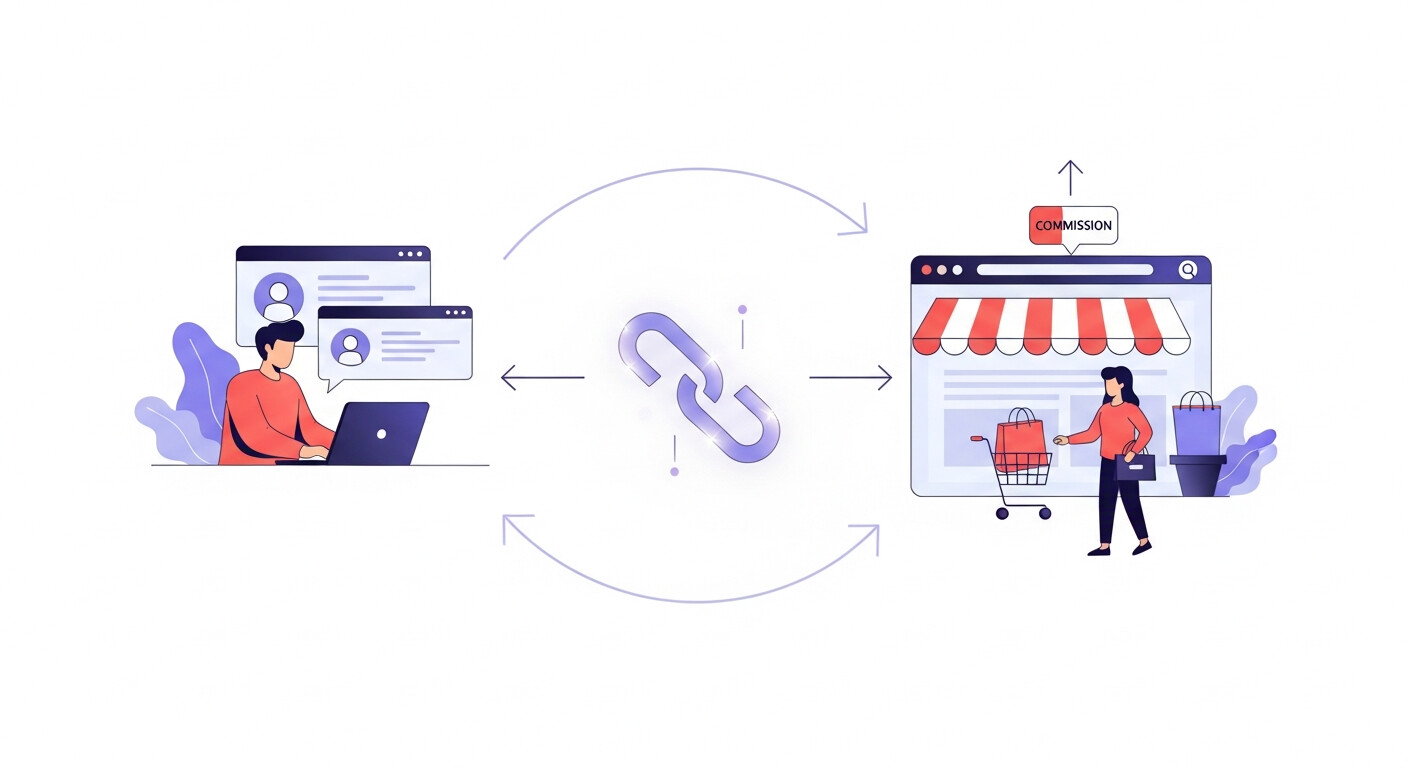
Affiliate programs operate through a structured, straightforward, and transparent process that connects businesses with external marketers—commonly known as affiliates—who promote their products or services to their own audiences. This system creates a performance-based partnership where both parties benefit: businesses gain wider exposure and sales, while affiliates earn commissions for successful referrals. When Affiliate Marketing Programs Explained, it becomes much easier to understand how this digital ecosystem functions, why it has grown so rapidly, and why it has become one of the most dominant models in online marketing today. Below is a more detailed, step-by-step breakdown of how affiliate programs typically work in real-world practice:
1. Enroll in an Affiliate Program
Affiliates begin by applying to join an affiliate program that is either managed directly by a company or hosted through a third-party affiliate network such as ShareASale, CJ Affiliate, Impact, PartnerStack, or Amazon Associates. During the application process, affiliates are often asked to provide information about their website, traffic sources, audience demographics, content strategy, and promotional methods. Companies review these details to ensure that the affiliate aligns with their brand values and marketing standards. Once approved, affiliates officially enter into a partnership, becoming an integral part of what is an affiliate program-style collaboration designed to drive mutual growth.
2. Get a Unique Affiliate Link
After approval, each affiliate receives a unique tracking link, banner, or promotional code that is assigned exclusively to them. This link contains embedded tracking parameters that allow the company to identify exactly which affiliate generated a click, lead, or sale. Through this tracking system, businesses can monitor performance in real time, ensuring fair and accurate commission payouts. Understanding Affiliate Marketing Programs Explained at this stage helps affiliates strategically place their links across multiple platforms to maximize visibility and conversions.
3. Promote the Product or Service
Affiliates then begin promoting the company’s products or services through various digital channels such as blog posts, in-depth product reviews, YouTube videos, Instagram reels, TikTok content, email newsletters, podcasts, or even paid advertisements. Their content typically includes their affiliate link in descriptions, captions, or embedded within the website. The success of this step depends largely on how well the affiliate understands their audience’s needs, preferences, and pain points. When Affiliate Marketing Programs Explained, it becomes clear that authentic, valuable content performs far better than aggressive or misleading promotions.
4. Track Clicks and Conversions
Businesses use advanced tracking software, analytics dashboards, and affiliate management platforms to monitor how referred visitors interact with their website. They analyze key data points such as number of clicks, bounce rate, time spent on site, pages viewed, conversion rates, and purchasing behavior. This data not only helps companies evaluate affiliate performance but also enables them to optimize landing pages, improve product offerings, and refine marketing strategies over time.
5. Earn Commissions
Affiliates are compensated based on predefined performance actions completed through their unique tracking link, such as completed sales, free trial sign-ups, form submissions, or qualified leads. Commission rates vary widely depending on the industry, product type, and affiliate program structure. This performance-based compensation model is what fundamentally defines what is an affiliate program for most digital marketers and content creators today.
Affiliate Program Success Metrics for Your Business

For companies running an affiliate program, tracking the right performance metrics is essential for long-term success. These insights help businesses measure effectiveness, identify top-performing affiliates, optimize campaigns, and fully understand what is an affiliate program’s impact on revenue and brand growth. When Affiliate Marketing Programs Explained from a data-driven perspective, these metrics become even more powerful decision-making tools.
Conversion Rate
Conversion rate measures the percentage of clicks that turn into a sale or desired action. For instance, if 100 users click an affiliate link and 10 make a purchase, the conversion rate is 10%. A high conversion rate indicates strong product-market fit, persuasive marketing, and an effective affiliate strategy.
Average Order Value (AOV)
AOV represents the average amount spent per order generated through affiliate referrals. A higher AOV suggests that customers are either purchasing premium products or adding multiple items to their cart. When Affiliate Marketing Programs Explained, businesses often focus on increasing AOV through upsells, bundles, and discounts.
Earnings Per Click (EPC) for Affiliates
EPC calculates how much revenue an affiliate earns per click on their affiliate link. This metric is widely used by affiliates to compare different programs and determine which ones are most profitable and worth promoting.
Customer Lifetime Value (CLV)
CLV estimates the total revenue a business can expect from a customer referred by an affiliate over their entire relationship with the brand. A high CLV means affiliate marketing is bringing in loyal, repeat customers rather than one-time buyers. This long-term value is a key aspect of Affiliate Marketing Programs Explained for sustainable business growth.
Active Affiliate Ratio
This metric tracks the percentage of affiliates who are actively promoting products versus those who are inactive. A low active affiliate ratio may indicate a need for better incentives, improved communication, training, or additional promotional resources.
Affiliate Program Payment Structures
Affiliate programs use different payment models depending on business objectives, industry type, and risk tolerance. These structures further clarify what is an affiliate program from a financial standpoint and are essential when Affiliate Marketing Programs Explained in depth.
Cost Per Sale (CPS)
This is the most common affiliate model. Affiliates earn a commission only when a referred customer completes a purchase. For example, an affiliate might earn 15–30% of each sale they generate, depending on the product category.
Cost Per Lead (CPL)
Under this model, affiliates are paid for generating qualified leads rather than actual sales. This may include actions such as submitting an email address, completing a registration form, booking a consultation, or signing up for a free trial. CPL is especially popular in industries like insurance, real estate, education, and SaaS.
Cost Per Click (CPC)
In this model, affiliates are paid based on the number of clicks their affiliate link receives, regardless of whether a sale occurs. While this does not directly guarantee revenue, it helps businesses increase website traffic and brand visibility.
Fixed Fee Model
Some affiliate programs offer a fixed commission per action, regardless of transaction value. For instance, an affiliate might earn $10 for every new user sign-up or $5 for every completed survey
Method to Begin as a DVD Rental Affiliate

If you are interested in becoming a DVD rental affiliate, the process is similar to joining most other affiliate marketing programs, but your focus will be on movie rentals, subscriptions, or physical/streaming DVD services. When Affiliate Marketing Programs Explained clearly, it becomes much easier to understand how you can enter this niche and build a sustainable income stream. Here is a step-by-step guide to help you get started successfully:
Find the Right Niche
Begin by selecting a niche that genuinely interests you and aligns with your audience’s preferences. In this case, your niche could be classic movies, independent films, documentaries, family movies, or international cinema. The more specific your niche, the easier it will be to attract a dedicated audience. Choosing a niche you are passionate about will also make content creation more enjoyable and authentic.
Research Affiliate Programs
Once you have identified your niche, research reputable DVD rental or entertainment-related affiliate programs. Look for companies that offer fair commissions, reliable tracking systems, and timely payments. Well-known affiliate networks such as ShareASale, CJ Affiliate, Rakuten, and Impact often list entertainment and subscription-based programs. Understanding Affiliate Marketing Programs Explained at this stage will help you compare different programs and choose the best fit.
Build Your Platform
To promote affiliate links effectively, you need a strong online presence. This could be a movie review blog, a YouTube channel focused on film analysis, or a social media page dedicated to cinema lovers. Many creators also study strategies like How to Promote Your Digital Marketing Agency on Social Media to understand audience engagement, content consistency, and platform growth—principles that apply equally well to affiliate marketing. Consistency is key—regularly posting engaging content will help you build trust and credibility with your audience. Your platform serves as the foundation of your affiliate marketing journey.
Create Valuable Content
Instead of just posting affiliate links, focus on providing real value to your audience. Write in-depth movie reviews, create “Top 10 Must-Watch Films” lists, or produce how-to guides like “How to Choose the Best DVD Rental Service.” By educating and entertaining your audience, you naturally increase the chances that they will click your affiliate links. When Affiliate Marketing Programs Explained properly, content quality is always the main driver of success.
Optimize for SEO
Search Engine Optimization (SEO) helps your content reach more people organically through Google and other search engines. Use relevant keywords naturally in your blog posts, write compelling meta titles and descriptions, and structure your content with clear headings. The better your SEO strategy, the more traffic you will attract—and more clicks on your affiliate links.
Starting an Affiliate Program for Your Company

If you are a business owner considering launching your own affiliate program, this section will help you structure it effectively and define what affiliate program success looks like. With Affiliate Marketing Programs Explained, you can design a program that benefits both your company and your affiliates.
Define Your Goals
Before launching, clearly outline your objectives. Do you want to increase sales, boost brand awareness, generate leads, or expand into new markets? Having clear goals will guide your strategy and help you measure success accurately.
Select Your Affiliate Platform
Choose a reliable affiliate management platform such as Impact, Post Affiliate Pro, Refersion, or PartnerStack. These tools help you track clicks, conversions, commissions, and affiliate performance in real time.
Set Competitive Commission Rates
Research your competitors’ affiliate programs and offer attractive commission rates to encourage affiliates to promote your brand. A fair and rewarding commission structure will help you recruit high-quality partners.
Recruit Affiliates
Reach out to influencers, bloggers, YouTubers, and industry experts who align with your brand. Provide them with marketing materials, product samples, and clear guidelines to help them promote your business effectively.
Monitor and Optimize Your Program
Regularly analyze performance metrics such as conversion rates, traffic sources, and revenue generated. Use this data to refine your strategy, improve affiliate support, and maximize results. This data-driven approach is a key part of Affiliate Marketing Programs Explained from a business perspective.
Conclusion: My Take on the Best Affiliate Programs
Affiliate programs create a powerful win-win opportunity for both businesses and affiliates. Companies gain wider reach and increased sales, while individuals earn passive income by promoting products they believe in. When Affiliate Marketing Programs Explained in depth, it becomes clear that affiliate marketing is not just a trend—it is a long-term digital business model.
Whether you want to promote your favorite DVD rental service, build a movie-focused content platform, or launch your own affiliate program, the possibilities are endless. With the right strategy, patience, and consistency, affiliate marketing can become a reliable source of income or a major growth channel for your business.
If you are ready to start earning, why not explore a DVD rental or entertainment affiliate program today? It could be the first step toward building your own successful online venture—and your gateway into the world of affiliate marketing opportunities.
Frequently Asked Questions
1. What exactly is an affiliate program?
An affiliate program is a performance-based partnership where businesses pay affiliates a commission for driving traffic, leads, or sales through their unique affiliate links. When Affiliate Marketing Programs Explained, it becomes clear that this model benefits both companies and content creators through measurable results.
2. How do affiliates get paid?
Affiliates are typically paid via bank transfer, PayPal, or affiliate network payouts based on completed actions such as sales, leads, or clicks. Most platforms clearly outline payment terms when Affiliate Marketing Programs Explained in their program policies.
3. Do I need a website to become an affiliate?
No. While having a website helps, you can also promote affiliate links through YouTube, Instagram, Facebook, TikTok, email marketing, or other social platforms. Many beginners succeed once they understand Affiliate Marketing Programs Explained for different platforms.
4. How much can I earn from affiliate marketing?
Earnings vary widely. Some beginners make $50–$500 per month, while experienced affiliates can earn thousands or even millions annually. Realistic expectations become clearer when Affiliate Marketing Programs Explained from both a beginner and expert perspective.
5. Is affiliate marketing legal?
Yes, affiliate marketing is completely legal, but affiliates must disclose their affiliate relationships according to FTC and advertising guidelines. This transparency is often highlighted when Affiliate Marketing Programs Explained in ethical marketing discussions.
6. What is the best affiliate network for beginners?
Popular beginner-friendly networks include Amazon Associates, ShareASale, CJ Affiliate, Rakuten, and Impact. These platforms are frequently recommended when Affiliate Marketing Programs Explained to new affiliates.
7. How long does it take to make money?
It can take anywhere from a few weeks to several months, depending on your niche, content quality, and marketing efforts. Many people see progress faster once Affiliate Marketing Programs Explained in a practical, step-by-step way.
8. What is the difference between CPC, CPL, and CPS?
- CPC (Cost Per Click): Paid per click
- CPL (Cost Per Lead): Paid per lead
- CPS (Cost Per Sale): Paid per sale
These models are usually compared side by side when Affiliate Marketing Programs Explained in detail.
9. Can businesses control affiliate content?
Businesses can set guidelines, but affiliates usually create their own content independently. Clear rules are typically provided when Affiliate Marketing Programs Explained in affiliate agreements.
10. Is affiliate marketing good for long-term income?
Yes. With evergreen content, strong SEO, and consistent effort, affiliate marketing can generate passive income for years. Many success stories emerge when Affiliate Marketing Programs Explained as a sustainable digital business model.


