
Virtual Events and Webinars: Powerful Strategies for ABM Success
 24 min read
Capturing the attention of high-value decision-makers requires absolute precision and personalization. Today, virtual events and webinars stand out as the ultimate tools for bespoke buyer engagement. By strategically integrating these targeted experiences into your outreach, you accelerate pipeline velocity and secure lucrative enterprise contracts seamlessly.
This comprehensive guide explores how to perfectly integrate virtual events and webinars into your overarching account-based marketing framework. You will learn actionable methodologies for targeting key accounts, crafting bespoke content, maximizing live engagement, and executing flawless post-event follow-ups. Master these advanced techniques to significantly increase conversions and drive sustainable business growth predictably.
The Evolution of Virtual Events and Webinars in B2B Marketing
The landscape of B2B marketing has undergone a massive transformation over the past decade. Historically, marketers relied heavily on massive, in-person trade shows and generic email blasts to generate pipeline. However, as buyer preferences shifted toward digital-first interactions, the reliance on broad-spectrum tactics began to yield diminishing returns. This fundamental shift paved the way for the aggressive adoption of highly targeted virtual events and webinars. When leveraged correctly within an account-based marketing framework, these digital experiences completely revolutionize how organizations interact with top-tier prospects. Instead of casting a wide net and hoping a qualified lead swims into it, modern marketing teams use virtual events and webinars as spear-fishing tools designed to capture the attention of specific, pre-identified buying committees.
Understanding this evolution requires a deep look into the psychology of the modern B2B buyer. According to extensive Gartner research on the B2B buying journey, enterprise decision-makers spend the vast majority of their buying cycle conducting independent online research before ever speaking to a sales representative. They crave high-value, educational content that directly addresses their unique operational bottlenecks. Virtual events and webinars perfectly satisfy this intense demand for specialized knowledge. By removing the geographical and financial barriers associated with in-person conferences, companies can now deliver hyper-relevant, authoritative presentations directly to a prospect’s screen. This seamless delivery mechanism allows brands to establish immense trust and credibility early in the buying cycle, making virtual events and webinars absolutely indispensable.
Furthermore, the technological sophistication of hosting platforms has advanced rapidly, turning virtual events and webinars from simple one-way broadcasts into deeply interactive digital environments. Modern platforms integrate flawlessly with overarching account-based marketing strategies, allowing marketing operations teams to track granular engagement data. Every poll answered, question asked, and resource downloaded during the live session provides invaluable intent data. Sales teams then utilize this rich behavioral intelligence to customize their subsequent outreach. Consequently, virtual events and webinars are no longer just top-of-funnel brand awareness exercises; they are critical, mid-funnel conversion mechanisms that actively drive high-value accounts toward a purchasing decision with extreme precision and focus.
To fully capitalize on this evolution, revenue leaders must abandon the outdated batch-and-blast mentality. Treating virtual events and webinars as standalone marketing silos severely limits their potential. Instead, organizations must weave these digital experiences seamlessly into the fabric of their daily sales and marketing operations. When marketing meticulously crafts the content and sales strategically drives the right attendees to the digital room, virtual events and webinars become the most potent weapon in a modern revenue organization’s arsenal. This flawless alignment ultimately bridges the gap between passive digital engagement and active sales conversations, making virtual events and webinars the true cornerstone of modern enterprise growth.
Aligning Virtual Events and Webinars with Target Account Tiers
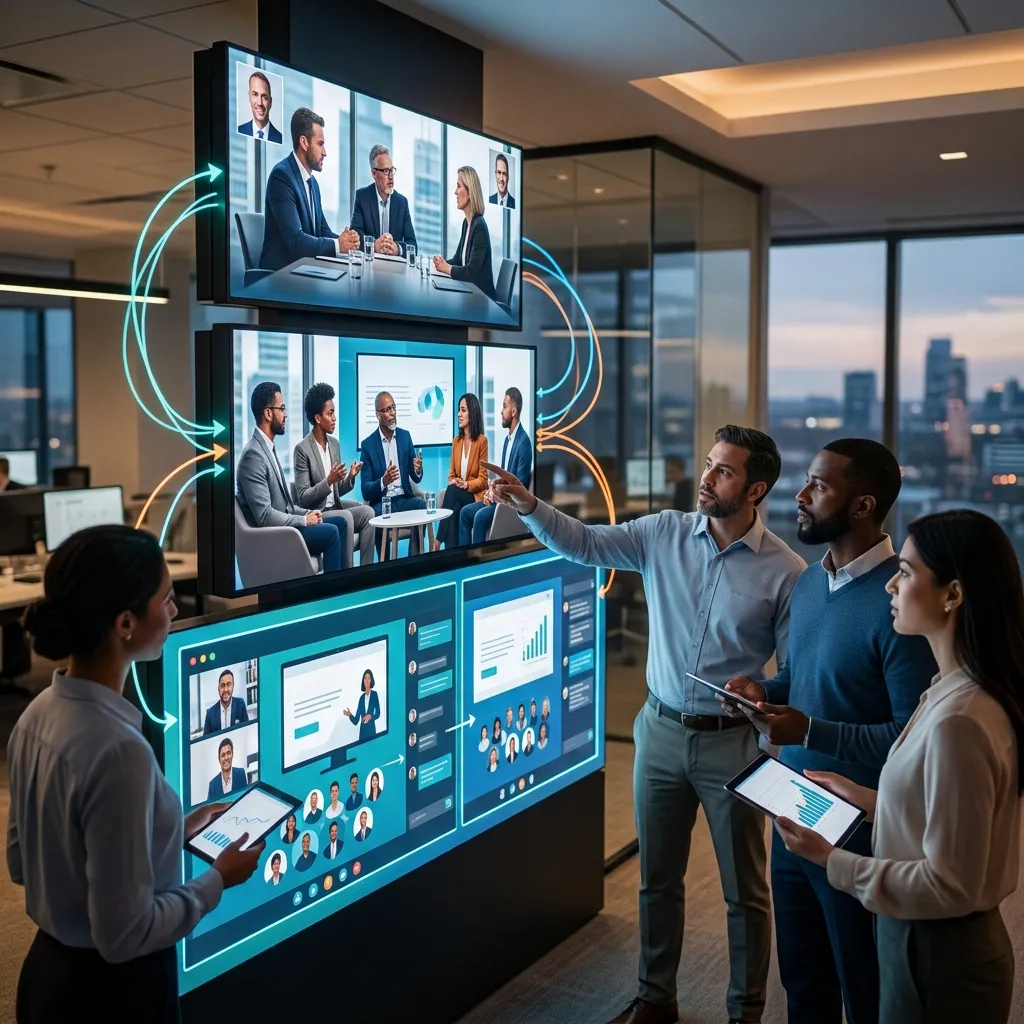
Successfully deploying virtual events and webinars within an ABM strategy requires meticulous alignment with your specific target account tiers. Account-based marketing traditionally categorizes prospects into three distinct tiers: One-to-One (1:1), One-to-Few (1:Few), and One-to-Many (1:Many). Each tier demands a uniquely tailored approach to content creation, promotional outreach, and interactive engagement. Attempting to force a single, generic digital experience onto all three tiers simultaneously guarantees mediocre results. To maximize the impact of your virtual events and webinars, you must dynamically adapt the format and messaging to match the perceived value and specific needs of the accounts in question.
The One-to-One approach represents the pinnacle of personalization for virtual events and webinars. For your most lucrative, whale accounts, standard virtual events and webinars simply will not suffice. These accounts require highly bespoke digital briefings or custom workshops designed exclusively for their internal buying committee. In this scenario, you collaborate directly with the account’s champions to build an agenda that exclusively tackles their proprietary challenges. The One-to-Few approach targets a small cluster of accounts that share very similar characteristics, such as operating within the exact same industry niche or facing identical regulatory changes. Virtual events and webinars for this tier often take the form of exclusive, invite-only executive roundtables. Finally, the One-to-Many approach scales the ABM methodology to a broader list of named accounts, utilizing targeted thought leadership through virtual events and webinars to drive broader demand generation across a specific market segment.
To clearly illustrate how virtual events and webinars adapt across these three critical ABM tiers, consider the following structural comparison table.
| ABM Strategy Tier | Format of Virtual Events and Webinars | Primary Goal and Desired Outcome | Ideal Audience Size | Level of Personalization |
| One-to-One (1:1) | Custom executive briefing, private workshop | Accelerate late-stage deal, secure vendor lock-in | 3 to 10 stakeholders from a single company | Extremely High (Company-specific data and branding) |
| One-to-Few (1:Few) | Industry roundtable, VIP panel discussion | Build consensus among similar accounts, generate SQLs | 10 to 30 attendees from 5 to 10 companies | High (Industry-specific challenges and case studies) |
| One-to-Many (1:Many) | Thought leadership broadcast, product masterclass | Drive engaged accounts into active pipeline | 50 to 200+ attendees from a named account list | Moderate (Segment-specific messaging and trends) |
By utilizing this structured framework, marketing leaders can allocate their resources with extreme efficiency. You invest the most intensive preparation and customization into the 1:1 virtual events and webinars, ensuring you secure the highest possible return on investment from your largest potential deals. Conversely, you leverage the 1:Many format to efficiently nurture your broader target account list, carefully identifying which accounts demonstrate enough intent to warrant moving them up into a 1:Few or 1:1 engagement model. This tier-aligned strategy ensures that your virtual events and webinars consistently deliver the right message to the right audience at the absolute perfect time.
Designing High-Converting Virtual Events and Webinars
The architectural design of your virtual events and webinars ultimately dictates their conversion success. A visually stunning presentation falls flat if the underlying narrative fails to resonate with the target account’s specific pain points. Designing these experiences requires a rigorous, data-driven approach to topic selection, speaker curation, and interactive formatting. You must treat the development of your virtual events and webinars with the same level of scrutiny and strategic planning as a major product launch. The goal is not merely to educate the audience, but to systematically deconstruct their objections, validate their concerns, and seamlessly position your solution as the indispensable answer to their critical business problems using virtual events and webinars.
To consistently design highly lucrative virtual events and webinars, revenue teams must adhere to a strict foundational methodology. Haphazardly throwing together a slide deck the week before the live date destroys credibility and wastes the valuable time of your elite prospects. Instead, implement a systematic design process that ensures every minute of the digital broadcast provides undeniable value.
-
Conduct Deep Account Intelligence Gathering: Before selecting a topic for your virtual events and webinars, analyze your target accounts’ recent activities, financial reports, and industry news. Use this intelligence to design virtual events and webinars that address urgent, timely challenges they are actively trying to solve right now.
-
Curate Peer-to-Peer Speaker Lineups: Enterprise decision-makers want to hear from their peers, not just your sales engineers. Invite respected industry thought leaders or successful current clients to co-host your virtual events and webinars, instantly elevating the authority and trustworthiness of the session.
-
Engineer Interactive Workshop Frameworks: Ditch the traditional lecture format. Design your virtual events and webinars to include live maturity assessments, real-time ROI calculator demonstrations, and collaborative whiteboarding sessions that force attendees to actively participate in the narrative.
When you meticulously execute these design elements, your virtual events and webinars transition from passive viewing experiences into active consulting sessions. The content must seamlessly bridge the gap between theoretical industry trends and practical, tactical execution. For instance, if you are targeting Chief Information Security Officers at major financial institutions, do not host generic virtual events and webinars about cloud security. Instead, design hyper-specific virtual events and webinars titled “Navigating SEC Compliance in Cloud Migrations for Retail Banks.” This level of intense specificity immediately commands attention and signals to the target account that you intimately understand their unique operational reality.
Furthermore, the visual design and platform experience must reflect the premium nature of the accounts you are targeting. Invest in high-quality broadcasting equipment, professional slide design, and a robust hosting platform that offers a frictionless user experience. Technical glitches, poor audio quality, or confusing login processes instantly degrade your brand equity. In the context of enterprise sales, every single touchpoint matters. A flawless, beautifully designed presentation powered by reliable customer relationship management integrations ensures that your brand exudes competence, professionalism, and high-level authority from the very first minute of the broadcast, solidifying the power of your virtual events and webinars.
Strategic Promotion of Virtual Events and Webinars to Decision Makers
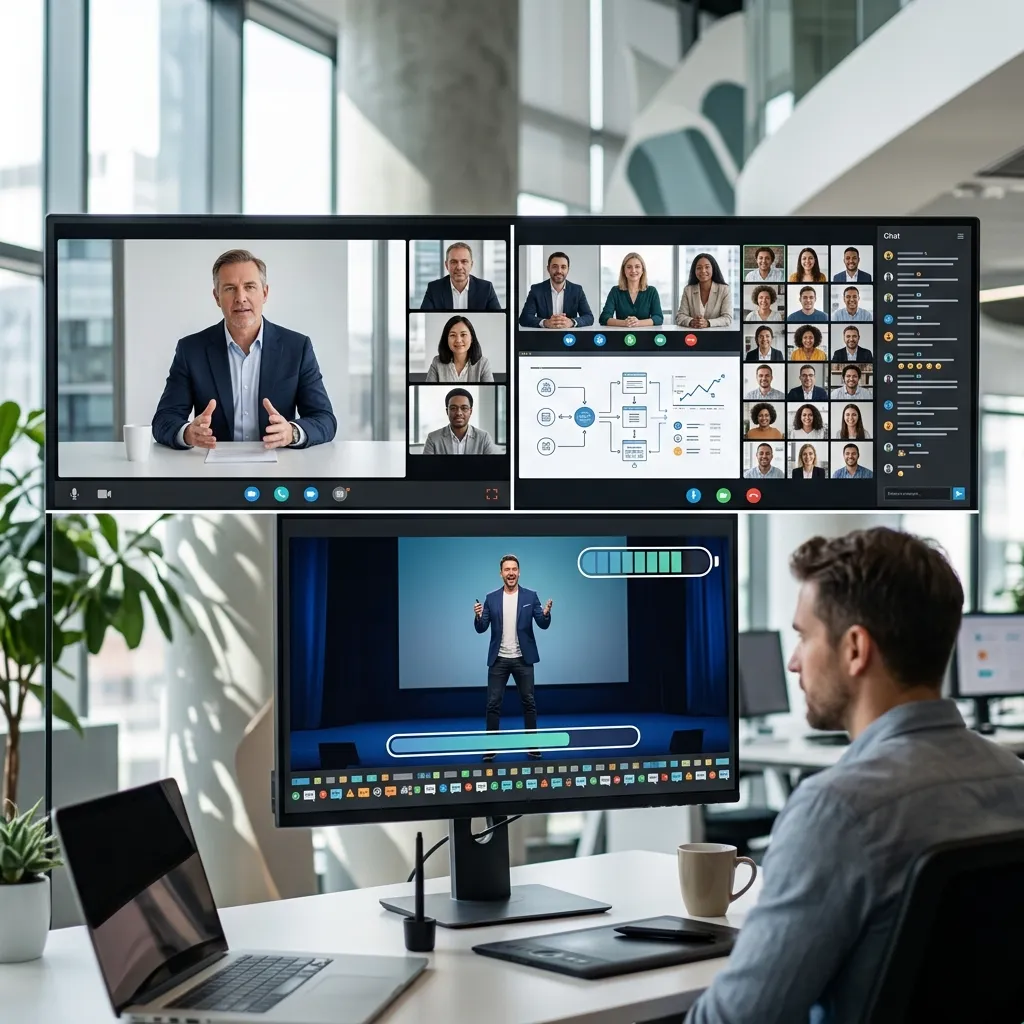
Creating world-class virtual events and webinars yields zero pipeline if the right decision-makers fail to attend. Promoting these digital experiences within an ABM framework requires a radically different approach than traditional volume-based webinar marketing. You cannot rely on generic social media posts or rented email lists to attract C-level executives from Fortune 500 companies. Instead, you must deploy a highly orchestrated, deeply personalized, multi-channel promotional strategy that treats every single invitation as a high-value sales touchpoint. The promotion of virtual events and webinars must cut through the intense noise of the modern executive’s inbox and deliver an irrefutable value proposition.
The foundation of this strategic promotion relies heavily on the close partnership between marketing and sales. Marketing provides the air cover through highly targeted digital advertising, while sales executes the precise ground game to drive attendance to virtual events and webinars. Account Executives must take ownership of driving attendance for their specific target accounts. This involves sending highly personalized, one-to-one video messages outlining exactly why a specific executive needs to attend the session. When a prospect receives a personalized video explaining how the upcoming content directly addresses a challenge they mentioned in a previous discovery call, the registration rate for virtual events and webinars skyrockets. This deeply personalized approach significantly outperforms standard HTML email invitations.
To further elevate the promotional strategy, modern revenue teams increasingly utilize direct mail as a pattern-interrupt mechanism for virtual events and webinars. Sending a physical, high-quality invitation or a pre-event gift box directly to the prospect’s office creates a memorable, tactile experience that digital channels simply cannot replicate. For example, sending a premium coffee blend accompanied by a handwritten note inviting the executive to a coffee-and-strategy session drastically increases the likelihood of attendance for your virtual events and webinars. This seamless integration of offline and online tactics makes the promotion of virtual events and webinars significantly more impactful. It demonstrates a level of investment and care that naturally encourages reciprocity from the target account.
Moreover, leverage the extended networks of your chosen speakers to amplify your reach organically. Provide your internal executives and external guest speakers with professionally designed, easily shareable promotional toolkits for your virtual events and webinars. When a respected industry peer personally invites their network to attend your virtual events and webinars, it carries significantly more weight than a standard corporate advertisement. This peer-to-peer validation is a core tenet of effective B2B lead generation for enterprise accounts. By meticulously orchestrating these personalized, multi-channel promotional plays, you guarantee that your digital room is filled exclusively with the precise decision-makers required to accelerate your most critical sales cycles through virtual events and webinars.
Maximizing Engagement During Virtual Events and Webinars
Securing the registration and attendance of a key decision-maker is only the first major hurdle; retaining their focused attention during the live broadcast is the true battle. In an era plagued by persistent digital fatigue and constant multi-tasking, audiences will seamlessly tune out or log off the moment a presentation becomes stagnant or overly promotional. Maximizing engagement during virtual events and webinars requires a deliberate, dynamic approach to content delivery and audience interaction. The live session must feel like an exclusive, highly interactive conversation rather than a rehearsed, monotonous corporate monologue to ensure the success of your virtual events and webinars.
The Role of the Dynamic Moderator
The success of live virtual events and webinars often rests squarely on the shoulders of the moderator. A skilled moderator acts as the vital bridge between the audience and the subject matter experts during virtual events and webinars. They dynamically manage the energy of the room, seamlessly weave audience questions into the natural flow of the presentation, and ensure the conversation remains strictly relevant to the target accounts’ pain points. Instead of holding all questions until a rushed, five-minute Q&A at the end of the broadcast, a dynamic moderator actively interrupts speakers to inject highly relevant audience inquiries in real-time. This immediate validation of audience participation drastically increases overall engagement and keeps attendees actively leaning into the content of your virtual events and webinars.
Deploying Strategic Interactivity
To prevent attendees from passively minimizing the presentation window to check emails, you must continuously prompt them for input during virtual events and webinars. Modern platforms designed for hosting premium virtual events and webinars offer an array of interactive tools that must be used strategically. Deploying highly specific, benchmark-focused polls every ten to fifteen minutes forces the audience to actively engage with the screen. For example, asking attendees to vote on their biggest operational bottleneck and immediately displaying the results provides instant, valuable peer benchmarking data. This not only keeps the audience engaged but also provides the host with critical real-time data that they can speak to dynamically, tailoring the rest of the presentation to the newly revealed audience consensus during your virtual events and webinars.
Leveraging High-Value Resource Hubs
During the broadcast of your virtual events and webinars, continually direct the audience’s attention to a curated resource hub embedded within the viewing console. This hub should contain hyper-relevant, downloadable assets such as technical whitepapers, proprietary research reports, or exclusive executive summaries designed exclusively for the attendees of your virtual events and webinars. By monitoring exactly which attendees download which specific assets during the live session, you gather profound intent data. If a targeted Chief Financial Officer downloads a pricing architecture guide during a session, they are signaling massive, immediate buying intent. This strategic deployment of in-session resources transforms virtual events and webinars from simple viewing experiences into powerful, high-resolution intent-gathering engines.
Post-Event Follow-Up for Virtual Events and Webinars
The most critical, yet frequently mishandled, phase of any digital marketing campaign occurs the moment the live broadcast concludes. Generating massive engagement during virtual events and webinars is entirely useless if the subsequent sales follow-up is slow, generic, or poorly coordinated. In an ABM framework, the post-event strategy for virtual events and webinars must be an orchestrated, multi-touch cadence that leverages the specific behavioral data gathered during the live session. Speed to lead and hyper-personalization are the defining metrics of success here. Treating all attendees exactly the same actively destroys the personalized experience you just worked so hard to build through your virtual events and webinars.
To execute a flawless post-event motion for virtual events and webinars, sales and marketing teams must implement a strictly defined follow-up architecture. This ensures that no high-value account falls through the cracks and that every prospect receives an outreach message that feels incredibly relevant to their specific interaction with the brand during the virtual events and webinars.
-
Immediate Tiered Routing: Within minutes of the broadcast ending, sort attendees based on their specific engagement scores from the virtual events and webinars. Route the highest-engaging accounts directly to senior Account Executives for immediate, personalized phone outreach, while routing lower-engaging attendees into targeted marketing nurture sequences.
-
Hyper-Personalized Content Delivery: When Account Executives reach out, they must reference specific moments from the virtual events and webinars. Sending an email that says, “I noticed you asked a great question about data migration at the 20-minute mark; here is a specialized guide that answers it in depth,” demonstrates massive attention to detail and immediately builds rapport.
-
On-Demand Strategy Plays: Do not neglect the prospects who registered for your virtual events and webinars but failed to attend the live session. Send them a highly personalized link to the on-demand recording, specifically highlighting the exact timestamp where the speakers discussed the prospect’s known industry pain points.
When you master this intricate follow-up orchestration for virtual events and webinars, you drastically improve your sales funnel optimization. Virtual events and webinars cease to be isolated marketing activities and become highly effective catalysts for advancing active sales cycles. The critical key is enforcing strict Service Level Agreements (SLAs) between your marketing and sales departments. Marketing must process and deliver the engagement data immediately, and sales must commit to executing the personalized follow-up plays within twenty-four hours of the virtual events and webinars concluding. This relentless focus on speed and extreme relevance guarantees that the momentum generated during the live broadcast seamlessly translates into closed-won revenue.
Measuring the ROI of Virtual Events and Webinars
Justifying the continued investment in high-quality digital experiences requires a sophisticated approach to performance measurement. Traditional marketing metrics, such as total registration numbers or basic attendance rates, provide a severely incomplete picture of success when operating within an ABM framework for virtual events and webinars. To accurately measure the true ROI of virtual events and webinars, you must shift your analytical focus away from volume and toward pipeline influence and target account penetration. Executive leadership does not care how many random students or competitors attended the session; they care exclusively about how many target accounts were successfully moved deeper into the active sales pipeline as a direct result of your virtual events and webinars.
The primary metric of success for ABM-focused virtual events and webinars is the Pipeline Generation and Acceleration rate. You must meticulously track how many net-new opportunities were successfully created as a direct, attributable result of the post-event follow-up motion linked to your virtual events and webinars. Furthermore, you must measure how the event influenced existing, open opportunities. Did a stalled deal suddenly regain momentum after the key decision-makers attended highly targeted virtual events and webinars? Tracking this multi-touch attribution requires a robust integration between your hosting platform, your marketing automation system, and your core CRM. By establishing proper campaign hierarchies, you can mathematically prove that your virtual events and webinars are directly responsible for accelerating millions of dollars in enterprise pipeline.
Another absolutely vital metric to analyze is the Target Account Engagement Score derived from virtual events and webinars. This metric quantifies the depth of interaction from your specific, named accounts. You calculate this by heavily weighting specific, high-value actions taken during the virtual events and webinars. For instance, an executive from a Tier 1 target account staying for the entire duration, answering three polls, and downloading two whitepapers generates a massive engagement score. By relentlessly tracking these account-level engagement scores over time across multiple virtual events and webinars, marketing teams can definitively demonstrate to the sales organization exactly which accounts are exhibiting the highest propensity to buy, thereby directing the sales team’s highly valuable time with absolute maximum efficiency.
Finally, closely monitor the Content Utilization Rate post-event. The lifespan of outstanding virtual events and webinars extends far beyond the live broadcast date. By heavily promoting the on-demand recordings of your virtual events and webinars, clipping short highlight videos for social media distribution, and repurposing the transcripts into comprehensive blog posts, you create a long-term asset that continually generates return on investment. Measuring how often these repurposed assets are consumed by target accounts months after the original live date of your virtual events and webinars proves the enduring, compounding value of creating high-quality, deeply researched digital experiences.
Common Mistakes to Avoid with Virtual Events and Webinars
Even highly experienced B2B marketing teams frequently fall victim to critical execution errors that severely cripple the effectiveness of their virtual events and webinars. Because virtual events and webinars require the flawless synchronization of technology, content, and cross-departmental communication, the margin for error is incredibly thin. Understanding and proactively mitigating these common pitfalls is absolutely essential for protecting your brand equity and ensuring that your ABM investments in virtual events and webinars yield the maximum possible returns.
To safeguard your pipeline and reputation, you must rigorously audit your internal processes to ensure you are not actively committing any of the following critical errors when hosting virtual events and webinars.
-
Treating ABM Events Like Broad Demand Gen: The most fatal mistake is using the exact same generic slide deck, promotional copy, and follow-up strategy for highly targeted virtual events and webinars as you would for a massive, top-of-funnel public webinar. ABM requires intense, account-specific customization; failing to personalize the experience instantly alienates elite buyers.
-
Failing to Adequately Prepare Speakers: Putting an under-prepared, unenthusiastic speaker in front of a live digital audience during virtual events and webinars is catastrophic. You must mandate comprehensive, rigorous dry-runs to ensure speakers are entirely comfortable with the platform technology, the flow of the slides, and the specific nuances of the target accounts’ pain points before hosting virtual events and webinars.
-
Suffering from “Death by PowerPoint”: Forcing executives to stare at incredibly dense, text-heavy slides while a speaker monotonously reads them aloud guarantees immediate audience abandonment during virtual events and webinars. Visuals must be exceptionally clean, heavily focused on proprietary data and charts, and designed exclusively to support the speaker’s narrative, not replace it entirely.
By actively recognizing and aggressively eliminating these detrimental habits, revenue organizations instantly elevate the perceived quality and authority of their virtual events and webinars. The digital landscape is intensely competitive, and modern B2B buyers have exceptionally low tolerance for poorly executed, generic marketing experiences. Excellence in execution of virtual events and webinars is no longer a differentiator; it is the absolute baseline requirement for capturing and retaining the attention of the modern enterprise decision-maker.
Expert Insights and Pro Tips for Virtual Events and Webinars
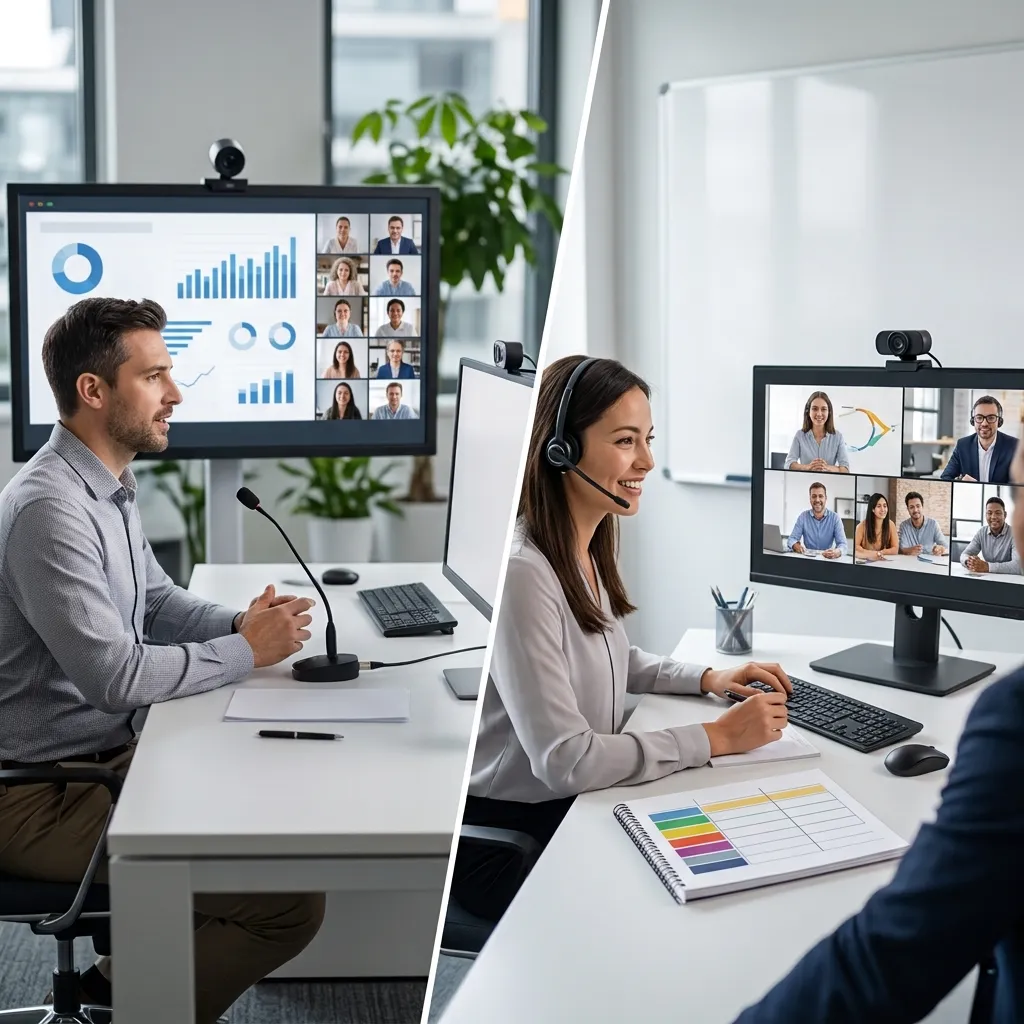
To truly dominate your specific market niche and separate your brand from the endless sea of mediocre corporate broadcasts, you must embrace advanced, highly innovative tactics for your virtual events and webinars. Industry leaders constantly push the boundaries of what virtual events and webinars can achieve by actively experimenting with new formats, unexpected delivery methods, and hyper-personalized engagement triggers. Adopting these expert-level insights will transform your strategy for virtual events and webinars from merely functional to absolutely exceptional.
One highly effective, advanced tactic for virtual events and webinars is the Simulive broadcast model. In this format, the main presentation of your virtual events and webinars is meticulously pre-recorded and professionally edited to guarantee absolute perfection in delivery and visual quality. However, the broadcast is streamed to the audience at a specific date and time, exactly as if it were entirely live. The critical advantage is that the speakers and subject matter experts are present in the live chat during the broadcast of the virtual events and webinars, answering audience questions in real-time while the flawless, pre-recorded video plays. This strategy eliminates the massive risk of live technical glitches while maintaining the highly valuable interactivity that audiences crave.
Another highly successful expert play involves integrating experiential, tangible elements into the digital environment of your virtual events and webinars. For highly targeted 1:1 or 1:Few virtual events and webinars, physically send the attendees an experience directly to their desks. For example, send high-end wine tasting kits to five key executives a week prior, and host the digital session as a wine and wealth management roundtable led by an expert sommelier combined with your lead account executive. These hybrid physical-digital experiences shatter the monotony of standard virtual events and webinars, creating incredibly deep, highly memorable emotional connections with the most vital decision-makers in your target market.
Finally, empower your sales team to utilize micro-sessions as hyper-personalized outreach tools within the broader strategy of virtual events and webinars. Instead of relying solely on massive marketing-led virtual events and webinars, train your Account Executives to quickly record and host highly customized, ten-minute digital presentations tailored specifically for a single buying committee. By utilizing lightweight technology, a sales rep can easily walk through a custom ROI model or a specific product feature request, sending the on-demand link directly to the champion to share internally. This agility and extreme personalization represent the absolute pinnacle of modern account-based marketing execution using virtual events and webinars.
Conclusion
Mastering targeted virtual events and webinars permanently transforms how you engage high-value accounts. By perfectly aligning tailored content with precise account intelligence, you accelerate the buying journey and secure lucrative enterprise contracts. Start leveraging these powerful digital experiences today to dominate your market, drive predictable revenue, and achieve unmatched ABM success.
FAQs
1. How do virtual events and webinars specifically support an ABM strategy?
They provide a highly controlled, deeply customizable environment to present hyper-relevant content directly to a pre-identified buying committee. Unlike broad marketing, ABM requires personalization, and digital events allow you to tailor the message, the speakers, and the follow-up entirely around the target account’s specific pain points and industry challenges.
2. What is the ideal length for virtual events and webinars targeting executives?
C-level executives are incredibly protective of their time. For highly targeted ABM sessions, shorter is almost always better. Aim for a maximum of 30 to 45 minutes, dedicating at least 15 minutes of that time to highly interactive, peer-to-peer Q&A or open discussion rather than just one-way slide presentations.
3. How can we ensure target accounts actually attend our virtual events and webinars?
Rely heavily on personalized, 1:1 outreach from your sales team rather than just generic marketing emails. Use direct mail, personalized video messages, and leverage the networks of your guest speakers. An invitation from a peer or a dedicated Account Executive converts significantly higher than a standard HTML blast.
4. Which metrics best prove the ROI of ABM virtual events and webinars?
Move away from vanity metrics like total registrations. Focus entirely on Target Account Attendance Rate, Pipeline Generated, Pipeline Accelerated (deals moving stages post-event), and the specific Account Engagement Score (measuring how deeply the target account interacted with polls, Q&A, and resources during the live session).
5. Should we use our standard webinar platform for highly targeted ABM virtual events and webinars?
It depends on the platform’s capabilities. For 1:1 or 1:Few events, you need a platform that supports deep customization, robust analytics, and high-quality networking/roundtable features. Premium platforms often provide the fully branded experience required for top-tier enterprise accounts, whereas standard meeting software might feel too generic.
6. How quickly should sales follow up after virtual events and webinars conclude?
Speed is absolutely critical. Sales should follow up within 1 to 2 hours of the event concluding. However, the follow-up must not be a generic “Thanks for attending” email. It must specifically reference the attendee’s actions during the event, such as a question they asked or a specific slide that generated high engagement.
7. What is the difference between a 1:Few and 1:Many strategy for virtual events and webinars?
A 1:Few event is highly exclusive, typically taking the form of an invite-only roundtable for 5 to 10 non-competing accounts within the same industry, focusing on peer networking. A 1:Many event is broader, targeting a larger list of named accounts (50+) with highly relevant thought leadership designed to generate active intent.
8. How can we make our virtual events and webinars more interactive?
Avoid death by PowerPoint. Utilize live, benchmark-focused polling, actively encourage attendees to submit questions throughout the broadcast (not just at the end), provide live whiteboarding sessions, and embed high-value downloadable assets directly into the viewing console to encourage immediate action.
9. What should we do with the recordings of our virtual events and webinars?
Never let a great recording go to waste. Host it on a dedicated, gated on-demand resource hub. More importantly, slice the recording into short highlight clips for social media, use the transcripts to create SEO-optimized blog posts, and have sales reps send specific timestamped links to prospects who couldn’t attend live.
10. Can we run successful ABM virtual events and webinars without high-profile guest speakers?
Yes, absolutely. While industry influencers help drive attendance, your internal subject matter experts (like your Head of Product or Chief Strategy Officer) often possess the exact proprietary knowledge your target accounts crave. Furthermore, inviting a highly successful current customer to co-host is often the most powerful speaker strategy available.


Live Webinars for ABM: Strategies to Engage High-Value Accounts
Capturing the attention of premium buyers requires highly targeted strategies. Live Webinars for ABM provide an exclusive, interactive platform to connect deeply...
Balancing Personalization and Privacy in Modern ABM
In today’s digital landscape, marketers are facing an unprecedented dilemma: how to deliver highly tailored experiences while safeguarding individual and corporate data....

Sustainability-Focused ABM: Driving Green B2B Marketing
B2B buyers today demand much more than just robust technological solutions and competitive pricing; they demand provable environmental responsibility. Sustainability in B2B...
