

Marketing is evolving rapidly, and one-size-fits-all approaches are falling out of favor. For organizations seeking deeper engagement and higher ROI, Account-Based Marketing (ABM) offers an innovative path forward.By focusing on specific high-value accounts rather than broad target audiences, ABM aligns marketing and sales efforts to build customized strategies that truly resonate.
This comprehensive guide will walk you through everything you need to know about ABM—from what it is and its key benefits to proven strategies and tools that drive success. By the end of this post, you’ll understand why ABM is a game-changer for business growth and how you can implement it effectively in your business.
What Is Account-Based Marketing (ABM)?
Account-Based Marketing is a highly focused business strategy in which marketing and sales teams work together to identify and target specific high-value accounts. Unlike traditional marketing that casts a wide net, ABM treats individual accounts as unique markets.
At its core, ABM aligns personalized marketing efforts with the priorities of specific target accounts. This involves tailoring messaging, content, and campaigns to meet the precise needs of key decision-makers within these accounts. The ultimate goal? Build strong, lasting relationships that drive long-term revenue growth.
What ABM Is Not
It’s essential to clear up some common misconceptions about ABM:
- Not mass B2B marketing: ABM is highly targeted. It doesn’t generate large numbers of leads but instead focuses on nurturing meaningful relationships with fewer, high-value accounts.
- Not a replacement for inbound marketing: ABM is often used alongside inbound strategies for a well-rounded marketing approach.
By understanding what ABM is and isn’t, you can begin to see how it adds value to your organization.
The Benefits of Account-Based Marketing
Why is ABM gaining traction among marketers? Here are some compelling reasons:
1. Aligns Marketing and Sales Teams
ABM requires seamless collaboration between marketing and sales, breaking down silos and encouraging teamwork. Shared goals ensure both functions are working toward the same outcomes, improving efficiency and effectiveness.
2. Maximizes ROI
By concentrating resources on high-value accounts, ABM reduces wasted efforts and increases marketing ROI. According to a study by ITSMA, 87% of marketers say that ABM delivers a higher ROI compared with other marketing approaches.
3. Builds Stronger Relationships
ABM’s personalized, account-centric approach creates meaningful connections with decision-makers. Over time, these relationships can lead to increased trust, brand loyalty, and repeat business.
4. Shortens Sales Cycles
When you target accounts with tailored campaigns, you’re addressing their pain points directly. This focused approach accelerates decision-making, effectively shortening the sales cycle.
5. Enhances Customer Retention
ABM is not just for acquiring new clients; it’s equally valuable for retaining and expanding relationships with existing accounts. By delivering ongoing value, you strengthen customer loyalty and open doors to up- and cross-selling opportunities.
What Are the Key Components of a Successful ABM Strategy?
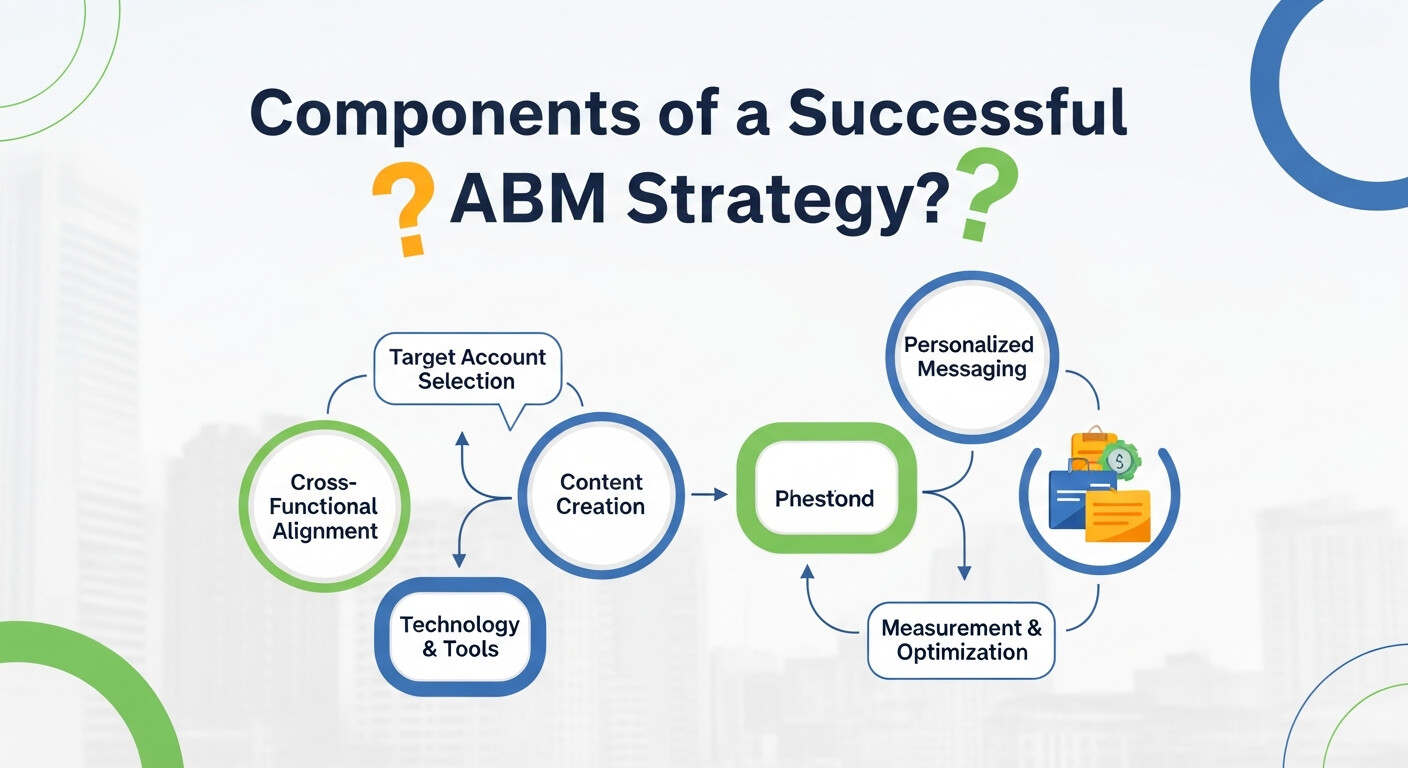
To effectively launch an ABM initiative, you’ll need to develop a strategy that integrates marketing, sales, and content efforts. Here are some essential components:
1. Account Selection
Decide which accounts to target. Focus on those with the highest potential for revenue, growth, or strategic value.
2. Personalized Campaigns
Craft tailored campaigns for each account, focusing on specific challenges they face and the solutions your product or service provides.
3. Multi-Channel Engagement
Use a multi-channel approach to connect with decision-makers at every touchpoint, whether it’s personalized emails, social media, events, or one-on-one meetings.
4. Collaboration Between Marketing and Sales
ABM success depends on collaboration. Sales reps provide insights about decision-makers within targeted accounts, while marketing delivers customized assets and messaging.
5. Data Insights
Leverage analytics and customer data to refine your approach. This fuels both targeting decisions and campaign optimizations.
How to Identify and Select Target Accounts
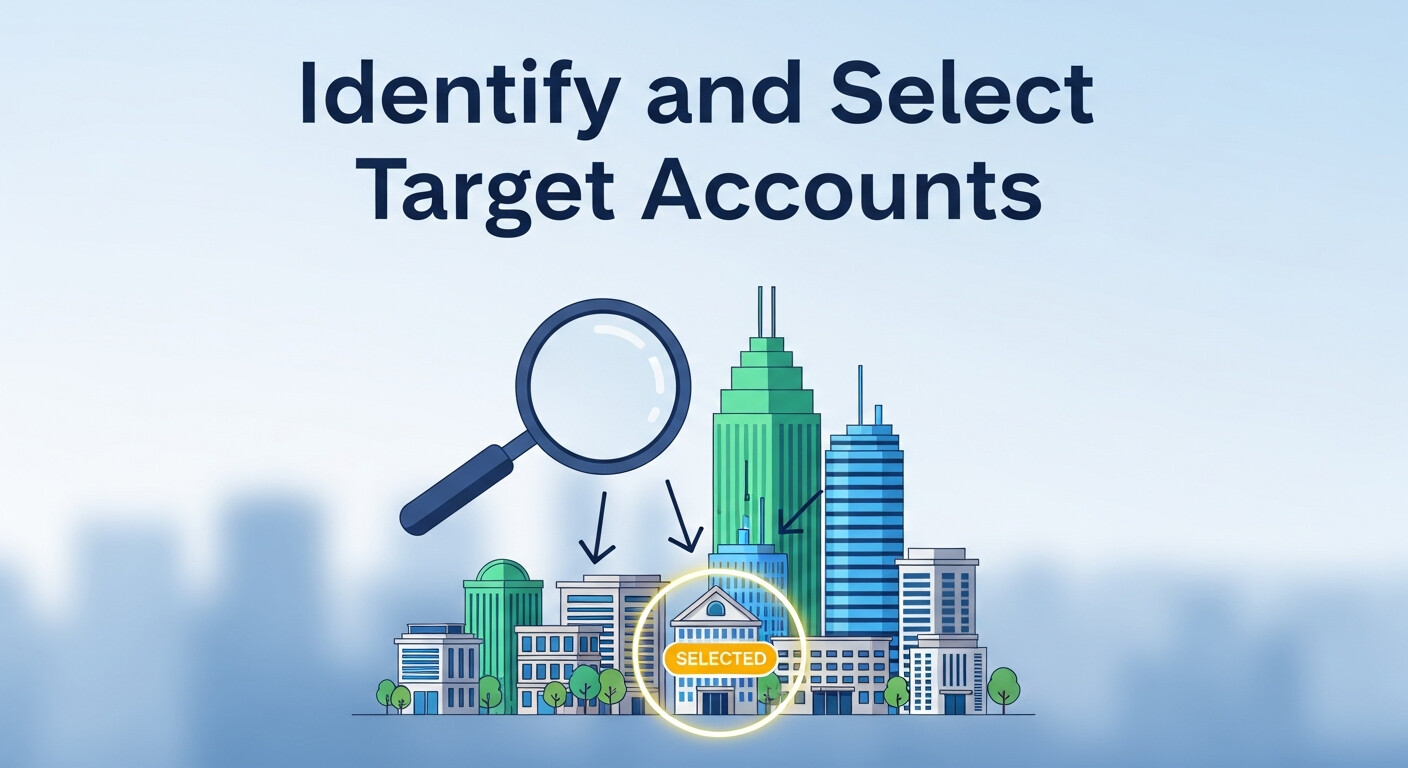
Identifying the right accounts is one of the crucial steps in ABM. Here’s how to go about it:
Step 1. Define Your Ideal Customer Profile (ICP)
Your ICP should outline the characteristics of accounts that are the best fit for your business. Think about industry, company size, annual revenue, geography, and key challenges they face.
Step 2. Prioritize High-Value Accounts
Rank potential accounts based on their likelihood of converting, growth potential, and alignment with your long-term goals.
Step 3. Use Data and Tools
ABM platforms and CRM tools can help you gather data on potential accounts. Some of the best tools include Salesforce, Demand base, and HubSpot.
Step 4. Gain Sales Insight
Collaborate with your sales team to gain additional insight into which accounts have shown intent or interest. Tools like LinkedIn Sales Navigator can also help identify decision-makers.
Creating Personalized Content for Each Account
At the heart of ABM lies personalization. Crafting content that resonates with your target accounts will set you apart from the competition. Here are examples of personalized content you can create:
- White Papers or Case Studies: Highlight how your solutions address industry pain points.
- Customized Presentations: Tailored specifically for a company’s challenges and opportunities.
- Interactive Tools: Create ROI calculators or diagnostic tools they can use to evaluate their business needs.
- Direct Mail Campaigns: Handwritten letters or curated gifts related to their interests can leave a lasting impression.
Measuring the Success of Your ABM Strategy
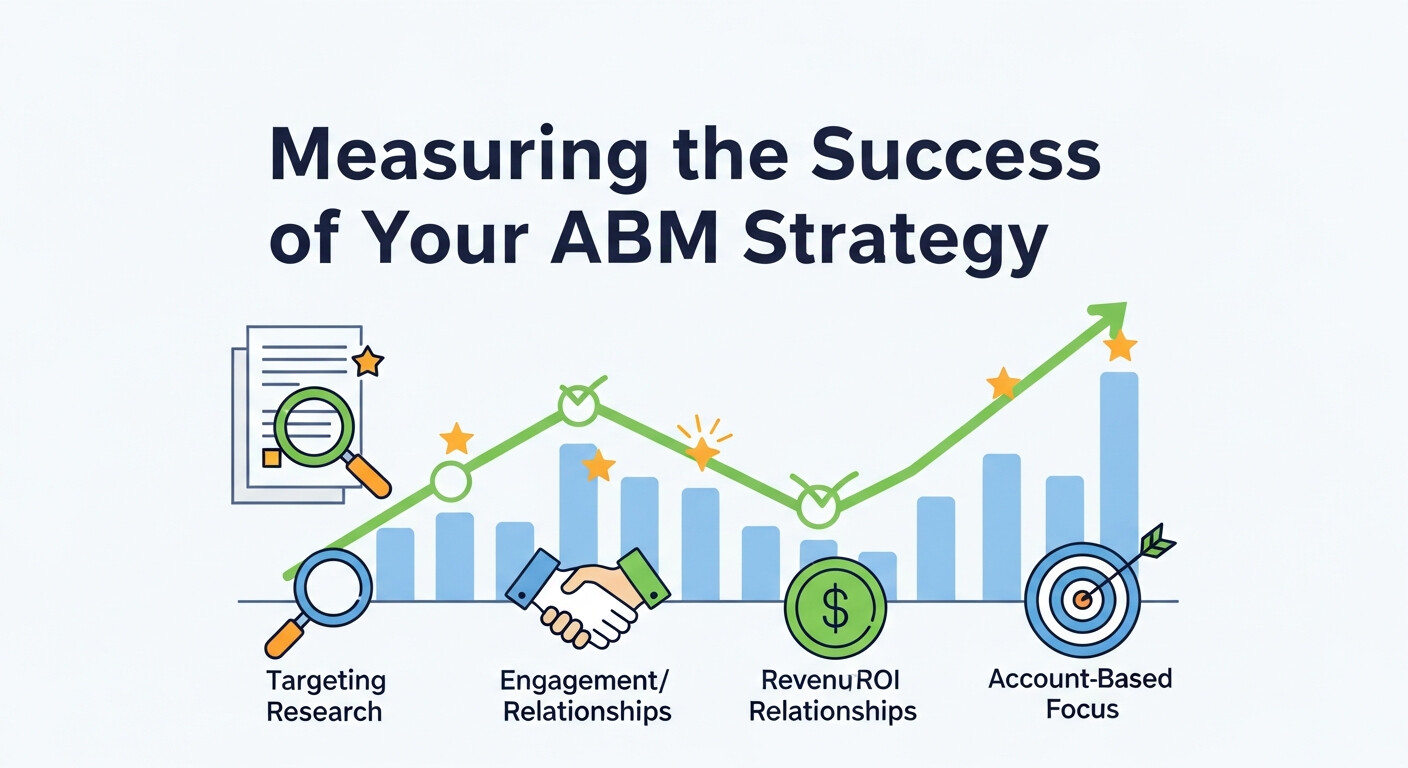
Measurement is critical within ABM to ensure your efforts deliver results. Here’s what to focus on:
- Engagement Metrics (e.g., email open rates, website visits, or meeting requests)
- Account Progression (e.g., accounts moving further down the pipeline)
- Revenue Impact (e.g., revenue generated from targeted accounts)
- Deal Size (e.g., increase in average contract value from ABM campaigns)
Tools and Technologies for ABM
Modern tools simplify ABM execution. Here are popular options you can leverage:
- CRM Platforms: Salesforce, HubSpot
- ABM Platforms: Demand base, Terminus
- Analytics Tools: Google Analytics, Tableau
- Marketing Automation: Market, Eloqua
Case Studies of Successful ABM Campaigns
Case Study 1. LinkedIn
LinkedIn used a highly focused ABM campaign to target the education sector. By tailoring messaging to the specific needs of universities, they drove a 32% increase in engagement.
Case Study 2. Snowflake
Snowflake adopted ABM to target CIOs at Fortune 500 companies. Through personalized email campaigns, events, and strong sales alignment, they saw a significant uptick in conversions.
The Future of Account-Based Marketing
The ABM landscape continues to evolve with advancements in AI, predictive analytics, and automation, providing even more sophisticated targeting. Companies that integrate ABM with digital innovations will remain on the cutting edge of marketing success, cementing ABM as a must-have strategy for years to come.
Why ABM Matters for Business Growth
Account-based marketing offers a clear path to achieving meaningful relationships with high-value accounts and long-term business success. By focusing your resources on the accounts that matter most, you can outpace competitors and drive growth.
Interested in taking your marketing efforts to the next level? Start customizing your ABM campaigns today to drive engagement and boost your bottom line.
Conclusion
Focused, personalized marketing helps businesses connect with the right accounts, improve ROI, and accelerate growth. By aligning sales and marketing while delivering relevant experiences, companies build stronger relationships and close deals faster. With the right strategy and tools, this approach creates lasting impact and long-term success.
FAQ: The Ultimate Guide to Account-Based Marketing
The Shift Toward Precision Marketing
Modern marketing is moving away from broad outreach and toward precision-driven strategies. Buyers now expect relevance, personalization, and value at every interaction. Instead of pushing generic messages to massive audiences, businesses are prioritizing quality over quantity. This shift allows teams to focus on prospects most likely to convert and build meaningful connections earlier in the journey. Precision marketing also improves efficiency, helping organizations allocate budgets wisely and reduce wasted spend. As competition increases across industries, brands that understand their ideal customers and tailor experiences accordingly gain a major advantage. This evolution sets the foundation for targeted growth and stronger long-term relationships.
Understanding Account-Based Marketing
Account-Based Marketing is a focused growth strategy where marketing and sales collaborate to target specific high-value accounts rather than large audiences. Each account is treated as its own market, with tailored messaging and customized experiences designed for key stakeholders. This approach prioritizes relevance, personalization, and relationship-building over volume. Instead of generating thousands of leads, teams concentrate on engaging decision-makers within selected companies. The result is deeper engagement, stronger alignment between departments, and more predictable revenue. When executed well, this strategy transforms how businesses approach pipeline development and customer acquisition.
Why Targeted Strategies Outperform Broad Campaigns
Broad campaigns often struggle to resonate because they speak to everyone—and therefore no one. Targeted strategies succeed by addressing specific challenges, goals, and contexts of carefully selected accounts. This relevance increases engagement and accelerates buying decisions. Prospects feel understood, not marketed to. In addition, focused outreach allows sales and marketing teams to coordinate efforts more effectively, creating consistent experiences across channels. The outcome is higher-quality conversations, improved trust, and better conversion rates. By narrowing your scope, you actually expand your impact, creating momentum with accounts that matter most to your revenue goals.
Aligning Sales and Marketing for Greater Impact
True success comes when sales and marketing operate as one team. Shared goals, clear communication, and joint planning eliminate silos and confusion. Sales contributes account insights and relationship intelligence, while marketing delivers personalized content and engagement strategies. Together, they map buying committees, identify pain points, and design coordinated outreach. This alignment reduces friction in the funnel and ensures prospects receive consistent messaging throughout their journey. When both teams are accountable for outcomes, performance improves across the board—from pipeline velocity to close rates—creating a smoother, more predictable revenue engine.
Selecting the Right Accounts
Choosing the right accounts is the foundation of any targeted strategy. Start by defining your ideal customer profile, including industry, size, revenue potential, and challenges. Then prioritize companies that align with your long-term goals and demonstrate buying intent. Data from your CRM, website analytics, and sales feedback helps refine this list. High-quality account selection ensures your resources are focused where they’ll generate the greatest return. Rather than chasing every opportunity, successful teams concentrate on organizations that offer strategic value, growth potential, and a strong likelihood of partnership.
Personalization That Drives Engagement
Personalization goes far beyond adding a company name to an email. It means crafting messaging that reflects an account’s priorities, market conditions, and business objectives. Tailored case studies, customized presentations, and industry-specific insights demonstrate real understanding. When prospects see content that speaks directly to their challenges, engagement naturally increases. Personalization also builds credibility and trust, positioning your brand as a strategic partner rather than just another vendor. The more relevant your outreach, the more meaningful the conversations—and the faster accounts move through the sales process.
Using Multiple Channels Strategically
Effective engagement happens across multiple touchpoints. Email, social media, events, direct outreach, and content marketing all play a role in building relationships. A coordinated multi-channel approach ensures decision-makers encounter your message in different contexts, reinforcing awareness and credibility. Each channel should serve a purpose within the broader strategy, guiding accounts forward step by step. Consistency is key: aligned messaging across platforms creates a seamless experience. When done right, multi-channel engagement keeps your brand top of mind and increases the likelihood of meaningful interactions.
Measuring What Matters
Success depends on tracking the right metrics. Instead of focusing only on lead volume, measure account engagement, pipeline progression, deal size, and revenue impact. Monitor how targeted accounts interact with your content and sales outreach. Are meetings increasing? Are opportunities advancing faster? These insights help refine campaigns and improve performance over time. Clear measurement also demonstrates ROI to stakeholders, making it easier to justify continued investment. Data-driven optimization ensures your strategy evolves based on real results, not assumptions.
Technology That Supports Execution
Modern platforms simplify targeting, personalization, and measurement. CRM systems organize account data, automation tools streamline outreach, and analytics platforms reveal engagement patterns. Specialized solutions help identify buying signals and map stakeholder activity. When integrated properly, technology provides a unified view of each account, enabling smarter decisions and more efficient execution. However, tools alone aren’t enough—success still relies on strategy, collaboration, and creative thinking. Technology should support your goals, not replace them.
Building Sustainable Business Growth
Targeted marketing strategies create more than short-term wins—they build lasting partnerships. By focusing on high-value accounts, delivering relevant experiences, and aligning teams, businesses establish trust and loyalty over time. This approach supports upselling, cross-selling, and long-term retention while driving predictable revenue. Companies that commit to personalization and collaboration position themselves for sustainable growth in competitive markets. The result is stronger relationships, larger deals, and a more resilient pipeline—turning strategic focus into measurable business success.