

Account Based Marketing platforms enable businesses to target, engage, and convert high-value accounts with precision. These tools improve personalization, sales and marketing alignment, and measurable ROI. By adopting the right ABM platform, organizations can drive stronger relationships and sustainable revenue growth.
Account-Based Marketing (ABM) has become one of the most effective approaches for B2B organizations seeking strategic growth. Instead of broad, lead-based marketing, ABM focuses on engaging high-value target accounts with personalized and relevant messaging, helping businesses build stronger relationships and drive better results.
To execute ABM effectively, companies need the right technology—this is where Account Based Marketing platforms come in. These platforms provide the data, tools, and automation needed to identify target accounts, deliver personalized experiences, align sales and marketing teams, and measure success at the account level.
In this guide, we will explain what Account Based Marketing platforms are, why they matter, their key features, and how businesses can use them to build a successful ABM strategy.
What Are Account-Based Marketing Platforms?
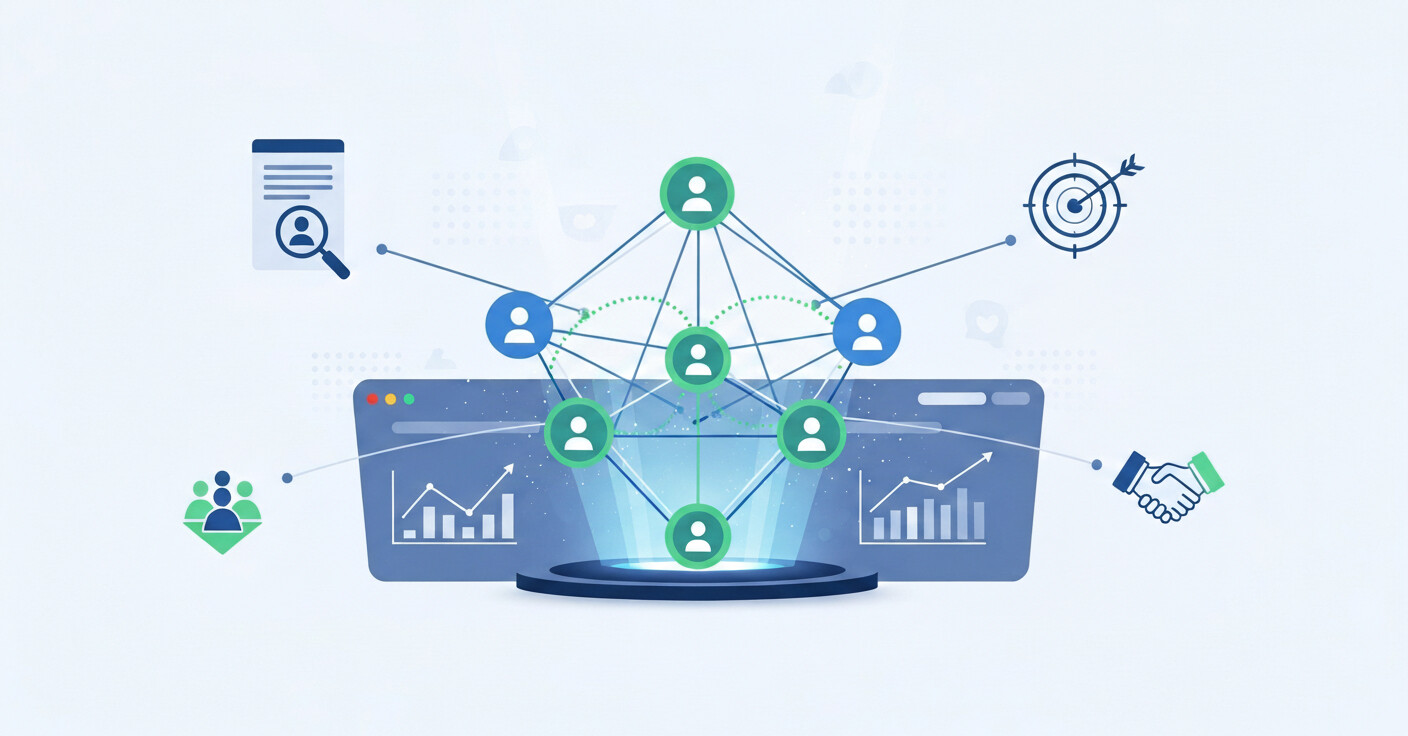
ABM platforms are specialized software solutions built to empower marketing and sales teams to identify, target, engage, and convert high-value accounts with precision and efficiency. Unlike traditional marketing tools that focus on leads, these solutions are designed around accounts, enabling businesses to treat key companies as individual markets. They combine data intelligence, automation, personalization, and performance tracking to help organizations execute highly targeted campaigns at scale.
Modern ABM platforms go beyond basic marketing automation by providing deep account insights, predictive analytics, and engagement orchestration across multiple channels. They enable marketers to move from broad-based demand generation to a more strategic, focused, and measurable approach centered on priority accounts.
The best ABM solutions typically include a powerful set of features such as:
Advanced account targeting and segmentation to help teams identify and prioritize the right accounts based on firmographics, technographics, and behavioral data.
Intent data and buyer signals that reveal when target accounts are actively researching relevant topics or solutions.
Personalization capabilities across multiple channels, including email, web, social media, and paid advertising.
Built-in marketing and sales alignment tools that ensure both teams are working from a unified account strategy.
Robust reporting and analytics focused on account performance, allowing teams to measure engagement, pipeline impact, and ROI at the account level.
Why Use ABM Platforms
As B2B buying journeys become increasingly complex, multi-stakeholder, and digitally driven, ABM software has become more critical than ever for modern organizations. Today’s buyers conduct extensive independent research, engage across multiple channels, and expect highly relevant, personalized interactions before they even speak to a sales representative. As a result, ABM is no longer just a marketing tactic or a niche strategy—it has evolved into a fully data-driven, technology-enabled approach that requires the right infrastructure, tools, and processes to be truly effective.
Without dedicated ABM tools and systems in place, businesses often struggle with fragmented data, disconnected teams, and inconsistent messaging. This makes it difficult to coordinate campaigns, tailor content to specific accounts, and accurately measure performance. Companies that rely on traditional lead-based marketing systems frequently find themselves overwhelmed by data, unable to prioritize the right accounts, and limited in their ability to scale personalized outreach efficiently.
For these reasons, adopting robust ABM solutions is not just beneficial but essential for B2B organizations looking to remain competitive in 2025 and beyond.
Here’s a deeper look at why ABM adoption is becoming a necessity:
Data-Driven Targeting
Modern ABM platforms and tools enable marketing and sales teams to quickly identify, evaluate, and prioritize high-value target accounts using real-time data, intent signals, and predictive analytics. Instead of guessing which companies might be interested, businesses can rely on actionable insights that indicate buying intent, engagement levels, and likelihood to convert. This ensures that marketing resources are focused on accounts with the highest potential revenue impact, improving efficiency and effectiveness.
Scalable Personalization
One of the biggest challenges in B2B marketing is delivering personalized experiences at scale. With advanced ABM technology, businesses can create and distribute customized messaging, content, and campaigns tailored to the specific needs, pain points, and goals of hundreds or even thousands of target accounts simultaneously. Automation and AI-powered personalization make it possible to maintain relevance and quality while expanding outreach efforts.
Stronger Sales and Marketing Alignment
ABM tools help break down traditional silos between sales and marketing by creating a unified system where both teams can access the same account data, insights, and performance metrics. This shared source of truth ensures better collaboration, clearer communication, and more coordinated account strategies. As a result, sales and marketing can work together more effectively toward common revenue goals rather than operating in isolation.
Multichannel Engagement
Today’s decision-makers engage with brands across multiple digital touchpoints before making purchasing decisions. ABM solutions allow businesses to reach and engage these stakeholders through a variety of channels, including targeted email campaigns, LinkedIn outreach, display advertising, personalized website experiences, and even direct sales interactions. This multi-channel approach ensures a consistent and seamless experience for target accounts, increasing engagement and improving conversion rates.
Measurable Results and ROI:
Unlike traditional marketing tools,
ABM software provides detailed account-level analytics that give marketing and sales teams deep visibility into how target accounts are engaging with their campaigns and content. Instead of only tracking individual leads or surface-level metrics, these tools allow businesses to monitor interactions across entire accounts, including multiple stakeholders and touchpoints. This makes it much easier to understand which accounts are showing genuine interest, how they are progressing through the buyer journey, and what activities are influencing their decisions.
With ABM software, organizations can track key performance indicators such as engagement levels, content consumption, campaign responsiveness, and overall account sentiment. These insights help teams assess how their marketing efforts are impacting the sales pipeline, identify which accounts are moving closer to conversion, and determine which strategies are delivering the best results.
Additionally, ABM software enables businesses to measure deal progression more accurately by linking marketing activities directly to revenue outcomes. This provides a clearer picture of how marketing contributes to closed deals and overall business growth. As a result, companies can better evaluate their return on investment, optimize their strategies, and make more informed decisions to improve future campaign performance.
Top ABM Platforms

ABM software has become essential for modern B2B organizations that want to move beyond traditional lead-based marketing and focus on high-value accounts. These tools bring together data, automation, personalization, and analytics to help marketing and sales teams work in a more coordinated and strategic way. By leveraging real-time intent signals, account-level insights, and multi-channel engagement capabilities, businesses can create more relevant and impactful campaigns that align with their overall revenue goals. However, while these solutions offer significant advantages, they also come with certain challenges that organizations should carefully consider before adoption.
Pros:
- Enable highly precise targeting of high-value accounts instead of broad, untargeted outreach.
- Provide access to rich intent data and behavioral insights to prioritize accounts effectively.
- Support deep personalization across email, web, social, and advertising channels.
- Improve alignment and collaboration between marketing and sales teams through shared data.
- Automate repetitive tasks, saving time and increasing campaign efficiency.
- Offer account-level analytics that make performance tracking and ROI measurement clearer.
- Help organizations focus their resources on accounts with the highest revenue potential.
Cons:
- Can be costly, making them less accessible for smaller businesses or startups.
- Implementation and onboarding often require time, training, and technical expertise.
- Some platforms have complex interfaces that can be difficult for new users.
- Over-reliance on data may sometimes limit creativity or human judgment in strategy.
- Integration with existing CRM and marketing tools can be challenging.
- Smaller teams may struggle to fully utilize all available features.
- Certain platforms may lack industry-specific customization options.
Core Capabilities of Account Based Marketing Platforms
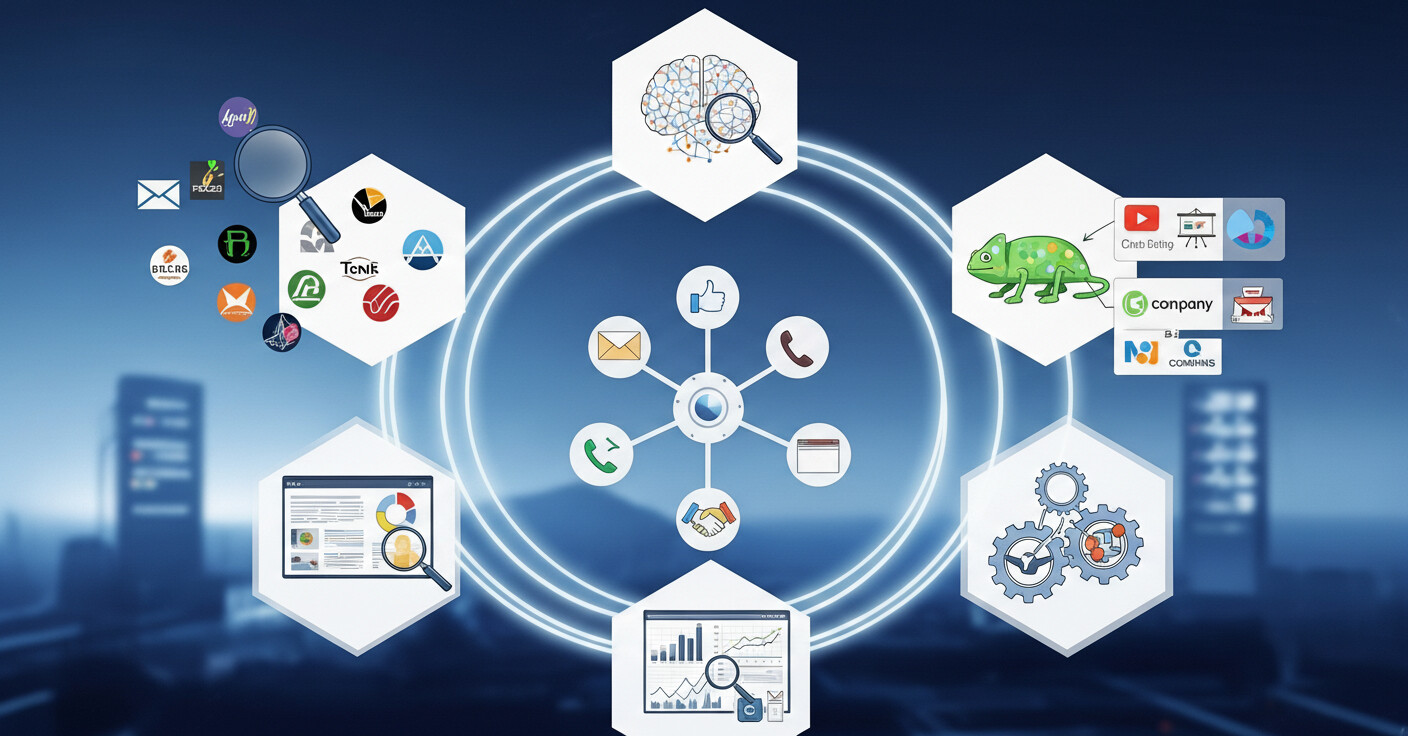
Strong Account Based Marketing platforms provide a comprehensive and interconnected set of capabilities that support every stage of the B2B buyer journey—from the moment a potential account is identified to the point of final deal closure and beyond. These platforms are not just marketing tools; they function as strategic systems that help organizations move away from broad, generic outreach and toward a more intelligent, data-driven, and account-centric approach to engagement. By combining data, automation, and analytics, these solutions enable businesses to engage the right accounts at the right time with the right message.
At the foundation of most Account Based Marketing platforms is advanced account identification and prioritization. This capability allows marketing and sales teams to define their ideal customer profile (ICP) and use firmographic (industry, revenue, company size), technographic (tools and technologies used), and behavioral data (website activity, content engagement) to select and rank the most valuable target accounts. Instead of guessing which companies might be interested, teams can rely on structured data to focus their efforts where they are most likely to generate meaningful results.
Another critical component of Account Based Marketing platforms is intent data tracking. This feature monitors digital signals such as content consumption, search behavior, and topic engagement to determine when target accounts are actively researching relevant products or solutions. By identifying accounts that are showing buying intent, businesses can time their outreach more effectively, increasing the likelihood of meaningful engagement and conversion.
Personalization capabilities are also a core strength of Account Based Marketing platforms. These tools allow marketers to tailor messaging, content, and experiences based on each account’s industry, challenges, and stage in the buying journey. This means that instead of sending generic emails or ads, businesses can deliver highly relevant communication that resonates with decision-makers and builds stronger relationships.
In addition, Account Based Marketing platforms support targeted advertising and multi-channel engagement. This ensures that key stakeholders within target accounts can be reached across multiple digital touchpoints, including email, LinkedIn, display advertising, and personalized website experiences. By coordinating messaging across channels, businesses create a seamless and consistent experience that reinforces their value proposition.
Sales enablement is another essential feature of these platforms. Account Based Marketing platforms equip sales teams with real-time insights, engagement history, and relevant content, enabling them to have more informed and meaningful conversations with prospects. Instead of relying on generic sales pitches, representatives can tailor their discussions based on each account’s specific interests and needs.
Finally, detailed reporting and analytics play a crucial role in measuring the success of ABM efforts. Account Based Marketing platforms provide visibility into account engagement, pipeline influence, deal progression, and overall campaign performance. This allows organizations to assess what is working, optimize their strategies, and clearly demonstrate the return on investment of their ABM initiatives.
Together, these interconnected capabilities make Account Based Marketing platforms a vital component of any organization pursuing a strategic and scalable ABM approach. By leveraging these advanced tools, businesses can operate more efficiently, build deeper relationships with key accounts, and drive more predictable, sustainable, and long-term revenue growth.
Popular Account Based Marketing platforms – Overview
| Platform | Best For | Strength | Limitation |
|---|---|---|---|
| Demandbase | Large enterprises | Advanced data & analytics | Higher cost |
| Terminus | Multi-channel engagement | Easy to use | Limited intent depth |
| 6sense | Predictive insights | Strong forecasting | Can be complex |
| RollWorks | Growing companies | Budget-friendly | Fewer integrations |
| HubSpot ABM | Existing HubSpot users | All-in-one system | Less advanced ABM tools |
These Account Based Marketing platforms cater to different business sizes and needs, making it important to evaluate which one aligns best with your goals.
How to Choose the Right Account Based Marketing platforms
Selecting the right ABM platform requires careful consideration of your company size, budget, and marketing objectives. Enterprises may benefit more from advanced ABM solutions like Demandbase or 6sense, while startups might prefer RollWorks or HubSpot ABM.
Integration with your existing CRM and marketing tools is another crucial factor when evaluating these solutions. The right ABM platform should seamlessly connect with your current tech stack to maximize efficiency and streamline operations.
ABM Success Framework Using Account Based Marketing platforms
| Stage | Objective | Key Tool Feature |
|---|---|---|
| Identify | Find ideal accounts | Account targeting |
| Engage | Start conversations | Personalized ads & email |
| Nurture | Build relationships | Content personalization |
| Convert | Close deals | Sales insights |
| Measure | Track impact | Account analytics |
This framework demonstrates how Account Based Marketing platforms support every stage of the ABM process, from targeting to measurement.
Traditional Marketing vs Account Based Marketing platforms
| Aspect | Traditional Marketing | Account Based Marketing platforms |
|---|---|---|
| Focus | Individual leads | Target accounts |
| Personalization | Limited | Highly customized |
| Sales alignment | Often weak | Strong collaboration |
| Measurement | Lead-based | Account-based |
| Scalability | Easier but generic | More complex but effective |
Key Features of Account Based Marketing platforms
| Feature | Purpose | Business Benefit |
|---|---|---|
| Account targeting | Identify best-fit companies | Higher conversion rates |
| Intent data | Track buyer behavior | Better timing of outreach |
| Personalization | Customize messaging | Stronger engagement |
| Ad targeting | Deliver account-specific ads | More efficient spend |
| Analytics | Measure impact | Clear ROI visibility |
Conclusion
ABM platforms have become a cornerstone of modern B2B marketing, enabling businesses to move beyond generic outreach and build meaningful relationships with key accounts. By leveraging these solutions, companies can improve targeting, personalization, and collaboration between teams.
Investing in the right ABM platform is not just a technology choice—it is a strategic decision that can drive long-term business growth and stronger customer relationship
Frequently Asked Questions
1. What is an Account Based Marketing platform?
An Account Based Marketing platform is a software solution that helps businesses identify, target, engage, and measure interactions with high-value accounts rather than individual leads.
2. How is ABM different from traditional marketing?
Traditional marketing focuses on generating a large number of leads, while ABM focuses on a smaller number of strategically selected target accounts with personalized outreach.
3. Who should use ABM platforms?
ABM platforms are best suited for B2B companies with high-value deals, longer sales cycles, and multiple decision-makers involved in purchasing.
4. Do small businesses need ABM platforms?
Yes, but they may benefit more from budget-friendly options like RollWorks or HubSpot ABM rather than enterprise-level tools like Demandbase or 6sense.
5. What is intent data in ABM?
Intent data refers to signals that indicate when a target account is actively researching topics related to your product or service, helping sales and marketing engage at the right time.
6. How do ABM platforms improve sales and marketing alignment?
They provide a shared dashboard, common account data, and unified performance metrics so both teams work toward the same goals.
7. Can ABM platforms integrate with CRM tools?
Yes, most leading ABM platforms integrate with popular CRMs like Salesforce and HubSpot, as well as marketing automation tools.
8. How do businesses measure success in ABM?
Success is measured through account engagement, pipeline influence, deal progression, and revenue attribution rather than just lead generation.