If you’re tired of “spraying and praying” with your marketing campaigns, it’s time you gave Account-Based Marketing (ABM) a shot. Many have come to describe this new approach to marketing as account-based marketing (ABM) instead of the original “shotgun” approach that you are accustomed to. The result? More personalized messaging, stronger relationships — and, most importantly, better results.
This blog will take you through what ABM is and is not. You are going to learn what it is, why it works, and the step-by-step process to put it into practice. By the end of this guide, you’ll know how ABM solutions can help you zero in on the areas where it counts most—delivering actual growth for your business.
What is Account-Based Marketing?
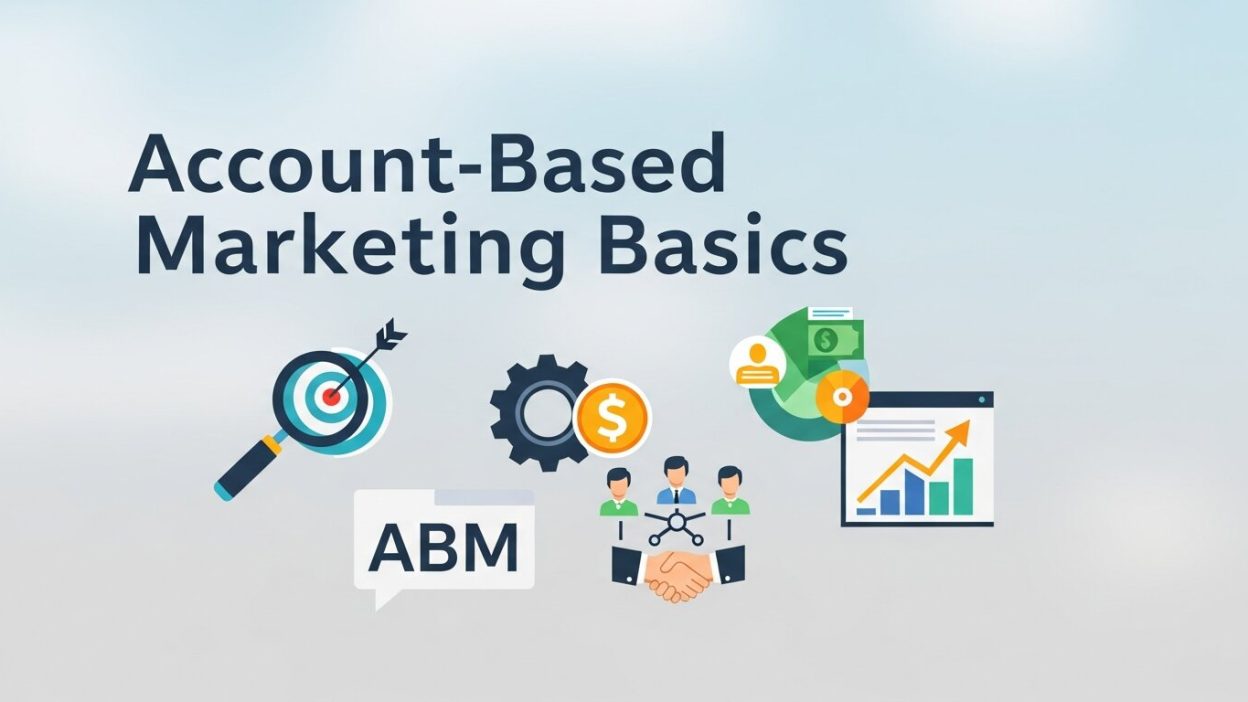
Account-Based Marketing is a highly focused business strategy in which a business considers and communicates with each lead or customer as its own market. Instead of casting a wide net, ABM focuses on creating single-customer campaigns to address the specific needs of a targeted company.
Think of it as inverting the traditional funnel. Instead of bringing in a variety of leads at the top of the funnel and qualifying them through the pipeline, ABM begins with high-value accounts as a central focus and develops a strategy to approach them head-on.
The reason that B2B businesses prefer this approach is because it enables marketers to focus their attention on accounts most likely to become revenue, which means doing a better job determining where their time and effort can be spent most effectively.
Key Components of ABM:
- Pursuing Individual Accounts: Rather than targeting a wide market, ABM is centered around a small set of high-value accounts.
- Targeted Campaigns: The Message is customized to position specific pain points and requirements of the account.
- Marketing-Sales Coordination: ABM works best when sales and marketing efforts are aligned to engage and convert target accounts to closed business.
Benefits of Account-Based Marketing (ABM)
Account-Based Marketing is catching the eye of people across businesses and industries. So why are there so many organizations aligning ABM to their marketing strategies? Because it’s a data-driven approach with measurable, tangible outcomes. Here’s why ABM works so well:
- Higher ROI: ABM delivers better ROI than any other B2B marketing tactic — or so 87% of marketers claim. You may find that by targeting high-value accounts, you no longer waste resources chasing less qualified leads.
- Tighter Sales and Marketing Integration: ABM is meant to bring your sales and marketing arms together. With the sharing of data and insights, both work together toward the common objective, creating a cohesive buying experience that accelerates target accounts through the buyer’s journey.
- Individualized Consumer Interactions: ABM revolves around personalization. Custom messages create trust and solve particular problems faced by each account, so it’s easier to close leads.
- Efficient Resource Allocation: With ABM, your team is strategically deploying resources where they have the most potential. This way, you ensure that your small budget and manpower are utilized efficiently and yield results.
- More Durable Customer Relationships: Prioritizing every account is the key to building stronger relationships with the most important decision-makers. These relationships result in loyalty and lifelong business relationships.
Step 1: Finding and Selecting Target Accounts
First, create a list of your target accounts, then:
- Create Your Ideal Customer Profile (ICP): Describe the parameters that make a good account – e.g., industry, company size, revenue, location.
- Assess Your Existing Client Base: Identify commonalities from your most successful clients. Leverage this information to refine your target account list.
- Leverage Data Tools: Use technology such as LinkedIn Sales Navigator, HubSpot, or ZoomInfo to zero in on the accounts that are the best fit for your ICP.
- Collaborate with Sales Teams: Sales teams know who the most promising accounts are. Leverage their insights as you construct your list of targets.
Step 2: Generating Tailored Content for Each Account
Now that you’ve identified your list of target accounts, the next logical step is to create content that speaks directly to their specific wants and needs.
- Know What It’s Like to Be Your Customer: Speak with sales reps, find out what challenges the company faces, and what their goals are.
- Tailor Messaging: Put all that information to good use by creating campaigns that are aimed at showing how your business can, in fact solve their problem specifically. Avoid generic language.
- Present the Content the Way It Should Be Presented: From a personalized email to a case study or perhaps a webinar, make sure that content formats are aligned with the way that the account prefers to consume content.
Personalized ABM Content Examples:
- Personalized Case Studies: Show reinforcement from success stories of other vendors in a similar field.
- Specials: Offer value to your guests through account-specific discounts or specials.
- Interactive Offerings: Host private webinars or build demos based on the account.
Step 3: Measuring the Effectiveness of Your ABM Strategy
You’ve identified and reached out to your target accounts, then delivered personalized content, but how do you know if your ABM campaign is actually working? Success measurement is essential in ABM to be able to keep improving along the way.
Key Metrics to Evaluate:
- Account Engagement: How are your targeted accounts interacting with your campaigns? Monitor open rates, clickthroughs, and webinar attendance.
- Pipeline Velocity: Monitor how quickly these accounts are moving through your sales funnel after being exposed to ABM campaigns.
- Revenue Growth: Monitor your ABM-targeted accounts’ revenue and be accountable.
- Return on Investment (ROI): Compare the expense of ABM campaigns to the revenue generated to check if it’s really worth your effort.
Aligning ABM with the Buyer’s Journey
A successful ABM campaign does not end with initial outreach. It must align closely with every stage of the buyer’s journey—from awareness to decision-making. At the early stage, educational content builds credibility and opens dialogue. During the consideration stage, personalized case studies and ROI breakdowns help strengthen trust. Finally, decision-stage assets such as tailored proposals and executive briefings move accounts toward conversion. Advanced teams also integrate Account-Based Retargeting Strategies to re-engage stakeholders who interact with ads, emails, or landing pages. This ensures your brand stays visible without overwhelming the prospect. By mapping messaging to intent signals and buying stages, you create a seamless experience that nurtures high-value accounts efficiently and increases overall deal velocity.
Using Data to Prioritize High-Intent Accounts
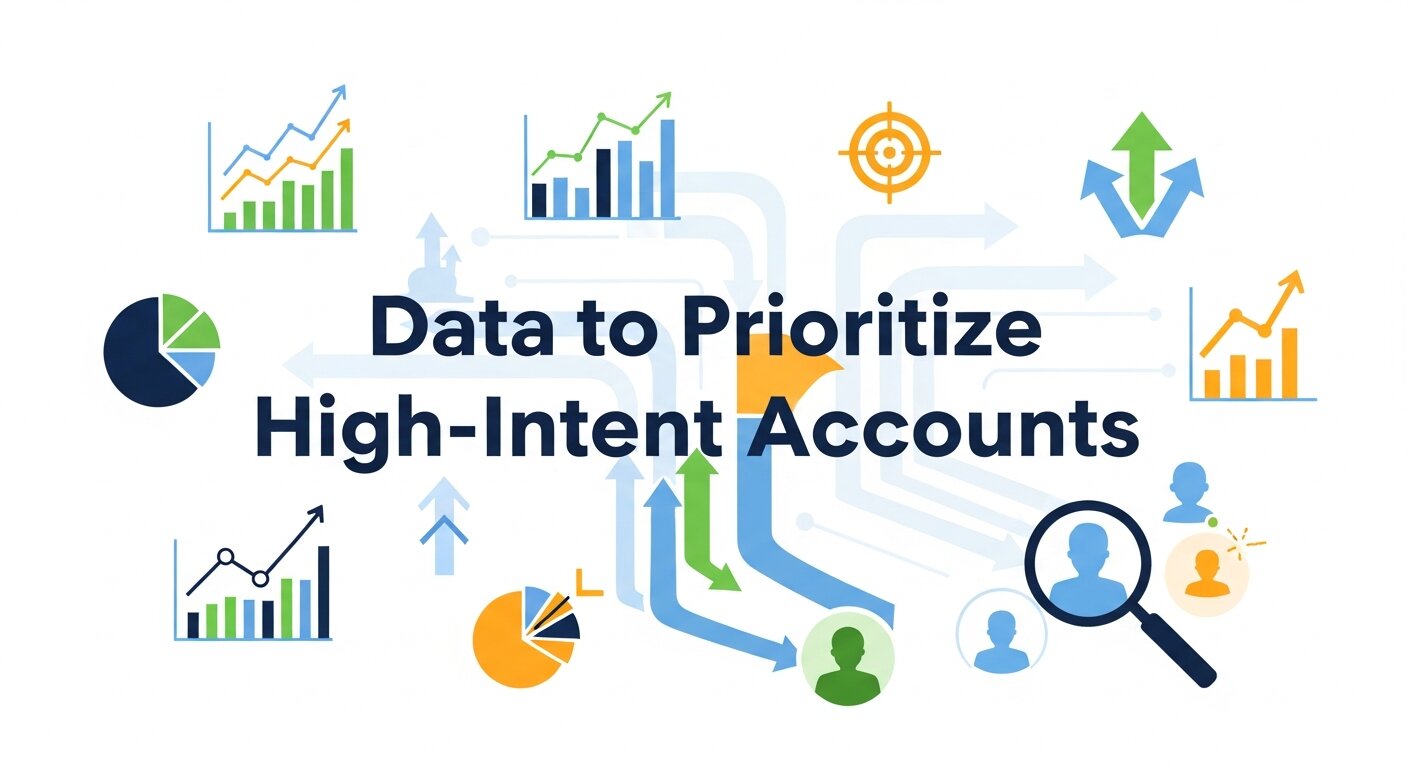
Not every target account is equally ready to buy. Smart ABM programs rely heavily on behavioral data and intent signals to identify which companies are actively researching solutions. Website visits, content downloads, competitor comparisons, and search activity provide powerful indicators of interest. This is where Predictive Account-Based Marketing becomes valuable. By analyzing historical data and patterns, businesses can forecast which accounts are most likely to convert and prioritize outreach accordingly. Instead of relying on guesswork, marketing and sales teams can allocate resources strategically. Data-backed prioritization reduces wasted effort, increases engagement rates, and ensures that outreach focuses on accounts showing real buying signals rather than passive interest.
Leveraging Technology to Scale Personalization

Personalization is at the heart of ABM, but scaling it manually can be overwhelming. Modern marketing technology allows teams to deliver tailored experiences without sacrificing efficiency. Automation platforms can customize website content, email messaging, and ad creatives based on account-level data. AI-Powered Account-Based Marketing enhances this further by dynamically adjusting messaging depending on engagement behavior and predictive insights. For example, if a target account frequently visits pricing pages, automated workflows can trigger a custom demo invitation. Technology ensures personalization remains relevant, timely, and data-driven. When used correctly, automation supports human strategy rather than replacing it, allowing businesses to scale meaningful engagement across multiple high-value accounts simultaneously.
Building Multi-Channel Engagement Plans
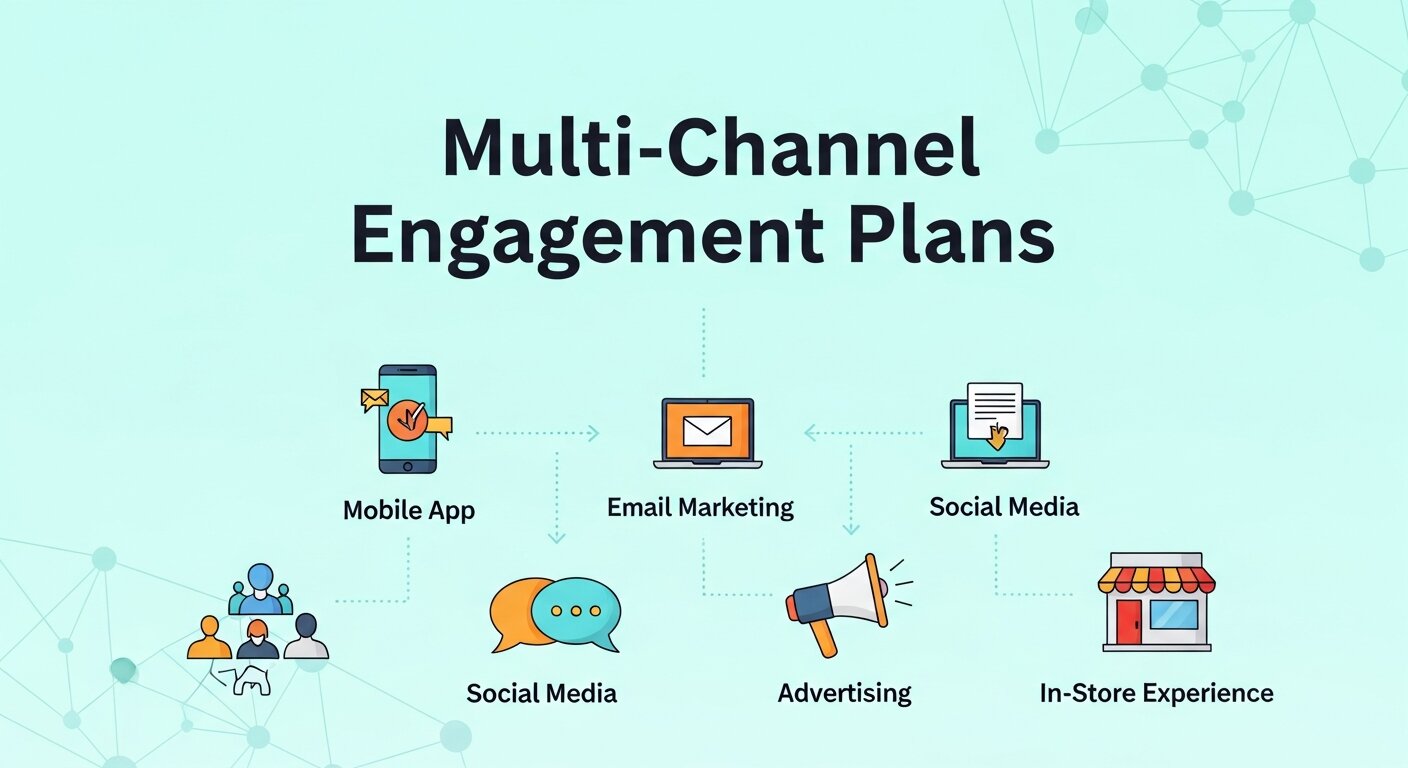
ABM works best when it leverages multiple communication channels simultaneously. Relying on just email or LinkedIn limits your visibility within target accounts. Instead, combine personalized email outreach, social engagement, targeted advertising, direct mail, and even phone calls. The goal is to create coordinated touchpoints that reinforce your message across platforms. When decision-makers encounter consistent, relevant messaging through various channels, brand recall increases significantly. Multi-channel campaigns also allow you to reach different stakeholders within the same organization. A CFO may respond to financial insights, while a marketing director may engage with performance data. Coordinated engagement strengthens credibility and accelerates buying decisions.
Strengthening Sales and Marketing Collaboration
ABM cannot succeed in silos. Sales and marketing must operate as a unified revenue team with shared goals, metrics, and communication. Marketing generates insights about engagement, while sales provides frontline feedback about conversations and objections. Weekly alignment meetings, shared dashboards, and joint account planning sessions ensure both teams remain synchronized. When marketing understands sales pain points, content becomes more relevant. When sales understand campaign messaging, outreach becomes more cohesive. This collaboration creates a consistent experience for the prospect. Ultimately, alignment shortens sales cycles, increases win rates, and builds trust with key stakeholders. ABM thrives when both departments move forward with a single, coordinated strategy.
Scaling ABM Without Losing Personal Touch
As your business grows, expanding ABM efforts can feel challenging. The key is creating repeatable frameworks without sacrificing personalization. Start by segmenting accounts into tiers based on revenue potential. High-tier accounts may receive highly customized one-to-one campaigns, while mid-tier accounts can be grouped into one-to-few strategies. Documented processes for research, messaging templates, and content adaptation help maintain quality at scale. Automation should support personalization rather than replace it. Regular performance reviews allow you to refine messaging and adjust targeting. By balancing structure with flexibility, businesses can scale ABM campaigns efficiently while preserving the relationship-driven approach that makes this strategy so powerful.
Fuelling Growth with Account-Based Marketing
Andrew Maff, Director of the TSI Group, a B2B-focused digital marketing agency, explains how, because of its ability to hone resources, custom-tailor experiences, and strengthen relationships, ABM is one of the most powerful tools a B2B marketer can have in their tool belt. It’s not just a fad, it’s a real game-changer for businesses seeking to supercharge their marketing reach and ensure continuous growth.
But by sticking to the basics of Account-Based Marketing outlined in this guide, you can be prepared to deliver targeted campaigns with real impact. No matter if you’re a beginner or honing your approach, in the world of B2B, ABM provides boundless opportunities.
Take the plunge and supercharge your marketing by breaking down barriers to growth at this point in time.
Frequently Asked Questions (FAQ) About Account-Based Marketing (ABM)
1. Is Account-Based Marketing only for large enterprises?
No, ABM is not limited to large corporations. While enterprise companies were early adopters due to bigger budgets and longer sales cycles, small and mid-sized B2B businesses can benefit just as much. In fact, ABM can be even more impactful for smaller teams because it ensures limited resources are focused only on high-value accounts. With the right data tools and alignment between sales and marketing, even startups can run highly targeted ABM campaigns without massive spending.
2. How is ABM different from traditional lead generation?
Traditional lead generation focuses on attracting a large number of leads and then qualifying them through the funnel. ABM flips this model. Instead of generating volume first, you identify specific high-value accounts and build personalized campaigns around them. It’s a quality-over-quantity approach. Rather than hoping ideal clients enter your funnel, you proactively engage the exact companies you want to work with.
3. How long does it take to see results from ABM?
ABM is a strategic, long-term approach. Depending on your sales cycle, you may begin seeing engagement improvements within a few weeks. However, meaningful revenue impact often takes 3–6 months or longer, especially in industries with complex buying processes. The advantage is that ABM typically produces higher deal sizes and stronger client retention over time.
4. What tools are commonly used for ABM?
Several platforms support ABM execution, including CRM systems, data enrichment tools, and intent-data platforms. Popular tools include LinkedIn Sales Navigator, HubSpot, ZoomInfo, and account-based advertising platforms. The key is choosing tools that integrate well with your existing marketing and sales stack to maintain alignment and track performance effectively.
5. What are the biggest challenges in implementing ABM?
The most common challenges include poor sales-marketing alignment, lack of quality data, and insufficient personalization. ABM requires close collaboration between teams and a deep understanding of target accounts. Without alignment and research, campaigns can feel generic, defeating the purpose of ABM. Clear communication, shared KPIs, and consistent measurement are critical for success.
6. How many accounts should you target in an ABM campaign?
There’s no universal number. Some companies target 5–20 high-value enterprise accounts, while others may focus on 50–200 mid-market companies. The ideal number depends on your team size, deal value, and capacity for personalization. The key is maintaining quality engagement rather than scaling too quickly.
7. Can ABM work alongside inbound marketing?
Absolutely. ABM and inbound marketing can complement each other. Inbound attracts broad interest and builds brand authority, while ABM focuses on converting specific high-value accounts. When used together, inbound content can support ABM campaigns by nurturing stakeholders within targeted accounts.