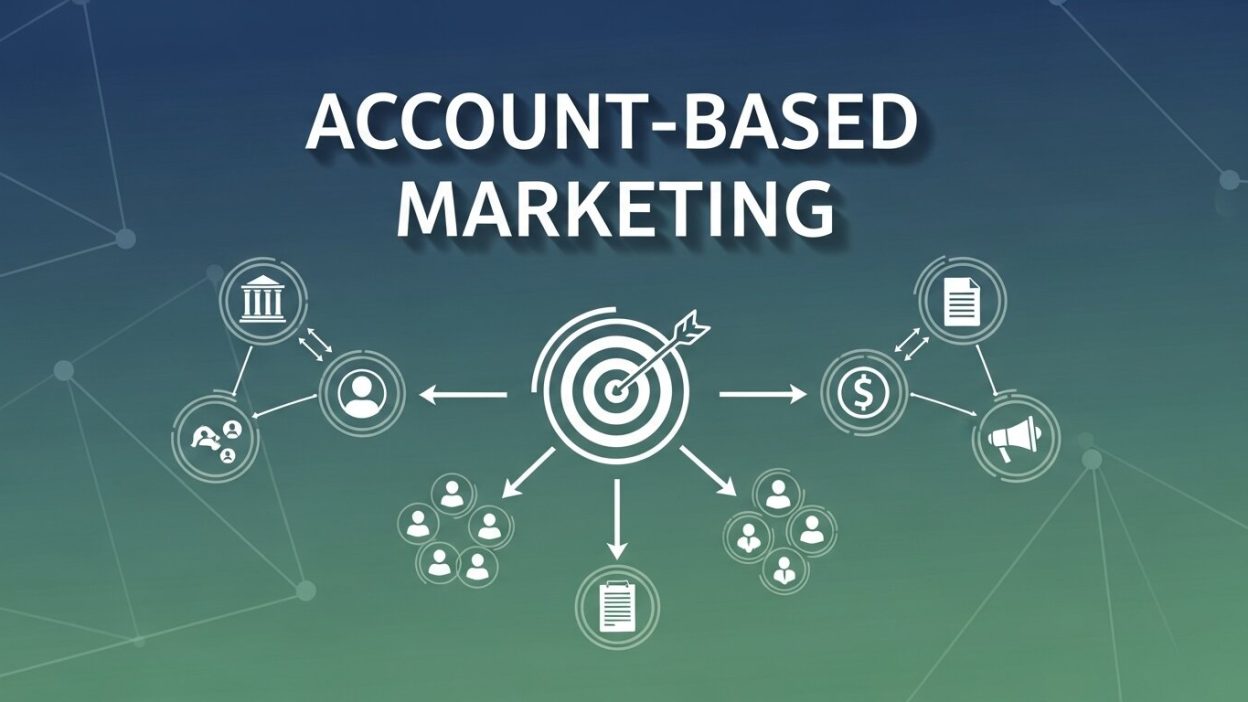
The way businesses are tackling B2B marketing is changing with Account-Based Marketing (ABM). By treating individual accounts as the market of one and developing a custom, personalized go-to-market strategy for each account, ABM enables businesses to concentrate their efforts on their most valuable prospects and develop stronger relationships that lead to successful outcomes.
This case study explains how one mid-sized SaaS company used ABM to address its marketing challenges, engage with its key accounts, and see tangible business growth. If you’re wondering how ABM might benefit your business, take a deeper dive into this strategy and its implications below.
Meet the Company
The company in question is not a very large SaaS business that focuses on project management for businesses. At its core, the company’s mission is to make it easier for teams to work together more efficiently by streamlining communication and sharing. They work mostly with large companies in industries including technology, finance, and retail.
The Goal
The company had two main objectives:
- Reach decision-makers at enterprise companies.
- Increase the top of the funnel leads volume in order to generate more conversions.
Even though the company had a great product in place, they realized their typical demand generation methods, such as (broad) email campaigns and generic digital ads, didn’t produce the engagement or sales growth they were aiming for from their most valuable accounts.
The Challenge
Even though they had a desirable solution, they had a hard time reaching high-value B2B prospects. Their old-fashioned advertising brought in low-quality leads, leaving the sales team to sift through prospects who take too long to convert.
Key challenges included:
- Getting to the right people at target accounts.
- Standing out in a very noisy market filled with similar tools.
- Marketing and Sales efforts integration, for the best customer experience.
For such challenges, they required a more targeted and effective approach. Introducing Account-Based Marketing.
Developing an Effective ABM Strategy
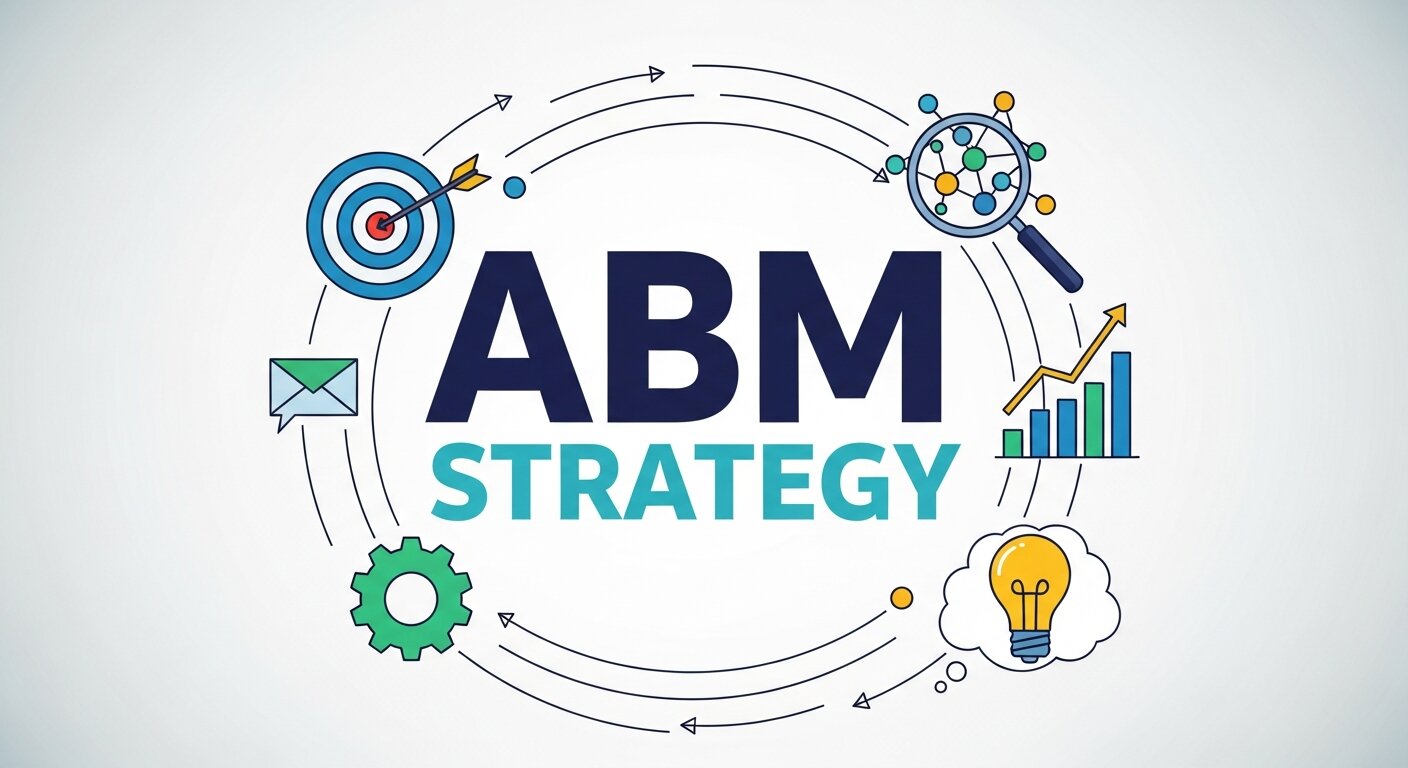
Sensing that it was time to change up the game, marketing switched to an Account-Based Marketing model. ABM enabled the company to allocate resources toward focusing on a small and curated list of strategic accounts, instead of spraying and praying. It was a persona-based approach and the marketing and sales team worked together to win.
Key Components of Their ABM Strategy:
Identifying Target Accounts:
Leveraging intent data, and CRM analytics, the marketing team targeted 50 high-value accounts that fit best with their ideal customer profile (ICP). These included business size, revenue, industry, and current pain points.
Customized Content Creation:
The squad crafted hyper-targeted content against each target account. This consisted of personalized recorded video messages, personalized eBooks on how the account was overcoming their problems, and examples of industry-specific uses.
Relationship Building, Now Focused on the Account:
Marketing and sales efforts worked closely to develop a map of relationships at every target account. They revealed who their target stakeholders are (decision-makers, influencers, and sometimes champions) so they can add value in every step of the buying process.
Omnichannel Outreach:
The organization took an omnichannel approach; it combined email, LinkedIn ads, direct mail, and live events to make sure its message was heard by all the stakeholders involved in target accounts.
Tailored Landing Pages:
Every target account had a unique landing page created specifically for that account, tailored with personalized offers and messaging. This meant that readers could quickly grasp how the product directly addressed their specific needs.
Implementation
With the ABM campaign settled, the work started in earnest. Here is how the campaign played out:
Step 1: Teams Alignment
The marketing and sales team workshops set objectives, defined roles, and checked alignment. They created a joint dashboard to track KPIs, so that both teams stayed in sync during the campaign.
Step 2: Personalized Campaign Assets
The team generated assets, namely:
- Personalized Videos: New videos were personalized and sent to targeted prospects through LinkedIn and email.
- White Papers – Mardoc: Inside Industry reports on how the SaaS offering helped solves industry specific problems.
- Direct Mail: Our target audience received a branded “starter kit” through the mail to create excitement and engagement.
Step 3: Omnichannel Rollout
The omnichannel campaign was phased in:
- Introductions on email and LinkedIn were made to warm up any leads.
- Targeted ads and direct mail steered interested prospects toward the next step.
“Dedicated account managers slotted in custom demos for potential customers who wanted to know more.”
Step 4: Tracking and Optimization
In order to efficiently measure results, the company monitored metrics on an ongoing basis – such as account engagement, click-through rate and meeting requests. Components of the campaign that were underwhelming were quickly redeveloped and re-targeted.
The Results
The ABM effort delivered remarkable results, well beyond those of a traditional demand-gen program. Here’s what the company accomplished:
Improved Engagement
- Target account engagement up 200%
- Custom videos had an even higher 35% click-through rate
Streamlined Sales Process
“In the case of sales, reps told us that 75% of the meetings with those targeted accounts were good appointments, up from 50% prior to the campaign beginning,” Smith continued.
Accelerated Deal Closures
The sales timeline was compressed by 30% because potential clients came in with a clear understanding of what the product was worth.
Increased Revenue
Six months later, the company had landed 12 new enterprise customers and $1.5 million in new annual recurring revenue.
Greater Marketing and Sales Alignment
The business marketing campaign further cemented the link between sales and marketing and provided a more cohesive and cohesive revenue generation engine.
Why ABM Works
This is a great Account-Based Marketing success story in action. Because ABM zeroes in on a defined group of top-value targets and provides a personalized experience, it allows you to maximize ROI and cultivate meaningful relationships.
Lessons learned from this case study:
- Start Small: Work with a small number of accounts to get on top of before scaling.
- Code-sign teams early: Marketing and sales alignment are key to your ABM success.
- Create Custom Everything: Custom content and messaging directly leads to higher engagement and conversions.
Is ABM Right for Your Business?
So, if you want to engage with valuable leads, reduce your sales cycle or get the most out of your revenue, Account-Based Marketing may be the kind of strategy you need to consider for your business.
Considering rolling out an ABM campaign? Begin by dissecting your ideal customer profile and creating a list of target accounts. And if you’re looking to kick your marketing into high gear with ABM, contact us today to see how we can help.
Leveraging Data for Smarter Account Selection
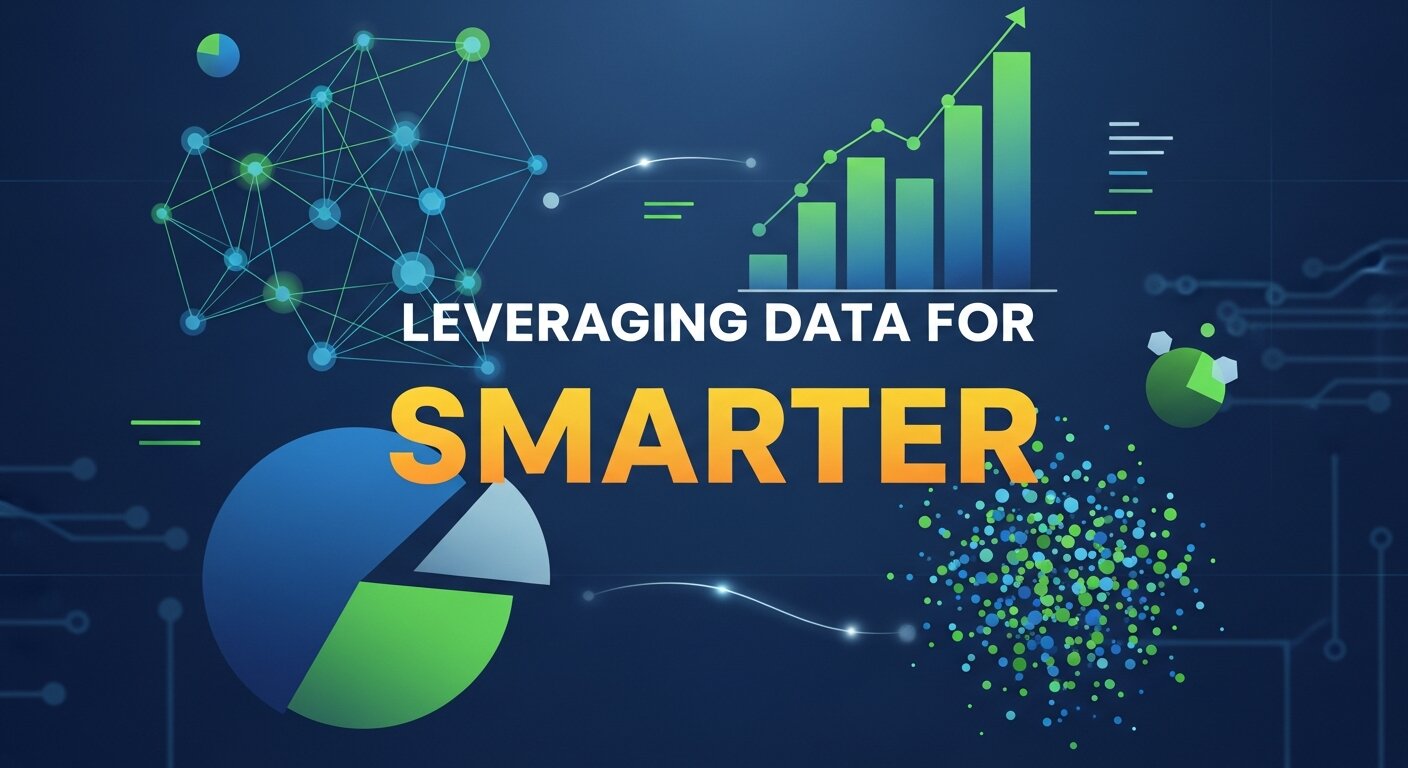
Selecting the right accounts is the foundation of any successful ABM campaign. While traditional ICP filtering helps narrow down industries and company sizes, modern B2B teams go deeper by analyzing behavioral signals, buying intent, and historical engagement patterns. By integrating CRM insights with third-party data sources, businesses can identify which accounts are actively researching similar solutions.
Advanced approaches such as Predictive Account-Based Marketing allow companies to prioritize accounts based on likelihood to convert, rather than assumptions alone. This ensures that marketing and sales teams invest time and budget where it matters most. Instead of reacting to inbound interest, organizations can proactively approach accounts that show early buying signals, increasing efficiency and accelerating pipeline growth.
Retargeting High-Value Decision Makers
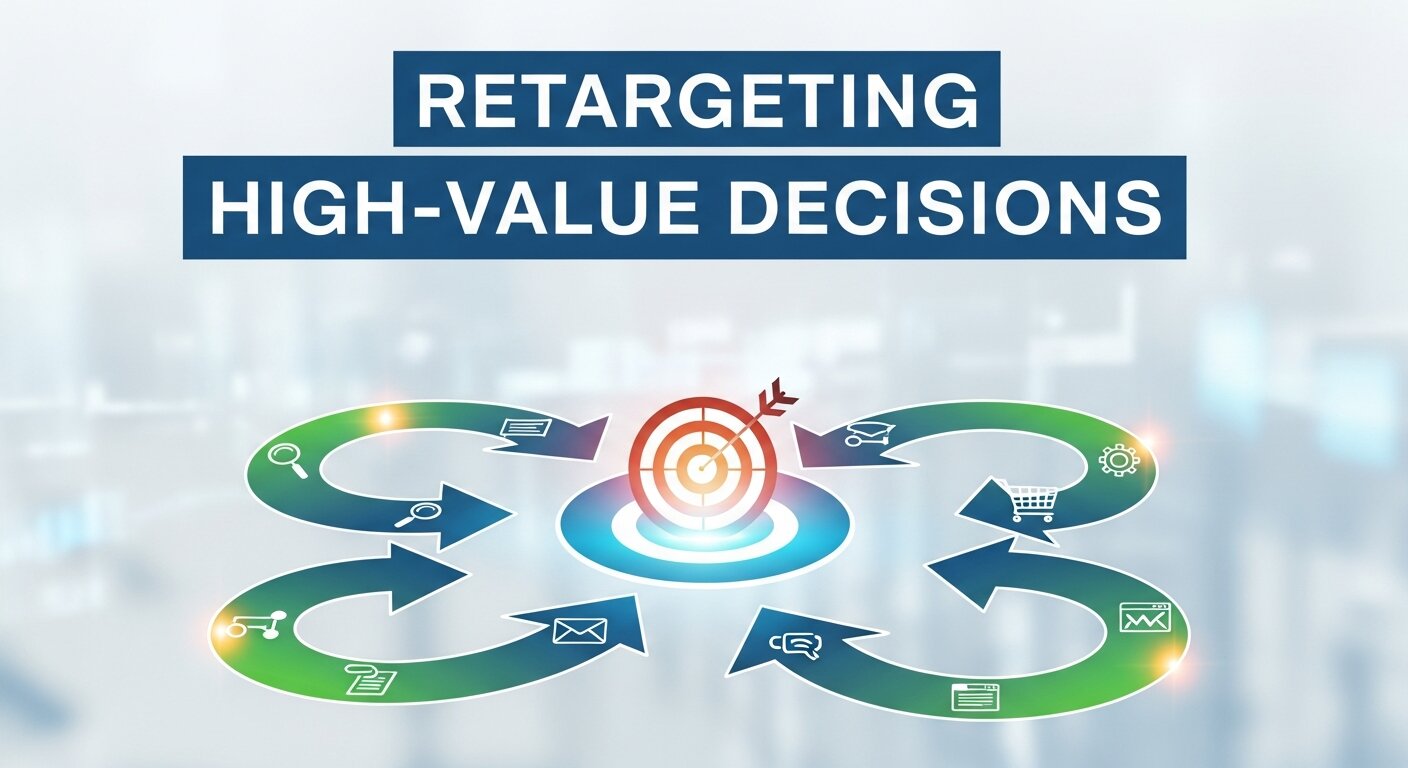
In complex B2B environments, decision-makers rarely convert after a single interaction. They require multiple touchpoints before engaging in meaningful conversations. This is where strategic retargeting plays a crucial role. By tracking account-level engagement across email, website visits, and ad interactions, businesses can re-engage stakeholders with tailored messaging.
Account-Based Retargeting Strategies focus specifically on individuals within target companies rather than broad audience pools. This ensures ad spend is directed toward qualified prospects already familiar with the brand. Personalized display ads, sponsored LinkedIn content, and remarketing emails reinforce credibility and keep the solution top-of-mind. Over time, this consistent presence builds trust and increases the probability of booking meetings and closing deals.
The Role of Artificial Intelligence in ABM Execution
Technology is reshaping how ABM campaigns are executed and optimized. Artificial intelligence now enables deeper personalization, automated segmentation, and smarter content recommendations. Instead of manually analyzing campaign data, AI-powered tools identify patterns in engagement behavior and suggest adjustments in real time.
AI-Powered Account-Based Marketing enhances targeting accuracy by identifying hidden correlations between account behavior and conversion likelihood. For example, if specific job roles consistently engage with technical whitepapers before requesting demos, campaigns can automatically prioritize similar stakeholders. AI also assists in optimizing send times, content formats, and ad placements. The result is a more agile and adaptive ABM strategy that continuously improves performance without requiring constant manual intervention.
Scaling ABM Without Losing Personalization
One common misconception is that ABM only works for a small number of accounts. While starting small is recommended, scaling is entirely possible with the right structure. The key lies in tiered account segmentation. High-value Tier 1 accounts receive fully customized campaigns, while Tier 2 and Tier 3 accounts receive semi-personalized messaging based on industry or role clusters.
Automation tools help replicate personalization at scale without diluting impact. Dynamic landing pages, personalized email variables, and industry-specific ad creatives allow businesses to maintain relevance across hundreds of accounts. By balancing automation with human oversight, companies can expand their ABM reach while preserving the tailored experience that drives high engagement and stronger conversion rates.
Measuring Long-Term Account Impact
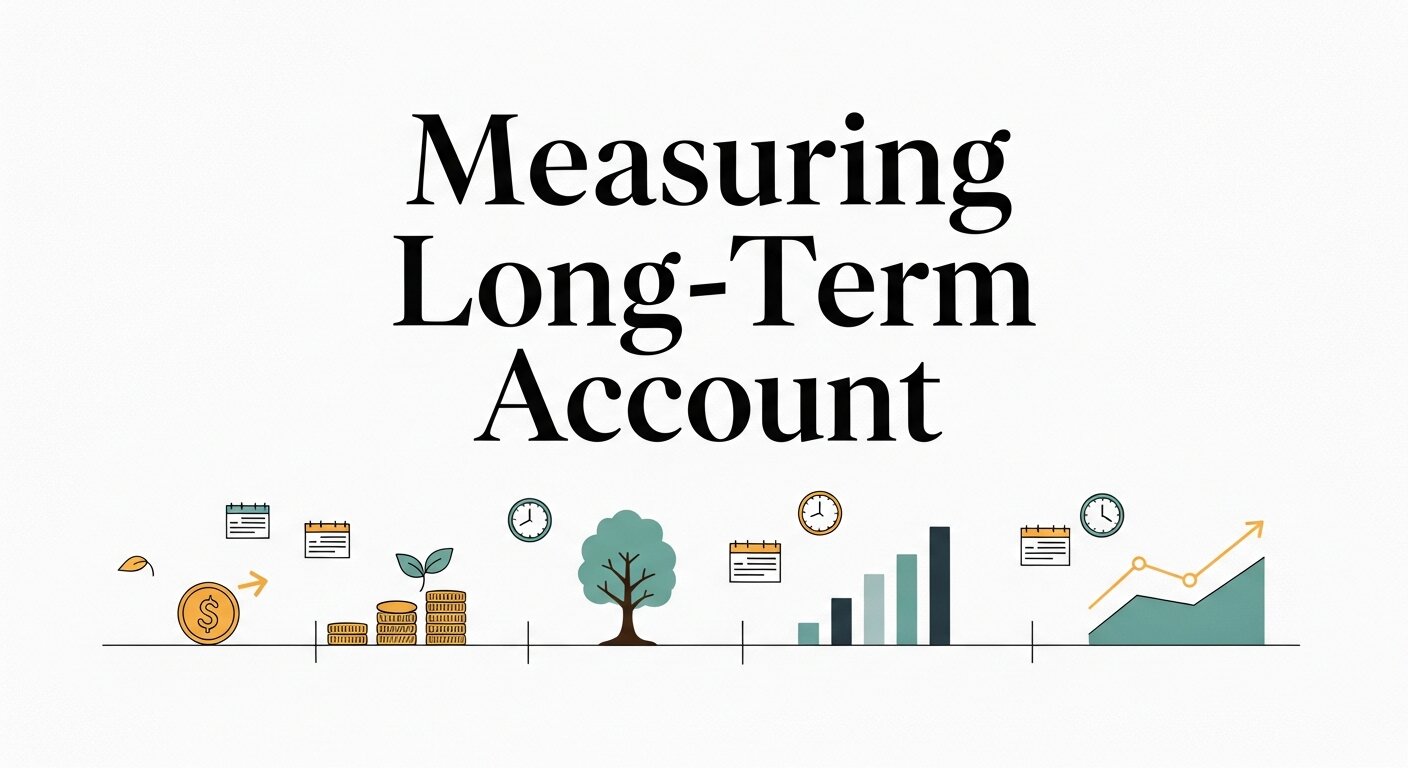
Traditional marketing often measures short-term wins, but ABM success should be evaluated through long-term account growth. Beyond initial deal closure, businesses must analyze expansion revenue, upsell opportunities, and customer retention within targeted accounts. ABM creates stronger relationships, which frequently lead to multi-year contracts and cross-department adoption.
Tracking account penetration rate, average contract value growth, and stakeholder engagement depth provides a more comprehensive picture of impact. When sales and marketing review these metrics together, they can refine messaging and identify expansion opportunities earlier in the customer lifecycle. This long-term measurement approach transforms ABM from a campaign tactic into a sustainable revenue growth framework.
Frequently Asked Questions (FAQ)
1. What is Account-Based Marketing (ABM)?
Account-Based Marketing (ABM) is a highly focused B2B growth strategy where marketing and sales teams collaborate to target a specific list of high-value accounts instead of a broad audience. Rather than generating hundreds of unqualified leads, ABM treats each account as a “market of one,” delivering personalized messaging, content, and outreach tailored to that company’s unique needs, pain points, and decision-makers. This approach increases engagement quality, shortens sales cycles, and improves overall ROI.
2. How is ABM different from traditional demand generation?
Traditional demand generation focuses on attracting as many leads as possible through broad campaigns like generic ads or email blasts. ABM, on the other hand, prioritizes quality over quantity. Instead of filling the top of the funnel with large volumes of leads, ABM concentrates on pre-selected high-value accounts. Messaging, campaigns, and outreach are customized specifically for those accounts, leading to stronger relationships, better engagement, and higher conversion rates.
3. What types of businesses benefit most from ABM?
ABM works best for B2B companies that:
-
Sell high-ticket or enterprise-level solutions
-
Have long sales cycles
-
Target a clearly defined ideal customer profile (ICP)
-
Require multiple decision-makers to close a deal
SaaS companies, IT service providers, consulting firms, and enterprise solution vendors often see the strongest results because their revenue depends on landing a smaller number of high-value clients.
4. How long does it take to see results from an ABM campaign?
ABM is a strategic, relationship-driven approach, so results may not be immediate. However, many companies begin to see improved engagement and meeting quality within the first 2–3 months. Revenue impact typically becomes measurable within 4–6 months, depending on deal size and sales cycle length. Because ABM targets high-intent accounts, it often shortens the overall sales cycle compared to traditional marketing efforts.
5. What metrics should be tracked in ABM?
Unlike traditional marketing, ABM success is measured at the account level rather than the individual lead level. Key metrics include:
-
Account engagement rate
-
Meeting requests from target accounts
-
Pipeline velocity
-
Deal size and close rate
-
Revenue generated per account
Tracking these metrics ensures that marketing and sales teams stay aligned and focused on revenue impact, not vanity metrics.
6. Does ABM require a large budget?
Not necessarily. In fact, ABM can be more cost-efficient than broad marketing campaigns because resources are focused only on high-value accounts. Companies can start small with a limited list of target accounts and scale gradually. The key is strategic allocation of budget toward personalization, targeted outreach, and alignment between marketing and sales.
7. How important is sales and marketing alignment in ABM?
Alignment is critical. ABM cannot succeed if marketing and sales operate in silos. Both teams must collaborate on target account selection, messaging strategy, outreach timing, and KPI tracking. Shared dashboards, joint planning sessions, and consistent communication ensure a seamless experience for prospects and significantly improve campaign performance.
8. Can ABM work alongside other marketing strategies?
Yes. ABM does not replace traditional marketing—it complements it. Many companies run ABM for high-value enterprise accounts while continuing inbound marketing or paid acquisition for mid-market and smaller clients. This hybrid approach maximizes overall growth potential and ensures coverage across multiple customer segments.