
LinkedIn Account Based Marketing: Your Complete Strategy Guide
 13 min read
Account Based Marketing on LinkedIn helps B2B companies target high-value accounts through personalized content, precise targeting, and relationship-driven engagement. By combining Sales Navigator, paid ads, and strategic outreach, businesses can build stronger connections, improve pipeline quality, and drive long-term revenue growth.
Account Based Marketing (ABM) has transformed how B2B companies approach high-value prospects, and LinkedIn stands at the forefront of this revolution. With over 900 million professionals on the platform, LinkedIn offers unparalleled opportunities to execute targeted ABM campaigns that drive real business results.
This comprehensive guide will walk you through everything you need to know about leveraging LinkedIn for Account Based Marketing. You’ll discover proven strategies, practical tools, and actionable tactics that successful B2B marketers use to identify, engage, and convert their most valuable target accounts.
Whether you’re new to ABM or looking to optimize your existing LinkedIn strategy, you’ll find the insights and frameworks needed to build meaningful relationships with decision-makers at your target companies.
What is Account Based Marketing on LinkedIn?

Account Based Marketing on LinkedIn involves creating highly personalized marketing campaigns that target specific high-value companies and decision-makers within those organizations. Unlike traditional marketing approaches that cast a wide net, LinkedIn ABM focuses your resources on a carefully selected list of accounts with the highest potential for revenue growth.
The platform’s professional focus makes it an ideal environment for B2B relationship building. LinkedIn provides detailed company and individual profile data, advanced targeting capabilities, and multiple touchpoints for engagement—from sponsored content and InMail to Sales Navigator outreach.
Successful LinkedIn ABM campaigns combine organic relationship building with paid advertising strategies. This dual approach allows you to nurture prospects through valuable content while simultaneously running targeted ad campaigns that keep your brand top-of-mind throughout the buying journey.
Why LinkedIn is Perfect for Account Based Marketing
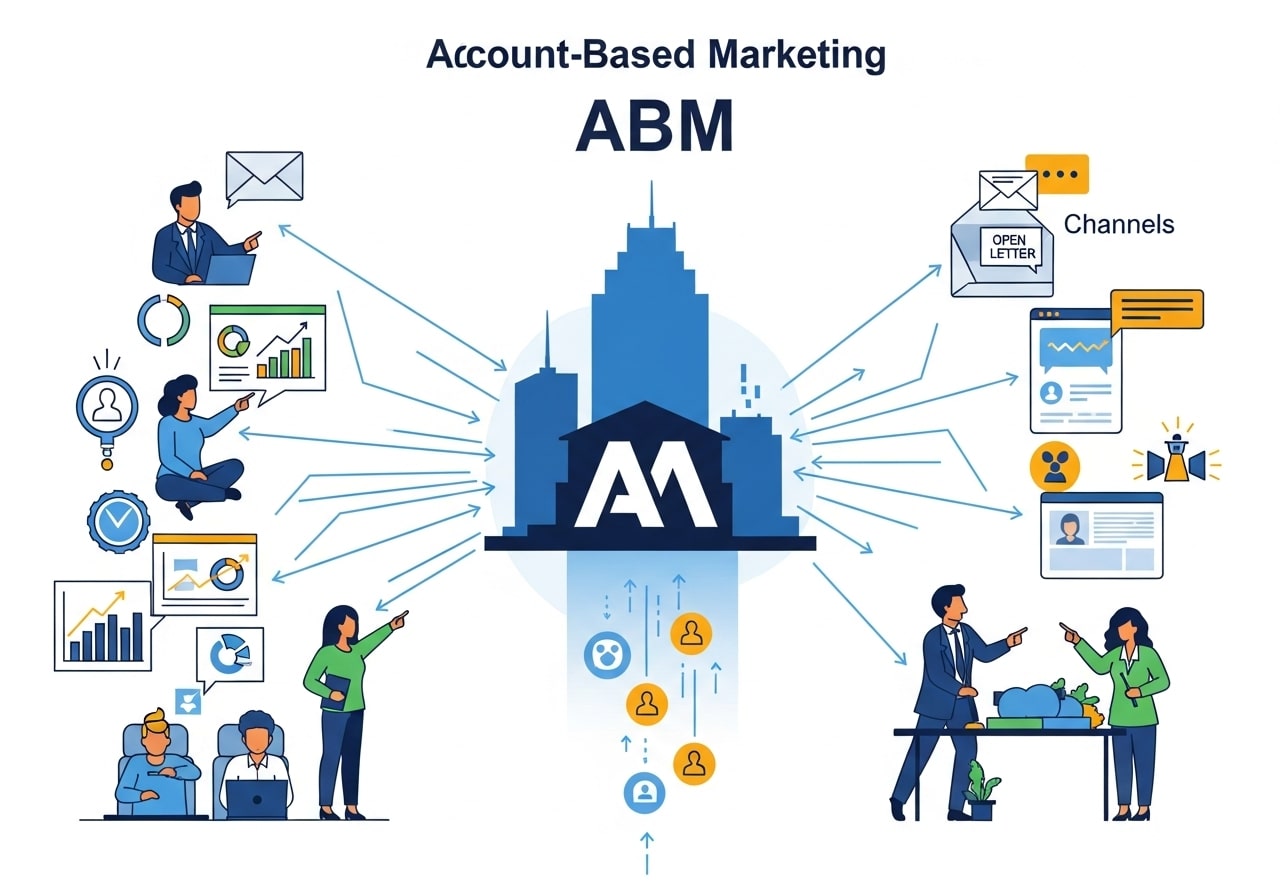
LinkedIn’s unique position as the world’s largest professional network creates several advantages for ABM practitioners. The platform’s business-focused environment means users are already in a professional mindset, making them more receptive to relevant business solutions.
The quality of data available on LinkedIn surpasses most other marketing channels. You can identify specific job titles, company sizes, industries, and even recent professional changes that might indicate buying intent. This granular targeting capability ensures your ABM efforts reach the right people at the right time.
LinkedIn’s algorithm also favors engagement and relationship building over purely promotional content. This aligns perfectly with ABM principles, which emphasize building authentic connections rather than pushing generic sales messages. The platform rewards valuable content and genuine interactions, making it easier to establish credibility with your target accounts.
Setting Up Your LinkedIn ABM Strategy
Identifying Your Target Accounts
The foundation of successful Account Based Marketing lies in careful account selection. Start by analyzing your existing customer base to identify patterns among your most valuable clients. Look for common characteristics such as company size, industry, technology stack, and growth stage.
Use your CRM data to calculate customer lifetime value and identify the types of accounts that generate the highest returns. Consider factors beyond just revenue—think about reference potential, strategic partnerships, and market influence when building your target account list.
LinkedIn Sales Navigator becomes invaluable during this research phase. The platform’s advanced search filters allow you to identify companies matching your ideal customer profile, while also revealing key decision-makers and influencers within those organizations.
Mapping Decision-Makers and Influencers
Modern B2B purchases involve multiple stakeholders, making it crucial to identify and engage the entire buying committee. Research suggests that the average B2B purchase involves 6-10 decision-makers, each with different priorities and concerns.
Use LinkedIn to map out the organizational structure of your target accounts. Identify champions who might advocate for your solution, technical evaluators who will assess functionality, and budget holders who control purchasing decisions. Don’t overlook influencers who might not have formal decision-making authority but carry significant weight in the evaluation process.
Create detailed personas for each stakeholder type, including their professional challenges, content preferences, and communication styles. This research will inform your content strategy and help you craft more relevant, personalized outreach messages.
LinkedIn ABM Tools and Features
Sales Navigator for Account Research
LinkedIn Sales Navigator serves as the backbone of most successful ABM campaigns on the platform. Its advanced search capabilities allow you to filter prospects by dozens of criteria, including company size, industry, job function, seniority level, and even recent activity.
The platform’s account insights feature provides valuable intelligence about your target companies, including recent news, employee changes, and growth indicators. Set up alerts for your target accounts to stay informed about key developments that might create sales opportunities.
Sales Navigator’s TeamLink feature leverages your colleagues’ networks to identify warm introduction opportunities. These referral pathways often prove more effective than cold outreach, as they build on existing trust relationships.
LinkedIn Campaign Manager for Targeted Advertising
LinkedIn’s advertising platform offers sophisticated targeting options that align perfectly with ABM objectives. Account targeting allows you to upload a list of specific companies and run ads exclusively to employees at those organizations.
Contact targeting takes this precision even further, enabling you to target specific individuals by uploading email lists or CRM data. This feature ensures your paid campaigns complement your organic outreach efforts by maintaining consistent messaging across all touchpoints.
The platform’s matched audiences feature helps you create lookalike audiences based on your existing customers or target account list. This expands your reach while maintaining the focused approach that makes ABM effective.
Content Strategy for LinkedIn ABM

Creating Account-Specific Content
Generic content has no place in Account Based Marketing. Your target accounts face unique challenges and operate in specific market conditions that require tailored messaging and solutions.
Develop content themes that address the specific pain points of each target account or account segment. This might include industry-specific case studies, regulatory compliance guides, or technology integration resources that directly relate to their business environment.
Consider creating personalized video messages for high-priority prospects. LinkedIn’s native video features make it easy to record and share brief, personalized content that demonstrates your understanding of their specific situation and challenges.
Leveraging LinkedIn’s Publishing Platform
LinkedIn’s publishing platform provides an excellent opportunity to demonstrate thought leadership while attracting the attention of your target accounts. Regular publishing helps establish credibility and keeps your brand visible in your prospects’ feeds.
Focus on creating educational content that provides genuine value rather than promotional material. Share insights about industry trends, best practices, and strategic frameworks that your target accounts can implement regardless of whether they purchase your solution.
Use LinkedIn’s analytics to track which content resonates most with your target audience. Pay attention to engagement from employees at your target accounts, as this indicates growing awareness and interest within those organizations.
Engagement Tactics That Work
Personalized Connection Requests
The connection request represents your first opportunity to make a positive impression with prospects at your target accounts. Generic connection requests get ignored or rejected, while personalized messages that demonstrate genuine interest and research often lead to meaningful conversations.
Reference recent company news, shared connections, or relevant content they’ve published when crafting connection requests. Keep messages brief but specific, showing that you’ve invested time in understanding their situation rather than sending mass outreach.
Avoid making sales pitches in initial connection requests. Focus on building rapport and establishing common ground that can serve as the foundation for future business conversations.
Strategic InMail Campaigns
LinkedIn InMail allows you to message prospects who aren’t yet in your network, making it a powerful tool for Account Based Marketing outreach. However, InMail credits are limited and expensive, making message quality crucial for success.
Research shows that personalized InMail messages achieve response rates up to three times higher than generic templates. Reference specific details about their company, role, or recent achievements to demonstrate that your message isn’t part of a mass campaign.
Time your InMail messages strategically based on your prospect’s activity patterns and recent engagement with your content. LinkedIn’s read receipts help you track message performance and optimize your approach for future campaigns.
Measuring Success in LinkedIn ABM
Key Performance Indicators
Account Based Marketing requires different metrics than traditional lead generation campaigns. Focus on account-level engagement rather than individual lead metrics to get an accurate picture of campaign performance.
Track metrics such as account penetration (percentage of target accounts showing engagement), engagement depth (number of touchpoints per account), and progression through your defined ABM funnel stages. These indicators provide better insight into relationship building progress than traditional click-through rates or cost-per-lead metrics.
Monitor social selling index scores for team members involved in ABM outreach. LinkedIn’s social selling index measures profile optimization, network building, content engagement, and relationship development—all crucial components of successful ABM execution.
Attribution and ROI Analysis
Measuring ROI for LinkedIn ABM requires a long-term perspective, as enterprise sales cycles often extend 12-18 months or longer. Implement multi-touch attribution models that capture the full customer journey rather than focusing solely on last-click attribution.
Track engagement across all LinkedIn touchpoints, including organic content interaction, paid ad engagement, connection acceptance rates, and InMail responses. This comprehensive view helps you understand which tactics drive the most meaningful engagement with your target accounts.
Use LinkedIn’s conversion tracking to measure specific actions taken by prospects from your target accounts. Set up tracking for key milestones such as content downloads, webinar registrations, and demo requests to build a complete picture of campaign influence.
Common Mistakes to Avoid
Many organizations struggle with LinkedIn ABM because they approach it like traditional lead generation. Avoid the temptation to measure success based on volume metrics like total leads generated or cost-per-click. ABM success comes from deepening relationships with specific high-value accounts, not casting the widest possible net.
Another common mistake involves inconsistent messaging across team members and touchpoints. Ensure your sales and marketing teams align on account priorities, messaging themes, and engagement strategies. Mixed messages from different team members can confuse prospects and undermine credibility.
Don’t neglect the long-term relationship building that makes ABM effective. Many teams start strong with research and personalization but fail to maintain consistent engagement over time. Enterprise sales cycles require persistent, value-driven communication throughout extended evaluation periods.
Advanced LinkedIn ABM Techniques
Multi-Threading Strategies
Successful Account Based Marketing involves building relationships with multiple stakeholders within each target account simultaneously. This multi-threading approach reduces risk and increases your chances of advancing opportunities even when individual champions leave or change roles.
Develop connection strategies for different stakeholder types within your target accounts. Technical evaluators might respond well to detailed implementation guides, while executive decision-makers prefer strategic business case content and ROI analysis.
Use LinkedIn’s organizational charts and employee directory features to map reporting relationships within your target accounts. Understanding internal dynamics helps you navigate complex decision-making processes more effectively.
Intent Data Integration
Combine LinkedIn engagement data with third-party intent signals to identify accounts showing early buying signals. Tools that track content consumption, competitor research, and solution-related searches can help you prioritize outreach efforts and timing.
Create trigger-based campaigns that activate when target accounts show specific intent signals. For example, increased engagement with competitor content or downloads of industry research reports might indicate active evaluation processes.
Building Your LinkedIn ABM Success Framework
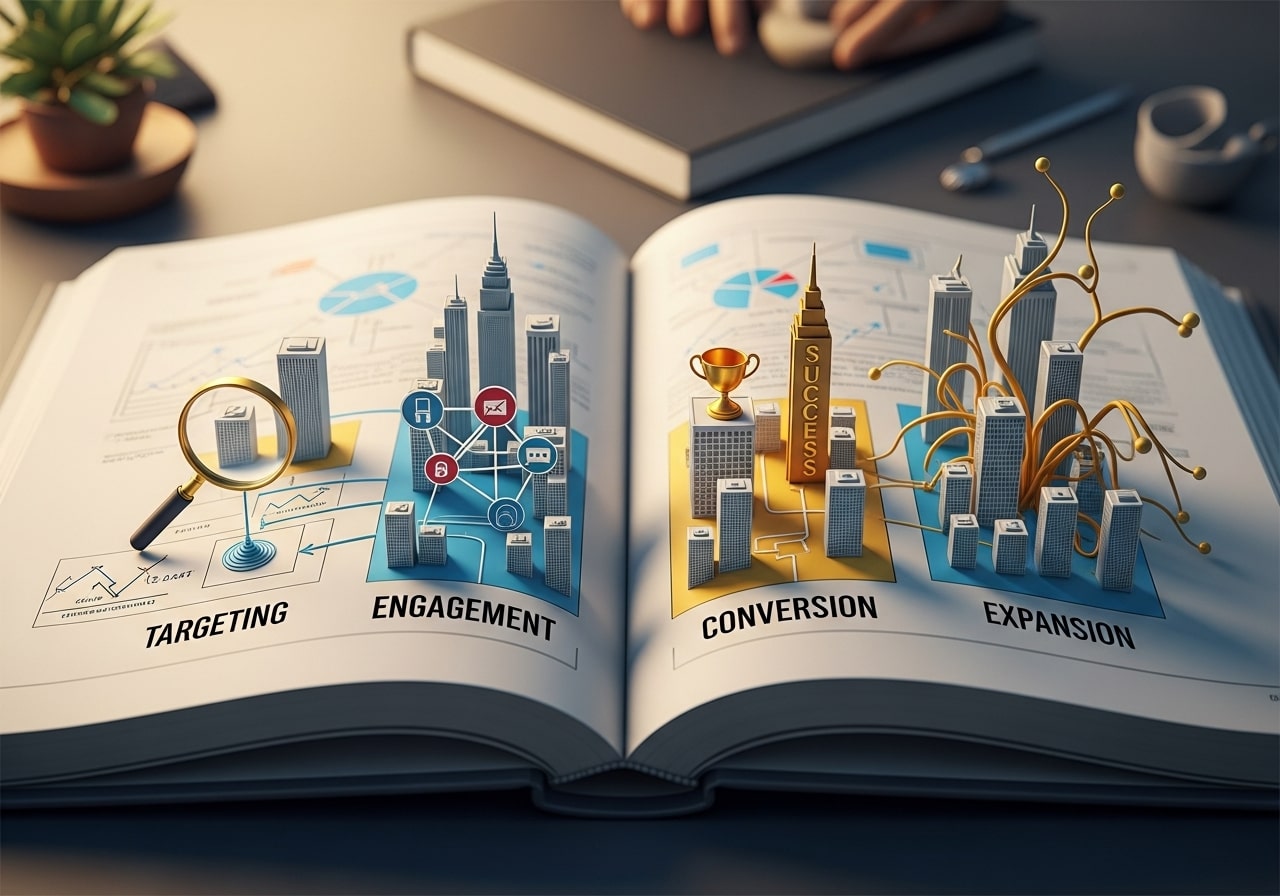
Account Based Marketing on LinkedIn requires patience, precision, and persistence. Success comes from consistently delivering value to carefully selected target accounts rather than pursuing quick wins or high-volume lead generation.
Start with a small pilot program focusing on your highest-priority accounts. This allows you to refine your approach, test messaging themes, and build internal capabilities before scaling to larger account lists. Most successful ABM programs begin with 20-50 target accounts and expand based on proven results.
Remember that LinkedIn ABM is fundamentally about relationship building in a digital environment. The most successful practitioners combine strategic targeting with authentic human connection, using technology to enhance rather than replace genuine professional relationships.
Invest time in training your team on LinkedIn best practices and ABM methodologies. The platform’s features and algorithms continue evolving, making ongoing education crucial for maintaining a competitive advantage in your target markets.
Frequently Asked Questions (FAQ)
1. What types of companies benefit most from LinkedIn ABM?
LinkedIn ABM is most effective for B2B organizations that sell high-value products or services with longer sales cycles. Companies in SaaS, enterprise technology, professional services, and consulting often see strong results because their buying decisions involve multiple stakeholders and significant investment.
2. How many target accounts should I include in a LinkedIn ABM campaign?
Most organizations achieve the best results by starting with a focused list of 20 to 50 target accounts. This size allows for meaningful personalization and consistent engagement without overwhelming internal teams. As processes become more refined, the account list can be expanded.
3. Do I need LinkedIn Sales Navigator for ABM?
LinkedIn Sales Navigator is not mandatory, but it greatly enhances the effectiveness of ABM efforts. Its advanced search filters, account insights, organizational visibility, and alert features make it easier to identify decision-makers and engage target accounts at the right time.
4. How long does it take to see results from LinkedIn ABM?
LinkedIn ABM is a long-term strategy rather than a quick-win channel. Initial engagement signals such as profile views, content interaction, and connection acceptance may appear within a few weeks, but meaningful pipeline impact usually takes several months. Revenue outcomes often follow longer enterprise buying cycles.
5. What content performs best for LinkedIn ABM campaigns?
Educational, insight-driven content tends to perform best in ABM campaigns. Content that addresses industry challenges, shares strategic perspectives, or demonstrates real-world outcomes resonates more strongly than product-focused messaging and helps build trust over time.
6. Should sales or marketing own LinkedIn ABM?
Successful LinkedIn ABM requires close collaboration between sales and marketing teams. Marketing typically leads strategy, content creation, and paid campaigns, while sales focuses on direct relationship building and opportunity progression. Alignment on accounts, messaging, and goals is essential.
7. Is paid advertising required for LinkedIn ABM?
Paid advertising is not strictly required, but it significantly strengthens ABM efforts. Targeted ads help reinforce messaging, increase visibility across multiple stakeholders, and maintain consistent brand presence throughout long buying cycles.
8. How do I personalize at scale without overwhelming my team?
Personalization at scale is best achieved through account and role-based segmentation rather than full one-to-one customization for every interaction. High-value accounts can receive deeper personalization, while grouped messaging can be used for similar industries or stakeholder roles.
9. What are common reasons LinkedIn ABM campaigns fail?
LinkedIn ABM campaigns often fail due to poor account selection, inconsistent messaging between teams, overly aggressive sales outreach, and unrealistic expectations around timelines. Measuring success with lead-based metrics instead of account engagement is another frequent issue.
10. Can LinkedIn ABM work for small or mid-sized businesses?
LinkedIn ABM can be highly effective for small and mid-sized businesses, particularly when targeting a narrow set of high-value prospects. Smaller teams often benefit from greater agility and stronger personalization, which are critical factors in successful ABM execution.


Live Webinars for ABM: Strategies to Engage High-Value Accounts


Balancing Personalization and Privacy in Modern ABM

Virtual Events and Webinars: Powerful Strategies for ABM Success