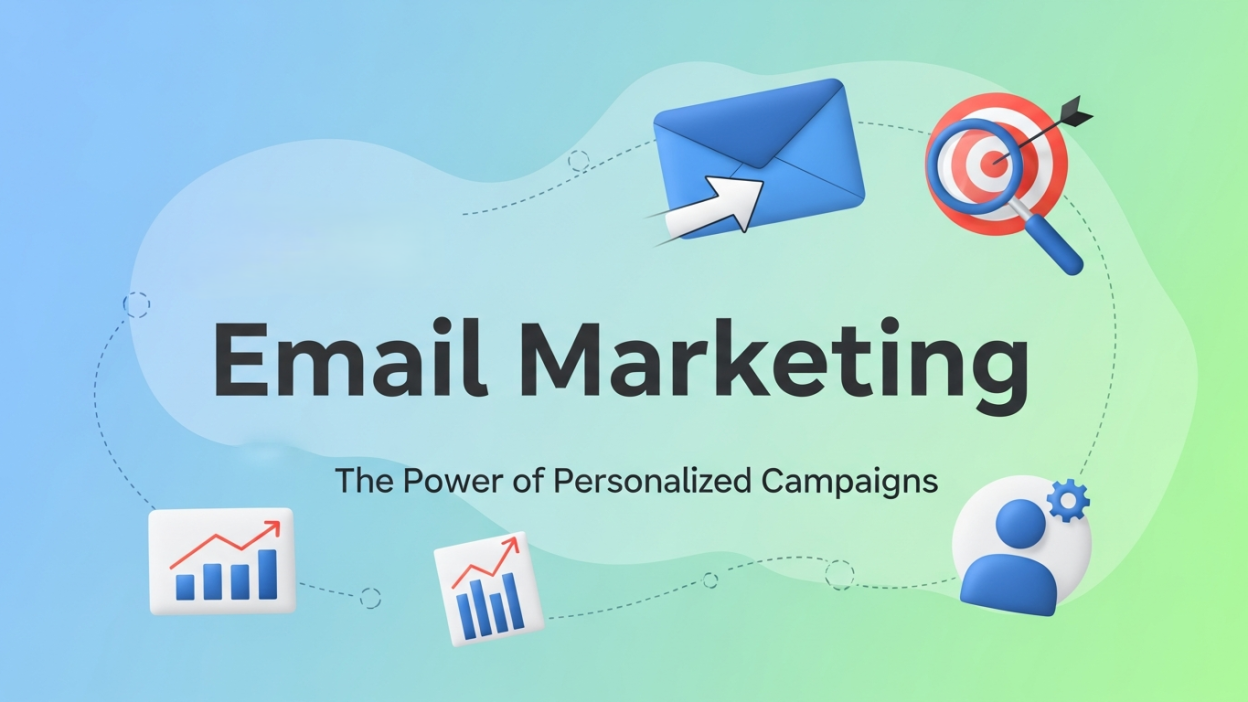
When it comes to Account-Based Marketing (ABM), nurturing relationships is at the heart of everything. And what better way to strengthen those connections than through email? Email marketing has proven to be an indispensable tool for ABM strategies, providing a direct channel to engage target accounts. But here’s the catch—not all email tactics work equally well. To stand out in crowded inboxes, you need a smarter approach.
Why Email Is Central to ABM
Emails offer unparalleled flexibility and reach in ABM strategies. Unlike traditional one-size-fits-all campaigns, email enables marketers to send tailored messages to specific accounts or individuals. This precision ensures your message truly resonates, which is essential when you’re targeting high-value accounts.
But it’s not enough to simply send emails. To make an impact, your tactics must focus on three key pillars: personalization, segmentation, and alignment with sales teams.
Let’s break down the tactics to achieve just that.
1. Hyper-Personalization for Maximum Impact
Gone are the days when generic “Hi [First Name]” emails sufficed. ABM email marketing requires going deeper into personalization by addressing the unique needs, challenges, and interests of specific accounts.
Tactic 1.1 – Reference Pain Points and Objectives
Dive into what keeps your target accounts up at night. For example, if you’re targeting a SaaS company’s CTO, highlight solutions to scalability concerns in your messaging. Research recent company updates, product launches, or industry trends, and use those insights to position your offer as the solution.
For instance:
Subject Line Example: “How [Insert Competitor] Solved Their Scaling Woes”
Tactic 1.2 – Showcase Individualized Case Studies
Create emails with case studies tailored to each account. These should focus on problems similar companies faced and overcame using your product or service. Incorporating customer success stories humanizes your outreach and builds credibility.
Pro Tip: Visual elements can amplify your emails. Include graphs, infographics, or short video clips to keep the emails engaging.
2. Clever Segmentation Strategies
Segmentation is the backbone of ABM because it ensures the right message reaches the right person. Instead of blasting uniform messages to your list, categorize your accounts and prospects thoughtfully.
Tactic 2.1 – Use Tiered Targeting
Segment your accounts into tiers based on priority or revenue potential. Your top-tier accounts might receive highly tailored, white-glove treatment, while lower-priority tiers could follow semi-personalized drip sequences.
Tactic 2.2 – Map Emails to Buyer Journeys
Not every contact within an account is at the same stage of the buying process. Some are researching solutions, while others are moments away from a purchase decision. Map your email campaigns to address each step in the buyer’s journey to remain relevant.
Example Structure:
- Awareness Stage: Educational content like ebooks or blog posts.
- Consideration Stage: Product explainer videos that address specific challenges.
- Decision Stage: Limited-time offers or personal outreach from sales reps.
3. Foster Sales and Marketing Collaboration
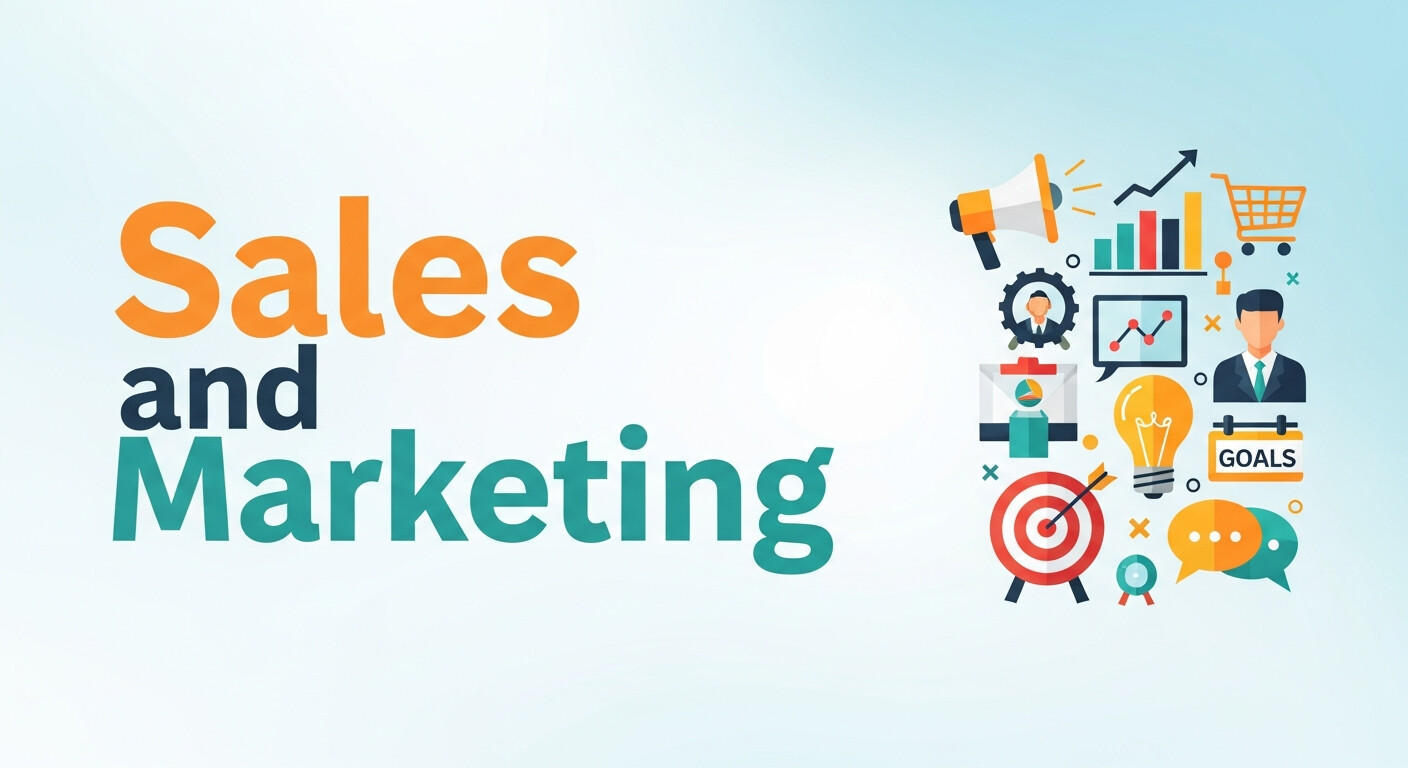
ABM thrives on teamwork. To create seamless email campaigns, sales and marketing teams need to align their messaging, goals, and strategies.
Tactic 3.1 – Build Joint Account Plans
Work with your sales team to develop a shared account strategy. Identify key decision-makers, understand their roles, and craft cohesive messaging to cover all touchpoints.
For example, marketing can start by warming up the account via educational emails, while sales teams can follow up with more direct outreach once engagement spikes.
Tactic 3.2 – Feedback Loops
Regular feedback between marketing and sales is essential. Set analytics benchmarks like open rates, click-through rates, and reply rates, and adjust your tactics based on what works best. A/B testing subject lines, email sequences, and calls-to-action can help you iterate quickly.
Bonus Tips to Elevate ABM Emails
- Leverage Dynamic Content: Use tools that allow for variable content blocks within a single email. This provides customization at scale.
- Include Clear CTAs: Avoid generic CTAs like “Learn More.” Instead, try action-oriented copy like “View Your Personalized Plan.”
- Don’t Overload on Metrics: A single email shouldn’t have three different KPIs. Be clear about your goal, whether it’s scheduling a demo or driving downloads.
Behavioral Triggers in ABM Email Marketing
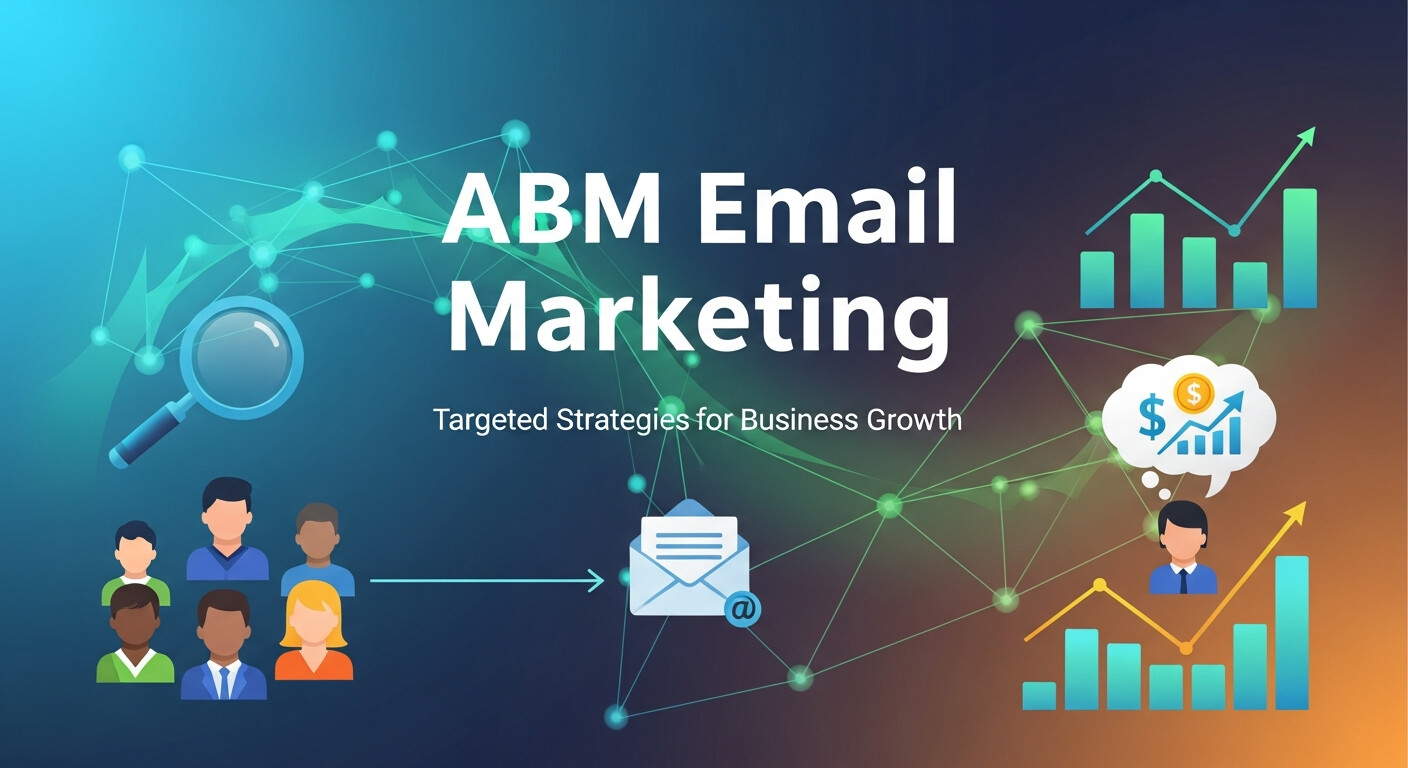
Behavior-based messaging adds precision to ABM Email Marketing by responding to real-time actions taken by target accounts. When a prospect visits a pricing page, downloads gated content, or reopens an earlier email, those signals can trigger timely, relevant follow-ups. This approach ensures emails arrive when interest is highest, increasing engagement and conversion potential. Behavioral triggers also prevent over-emailing by focusing only on accounts showing intent. By aligning messaging with observed actions, ABM Email Marketing becomes more contextual, helpful, and aligned with how modern buyers expect to be engaged.
Role-Based Messaging Within Target Accounts
ABM Email Marketing becomes significantly more effective when messaging is customized by job role. A CFO, CTO, and Marketing Director within the same account care about different outcomes, even if they are evaluating the same solution. Role-based messaging allows you to address specific priorities, objections, and success metrics for each stakeholder. This level of relevance helps emails feel purposeful rather than promotional. By tailoring language, value propositions, and CTAs to each role, ABM Email Marketing supports internal consensus-building within accounts and accelerates decision-making.
Using Data Enrichment to Power ABM Email Marketing
Accurate data is the foundation of successful ABM Email Marketing. Data enrichment tools help fill gaps in firmographic, technographic, and intent data, enabling deeper personalization. When marketers understand company size, tech stack, growth stage, and competitive landscape, emails become more precise and credible. Enriched data also improves segmentation and targeting accuracy, reducing wasted outreach. With cleaner and more complete data, ABM Email Marketing campaigns can better reflect real business needs, making outreach feel informed rather than generic or intrusive.
Multi-Threaded Email Strategies for ABM Success
Relying on a single contact limits the effectiveness of ABM Email Marketing. Multi-threaded strategies engage multiple stakeholders within the same account using coordinated messaging. Each email supports a broader narrative while addressing individual concerns. This approach increases visibility across departments and reduces dependency on one champion. When multiple stakeholders receive aligned yet personalized emails, internal conversations are more likely to happen. Multi-threaded ABM Email Marketing strengthens account penetration and ensures your value proposition resonates across the buying committee.
Aligning ABM Email Marketing With Content Strategy
Content and ABM Email Marketing should work as a single system, not separate initiatives. Emails act as distribution channels for highly targeted content such as industry reports, personalized landing pages, and account-specific case studies. When content is mapped to account needs and buyer stages, email engagement improves significantly. Strong alignment ensures that every email delivers value, not just promotion. By using content strategically, ABM Email Marketing nurtures trust, positions your brand as a thought leader, and supports long-term account relationships.
Timing and Cadence Optimization in ABM Email Marketing
Sending the right message at the wrong time can undermine even the best ABM Email Marketing strategy. Timing and cadence must be carefully planned to match buying cycles and account engagement levels. High-value accounts often require longer consideration periods, making patience essential. Spacing emails thoughtfully prevents fatigue while maintaining momentum. Monitoring engagement trends helps determine when to accelerate or pause outreach. Optimized timing ensures ABM Email Marketing feels respectful, relevant, and aligned with how decision-makers prefer to engage.
Personal Landing Pages to Support ABM Email Marketing
Personalized landing pages significantly enhance ABM Email Marketing performance by extending relevance beyond the inbox. When recipients click through an email and land on a page built specifically for their company or industry, trust increases instantly. These pages can feature tailored messaging, logos, case studies, and CTAs aligned with account goals. Consistency between email and landing page experience reinforces credibility. By pairing emails with personalized destinations, ABM Email Marketing creates a seamless and immersive journey for target accounts.
Leveraging AI for Smarter ABM Email Marketing
AI plays a growing role in scaling ABM Email Marketing without sacrificing personalization. Machine learning can analyze engagement patterns, recommend optimal send times, and suggest content variations for different accounts. AI-driven insights help marketers predict which accounts are most likely to convert and what messaging will resonate. This allows teams to focus resources where impact is highest. When used responsibly, AI enhances ABM Email Marketing by improving efficiency, relevance, and strategic decision-making across campaigns.
Measuring Revenue Impact of ABM Email Marketing
The true value of ABM Email Marketing lies in its contribution to revenue, not just engagement metrics. Tracking pipeline influence, deal velocity, and account progression provides a clearer picture of success. Attribution models help connect email interactions to closed deals and expansion opportunities. By focusing on revenue outcomes, teams can justify investment and refine strategy. Measuring what matters ensures ABM Email Marketing remains aligned with business goals and continues to deliver long-term growth.
Continuous Optimization in ABM Email Marketing Programs
ABM Email Marketing is not a one-time effort but an evolving strategy. Continuous testing and optimization are essential to maintain performance. Subject lines, messaging angles, CTAs, and personalization elements should be reviewed regularly. Insights from sales feedback and account engagement help refine future campaigns. Small improvements over time can lead to significant gains. A culture of experimentation ensures ABM Email Marketing stays relevant, competitive, and aligned with changing buyer expectations.
Wrapping It Up
Effective ABM email marketing isn’t about sending more emails; it’s about delivering the right message to the right people at the right time. By focusing on hyper-personalization, thoughtful segmentation, and strong collaboration between sales and marketing teams, you can create powerful campaigns that resonate with your target accounts.
Now it’s your turn! Start applying these tactics to your ABM efforts, and watch your engagement metrics soar. Remember, impactful email campaigns aren’t just about conversions; they’re about building trust and meaningful relationships with your most valuable accounts.
Next Steps:
- Audit your current email sequences for personalization opportunities.
- Schedule a meeting with your sales team to align on account strategies.
- A/B test subject lines and messaging frameworks this week.
What ABM email tactic has worked best for you? Share your success stories in the comments below!
Read more about this topic: How to Align ABM and Marketing Automation for Maximum ROI
Frequently Asked Questions (FAQ)
What makes ABM email marketing different from traditional email marketing?
ABM email marketing is focused on engaging specific high-value accounts rather than a broad audience. Instead of sending generic campaigns to large lists, ABM emails are tailored to individual accounts, aligned with sales efforts, and designed to support long-term relationship building and revenue growth.
How personalized should ABM emails be?
ABM emails should go far beyond using a first name. Strong personalization reflects the recipient’s role, the company’s priorities, current challenges, and relevant industry context. When done well, the email feels intentionally written for that account, even when personalization is powered by automation.
How many contacts within an account should be included in ABM email campaigns?
ABM works best when multiple stakeholders within an account are engaged. This often includes decision-makers, influencers, and end users. Each contact should receive messaging tailored to their role and stage in the buying journey to ensure relevance and avoid message fatigue.
How do sales and marketing teams collaborate on ABM emails?
Sales and marketing collaboration typically involves shared account targeting, aligned messaging, and agreed-upon engagement signals. Marketing may lead with educational and awareness emails, while sales follows up when engagement increases. Ongoing feedback helps refine messaging and timing.
What metrics matter most for ABM email marketing?
The most important metrics are account-level engagement indicators such as opens and clicks from target accounts, replies, meeting bookings, and pipeline influence. Rather than tracking multiple KPIs per email, each message should have a clear goal tied to movement within the account.
Can ABM email marketing be automated effectively?
Yes, ABM email marketing can be automated when done strategically. Automation works best when combined with dynamic content, tier-based personalization, and behavior-triggered messaging. The key is maintaining relevance and a human feel, even at scale.
How often should ABM emails be sent to target accounts?
There is no universal cadence, but quality always outweighs quantity. ABM emails should be sent thoughtfully and coordinated with sales outreach and other channels. Sending fewer, highly relevant emails helps maintain trust and engagement, especially with senior stakeholders.