
How to Run an Effective Inbound Marketing Campaign
 12 min read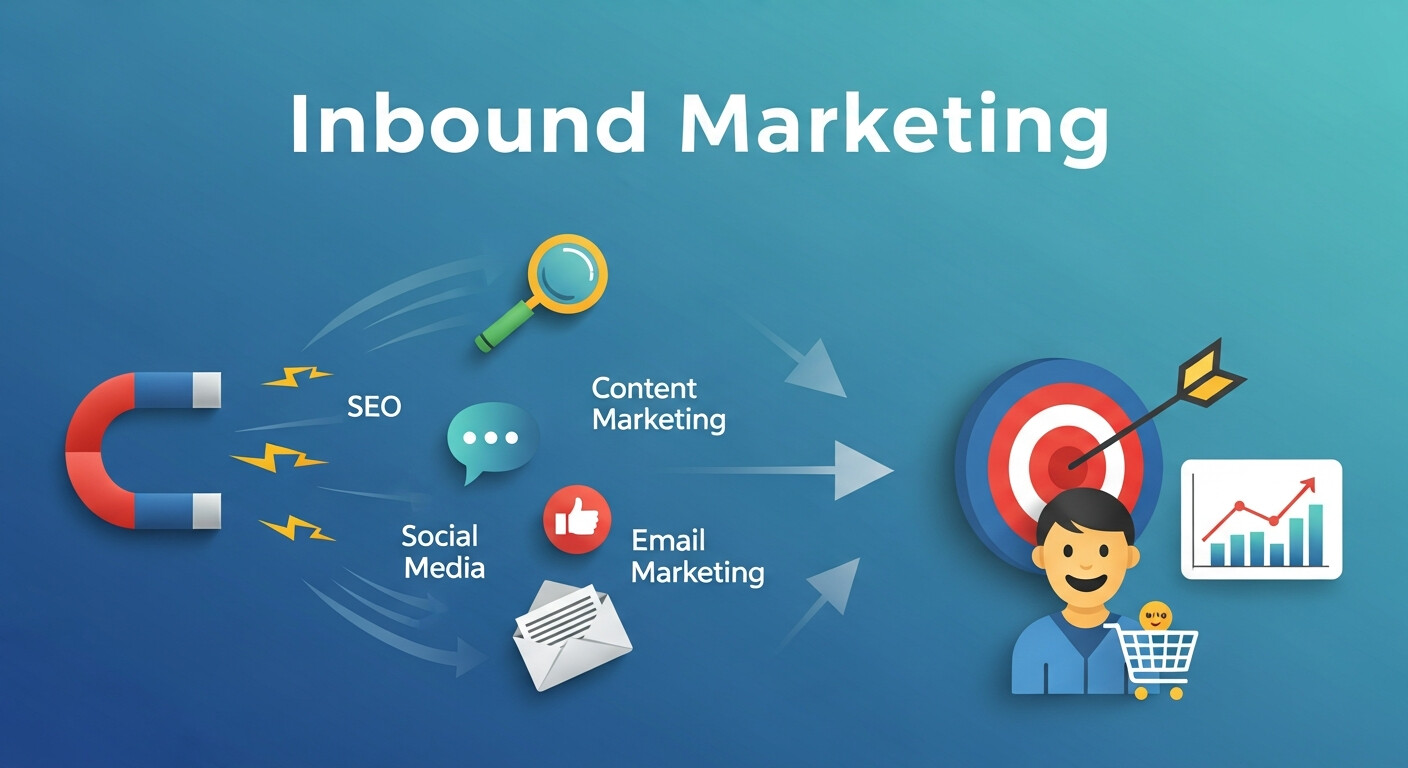
Inbound marketing is considered to be one of the most effective strategies to attract, engage, and delight customers and prospects online because it isn’t just sustainable — it’s actually accessible, too. But easy it may look, an inbound marketing campaign is easier said than done, as it relies on a combination of tactics, and the process itself can be a little tricky.
In this blog, I will walk you through all the essential steps you need to take to plan, introduce, and optimize an inbound marketing campaign that produces results. You’ll learn what makes inbound so transformative, hear from inbound leaders, face some of the problems we encounter with inbound, get tips for your inbound strategy, and find out why inbound is the best way to grow your business.
What is an Inbound Marketing Program?
Before we jump into the nitty-gritty of it, however, it’s crucial to understand what inbound marketing is. While outbound marketing’s goal is to push messages to a broad audience, inbound marketing attracts customers by providing them with valuable, relevant content and experiences.
At its heart, an inbound marketing campaign leverages strategies like content marketing, SEO, social media, and email marketing to draw people to your brand, convert those people into leads, and nurture them into devoted customers.
Advantages of Running an Inbound Marketing Campaign
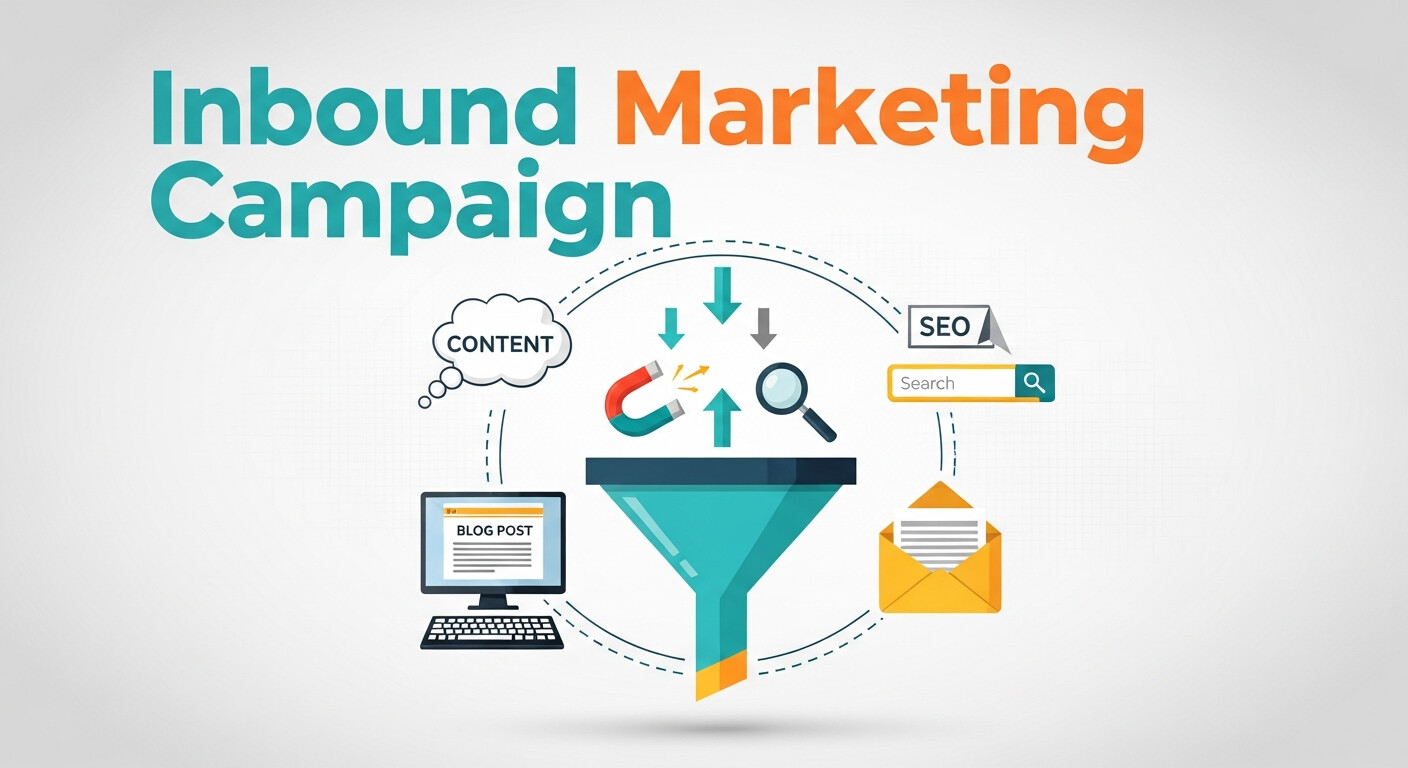
So why does your business need an inbound marketing plan? Here are a few reading-related reasons:
- Economical: It is 62% cheaper than other marketing.
- Long-Term ROI: Content from inbound campaigns continues to drive traffic and leads in the long haul.
- Increased Customer Loyalty: Offers value and establishes rapport with your target market, turning them into loyal customers.
- Easily Measurable: Digital means data so you can measure your success and adjust your strategy.
Define Your Campaign Goals
Inbound Marketing — Assuming you know what you want is just plain dumb. As we know, the first step in any marketing is to get SMART. Your goals should always adhere to the SMARTEST principle.
For instance, are you aiming to drive 30% more traffic to your site this quarter? Or do you want to create 500 qualified leads using gated content in 6 months? Clear, measurable goals will also give you a metric to evaluate whether a campaign is successful and keep you on track.
Pro Tip: Connect your inbound campaign goals to business objectives so that they’re not so easy to dismiss. Such attention to detail ensures that marketing efforts are aligned with company goals.
Know Your Target Audience
Inbound marketing is all about knowing your audience inside and out. You’ll want to create your buyer personas so that you can direct your campaign toward the right people.
How to Create Buyer Personas
- Demographics: Who are they in terms of age, sex, and occupation of geographical location?
- Objectives and challenges: What are the problems they have, and within which context are they doing this work?
- Behavioural Science: Do they have a social media presence? Do they read blogs or watch videos?
- Decision to Buy: What’s their buying decision, and how are their decisions influenced?
Leverage tools, including surveys, interviews, and customer data, to develop buyer personas that can help lead your marketing team throughout the campaign.
Start with Keyword and Topic Research
For any incoming campaign, it’s the content, stupid. But crafting great content begins with thorough research of keywords and topics that your audience is actively searching.
Steps for Effective Research
-
Leverage SEO Tools such as Google Keyword Planner or SEMrush to find high-traffic, low-competition keywords related to your niche.
-
Analyze Your Competitors to find out what’s working for them and where it would be a good idea to create better content.
-
Be trend-aware. Use Google Trends, social media hashtags, etc, to keep track of what’s relevant to your audience.
Example:
If you’re running an inbound campaign for a fitness brand, focusing on long-tail keywords [like “best workouts for beginners at home”] might better allow you to capture the right people who are looking for fitness advice.
Develop a Content Strategy
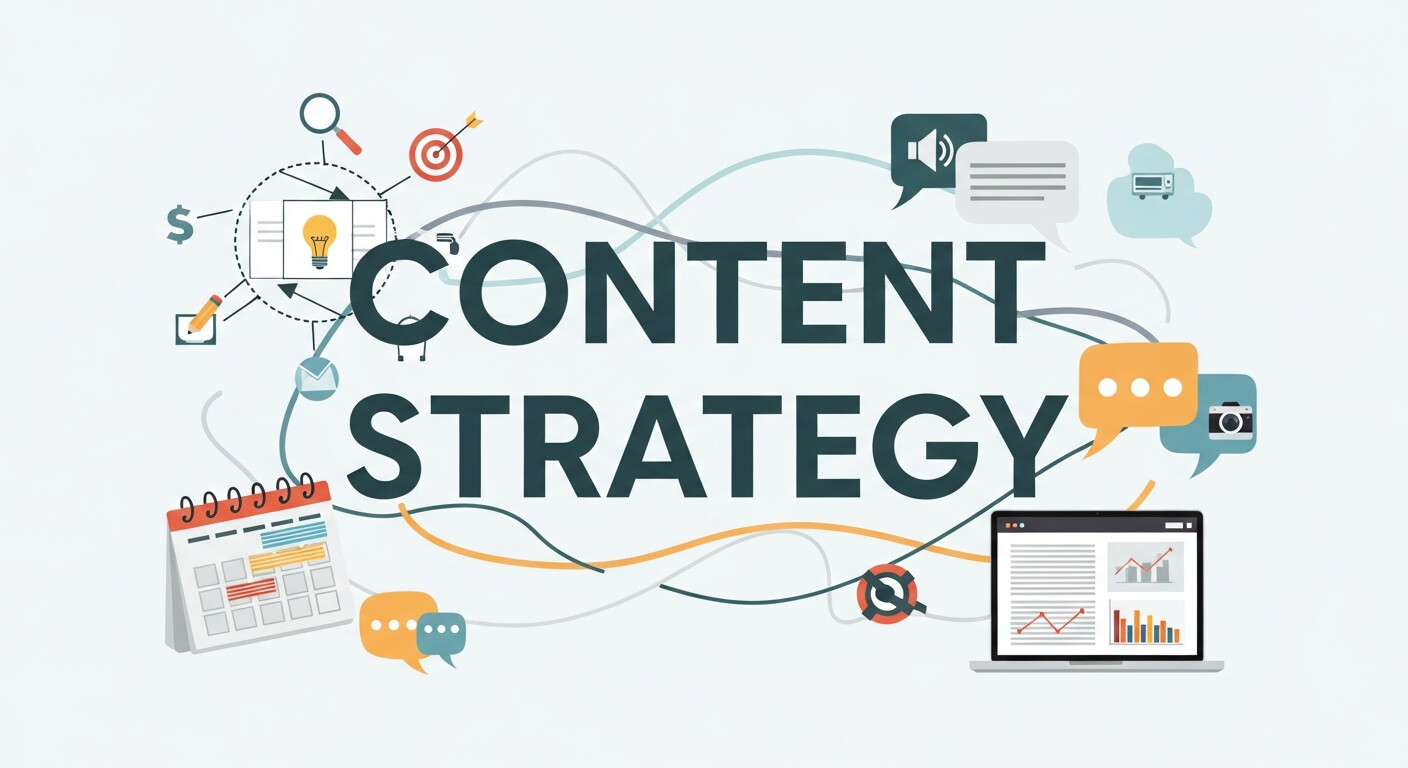
Now that you know what your audience wants and what topics are pertinent, you need to create an effective content strategy.
Types of Content
-
Blogs: Educational or pain-solving content directed at your audience.
-
Videos: Easy-to-digest and share videos featuring tutorials, people telling their stories or behind-the-scenes exposure.
-
Infographics: Use for sharing stats and step-by-step guides in visual form.
-
Ebooks or Whitepapers (Gated Content): Lead magnets to get an email address.
Content Distribution
You have amazing content – now make sure it’s being distributed for impact. Use Find an Agent to Share Resources in Multiple Avenues. Share across blogs, email newsletters, social platforms, and guest blogs etc, to maximize reach.
Pro Tip: The best forms of content are the ones that you can reuse in another form. For example, a popular blog post can be repurposed as a video or infographic.
Building a Sustainable Inbound Framework
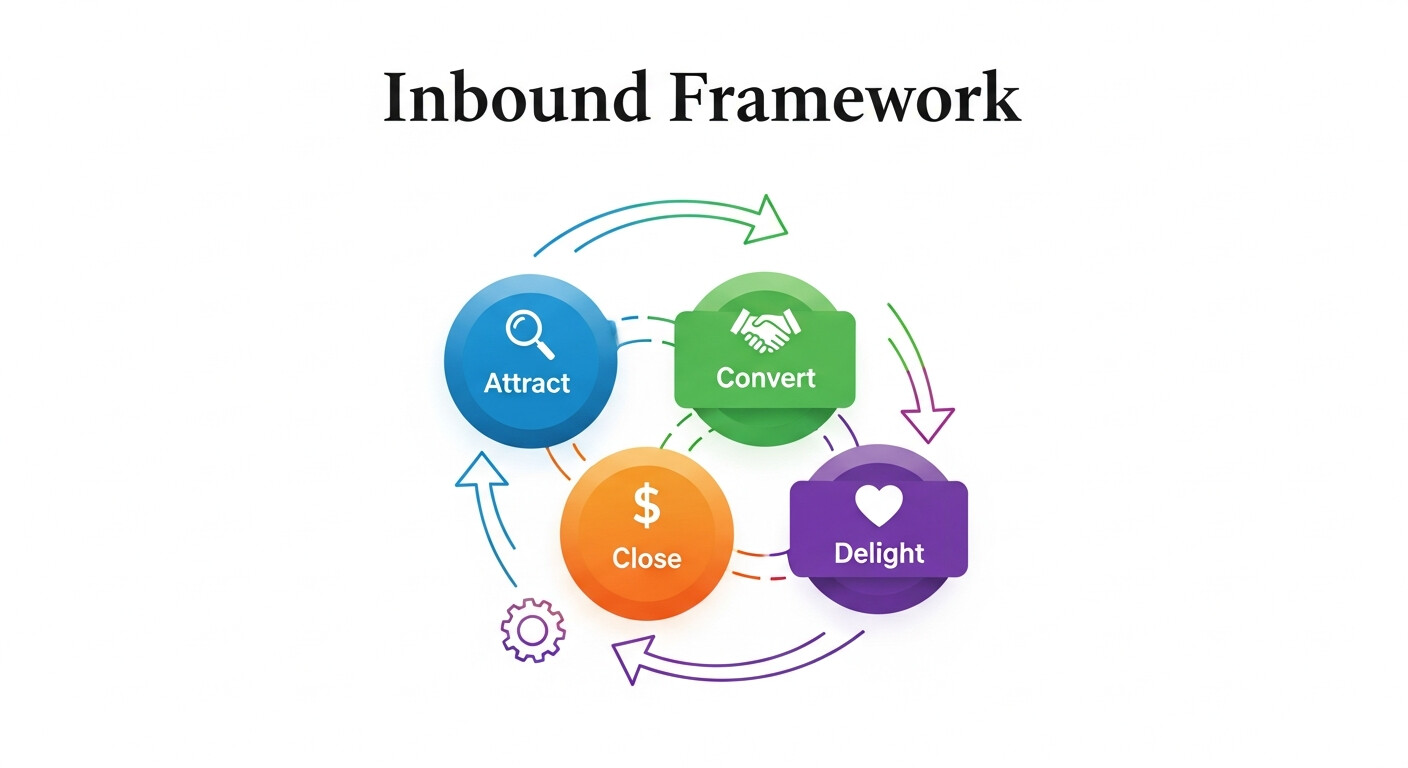
A successful inbound strategy is not built overnight; it requires structure, patience, and consistency. Many businesses struggle because they treat inbound as a short-term campaign rather than a long-term growth system. True Inbound Marketing Mastery comes from aligning content, SEO, and lead nurturing into one cohesive framework. This approach ensures that every blog, email, and social post serves a specific purpose within the buyer’s journey. When inbound efforts are sustainable, they continue generating leads even when ad spend is reduced. Over time, this framework compounds results, builds authority, and positions your brand as a trusted resource rather than just another business trying to sell.
Adapting Inbound Strategies for Purpose-Driven Organizations
Inbound marketing is not limited to profit-driven companies; it is equally powerful for mission-focused organizations. In fact, Non-Profit Inbound Marketing allows charities and social enterprises to connect emotionally with supporters while maximizing limited budgets. By sharing impactful stories, educational resources, and transparent progress updates, non-profits can attract donors, volunteers, and advocates organically. Content such as blog posts, videos, and email campaigns helps build trust and long-term relationships instead of relying solely on one-time fundraising efforts. When done right, inbound marketing empowers non-profits to amplify their message, grow their community, and create measurable impact without heavy reliance on paid promotions.
Enhancing Engagement Through Interactive Experiences
Modern audiences expect more than static content—they want interaction. Incorporating Gamification in Inbound Marketing is an effective way to boost engagement and encourage participation. Elements like quizzes, challenges, progress trackers, and reward-based CTAs make content more enjoyable while guiding users through the funnel. Gamified experiences increase time on site, improve conversion rates, and make learning about your brand memorable. When users feel involved rather than marketed to, they are more likely to return and share content. Interactive strategies also provide valuable behavioral data, helping marketers refine campaigns and personalize future content more effectively.
Aligning Content With the Buyer’s Emotional Journey
Inbound marketing is not only about answering questions—it’s about understanding emotions. Successful campaigns address fears, motivations, and aspirations at every stage of the buyer’s journey. Achieving Inbound Marketing Mastery means crafting content that resonates emotionally while still delivering value. Awareness-stage content should educate without pressure, while consideration-stage assets should build confidence and trust. Decision-stage content must reinforce credibility and reduce hesitation. When emotional alignment is done well, audiences feel understood rather than sold to. This human-centered approach strengthens brand loyalty and increases the likelihood of turning leads into long-term customers.
Using Data to Improve Campaign Performance Over Time
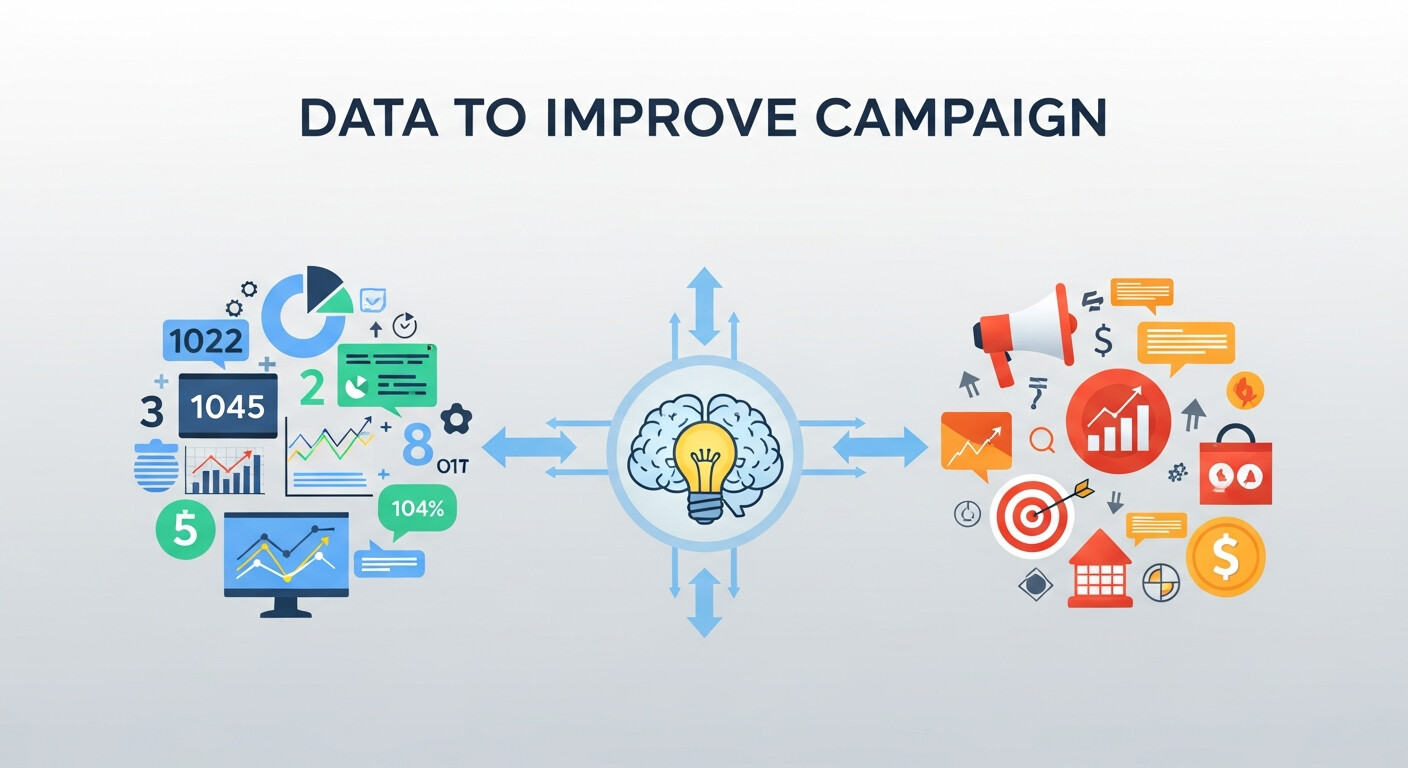
Inbound marketing thrives on continuous optimization. Data-driven decisions help marketers understand what content works, what doesn’t, and why. This is especially important for organizations with limited resources, such as those leveraging Non-Profit Inbound Marketing, where efficiency matters most. Tracking metrics like engagement rates, content performance, and lead quality reveals valuable insights. These insights allow teams to refine messaging, improve targeting, and eliminate ineffective tactics. Over time, small data-backed improvements compound into significant growth. Instead of guessing, marketers can confidently adjust strategies based on real user behavior and measurable outcomes.
Creating Memorable Brand Experiences That Convert
Standing out in a crowded digital space requires creativity and relevance. Brands that focus on experience—not just content—tend to perform better long-term. By blending storytelling, personalization, and Gamification in Inbound Marketing, businesses can create memorable journeys that drive action. Interactive content encourages participation, while personalized messaging makes users feel valued. These experiences transform passive visitors into active leads and loyal advocates. When audiences associate your brand with value and enjoyment, conversion becomes a natural next step rather than a forced action. This experience-driven mindset is what separates average inbound efforts from truly high-performing campaigns.
Advanced Account-Based Retargeting Strategies for High-Value B2B Growth
Create Lead Magnets and CTAs
Your content should guide your audience through the funnel, from awareness to action. Here is where call-to-actions (CTAs) and lead magnets enter the scene.
Create Effective CTAs
These might be:
- “Get Your Free Ebook”
- “Subscribe for Updates”
- “Book Your Free Demo”
Be bold and action-oriented in them!
Provide Value
Give away templates, checklists, or webinars in return for their emails.
Optimize for Search Engines
All of my inbound marketing campaigns begin with SEO. Here are three big components to target as you optimize your content.
On-Page SEO
-
Include well-researched keywords in headers, meta description and Alt tags.
-
Chunk the content with bullets and subheads to make reading easier.
Technical SEO
-
Make your page load as quickly as possible.
-
Make your site mobile-compatible.
Link Building
Strive not only for internal links (to your own content) but also external backlinks from high-trust domains.
Engage Through Social Media
Connecting with your audience on Social Media is a must in this day and age. Conduct polls, prompt followers to comment or share, and leverage platforms such as Instagram, LinkedIn, and Facebook to extend the reach of your content.
Pro Tip: Share stories and behind-the-scenes content to create an emotional connection with your followers.
Measure, Refine, Repeat
Your inbound marketing effort doesn’t cease once it goes live. Continuously monitor the effectiveness of your content to identify areas that can be strengthened.
Key Metrics to Track
- Traffic and Page Views to Your Site
- % CTA and lead magnet conversion rates
- Engagement on social media
- Email opens and click-throughs
Leverage tools like Google Analytics and HubSpot to track results, pinpoint where you’re falling short, and then tweak your campaign accordingly.
Final Thoughts
The second step is a powerful next step towards growing the business.
Inbound marketing efforts are about providing the correct value when it is most needed. Your steps along the way — from your objectives to the effort you put into crafting and spreading good content — will form part of a solid base for establishing the kind of rapport you are looking for.
Not sure where to begin?
Bring your inbound marketing to the next level with expert advice and simple-to-use tools. Subscribe to our free inbound campaign checklist now!
Frequently Asked Questions (FAQ)
1. What is the difference between inbound and outbound marketing?
Inbound marketing focuses on attracting customers through valuable content and meaningful experiences, while outbound marketing pushes messages to a broad audience through methods like cold calls, paid ads, and direct mail. Inbound is permission-based and customer-centric; outbound is interruption-based.
2. How long does it take to see results from an inbound marketing campaign?
Inbound marketing is a long-term strategy. While some results—such as increased website traffic—can appear within a few weeks, meaningful outcomes like lead generation and customer conversions typically take 3–6 months of consistent effort.
3. Is inbound marketing suitable for small businesses?
Absolutely. Inbound marketing is cost-effective and scalable, making it ideal for small and medium-sized businesses. With the right strategy, even a small team can compete with larger brands by creating targeted, high-value content.
4. What types of content work best for inbound marketing?
The most effective inbound content includes blog posts, videos, ebooks, whitepapers, case studies, infographics, and email newsletters. The key is matching the content format to your audience’s needs and their stage in the buyer’s journey.
5. Do I need special tools to run an inbound marketing campaign?
While inbound marketing can be done manually, tools like Google Analytics, HubSpot, SEMrush, and email automation platforms make it significantly easier to track performance, manage content, and optimize campaigns efficiently.
6. How do I measure the success of an inbound marketing campaign?
Success is measured through metrics such as website traffic, lead conversion rates, CTA performance, email engagement, and customer retention. These KPIs help determine whether your campaign is meeting its SMART goals.
7. What are the most common inbound marketing mistakes to avoid?
Common pitfalls include unclear goals, ignoring SEO, creating content without a defined audience, failing to promote content, and not analyzing performance data. Consistency and optimization are critical to inbound success.
8. Can inbound marketing work without social media?
Yes—but it’s less effective. While inbound marketing can thrive through SEO, blogs, and email marketing alone, social media significantly amplifies reach, engagement, and content distribution.


Top Personalized Marketing Strategies to Boost Customer Engagement
Boost Your Digital Marketing Agency’s Efficiency with Data Entry Automation

How to Strategically Position Your Brand for Success